Basement Waterproofing Costs: What Drives the Price and What to Ask Before You Sign
Typical US ranges, the factors that move your quote, and the questions that make contractor bids comparable.
 By Gideon Aldaine ·
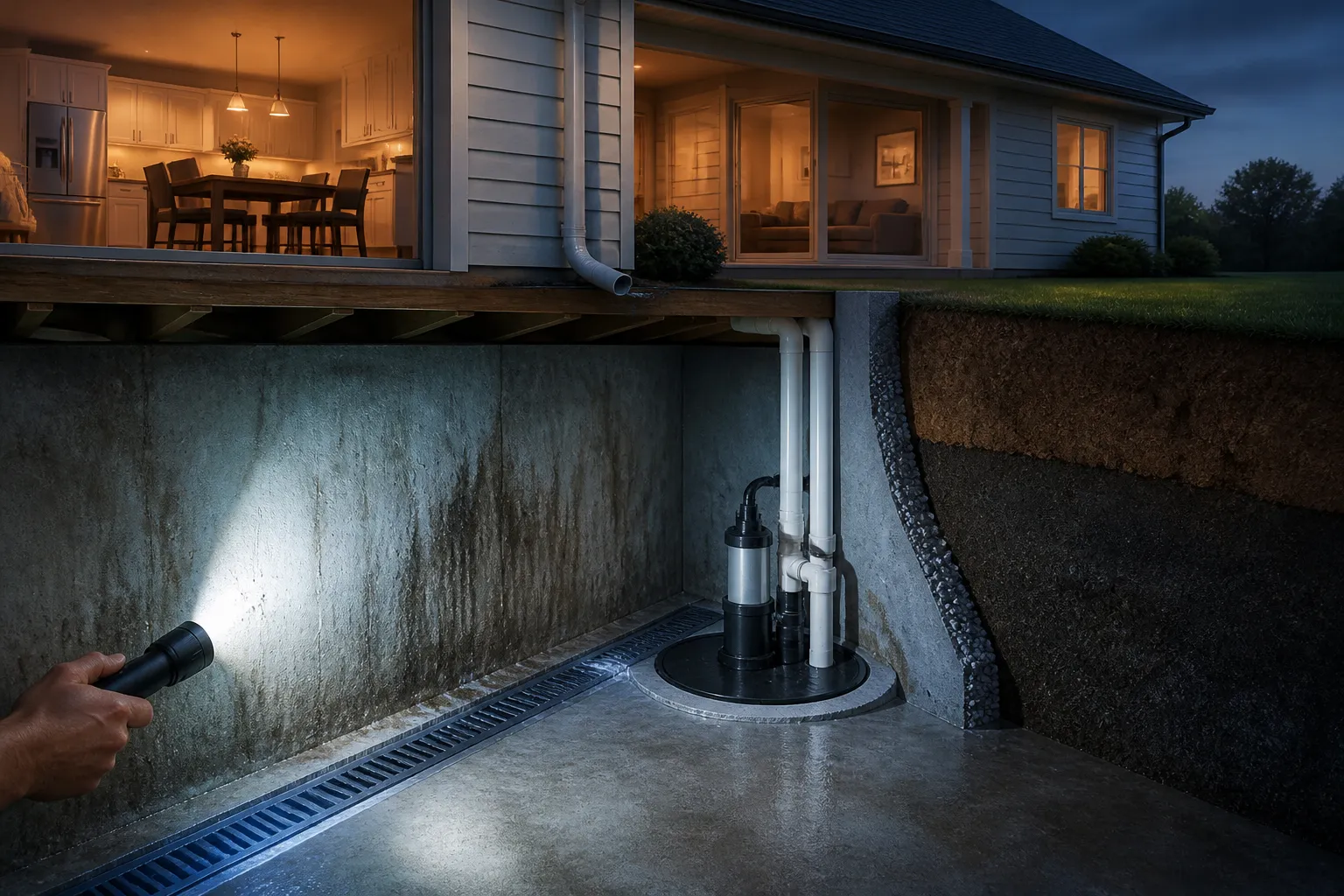
Is that damp patch on your basement wall a weekend fix or a four-figure project? Most homeowners ask that only after the water shows up, and by then the quotes feel like a pile of unrelated numbers. This guide walks through what basement waterproofing typically costs in the US, what moves the price, and what to ask before you sign. Costs vary by state and by the specific problem, so treat every figure here as a reference point and not a quote.
What basement waterproofing typically costs
Published estimates differ, which is normal for work this site-specific. One summary citing a 2024 industry source puts the typical range at about $2,300 to $7,575, with a national average near $4,920. A separate 2026 estimate runs wider, from $3,000 to $10,000, with homeowners often spending about $5,000.
Pricing is also commonly given per square foot, at roughly $3 to $10. A quick way to size up your own project:
- Measure the footprint of the basement you want treated.
- Multiply by the low and high per-square-foot figures to get a rough band.
- Adjust upward if the work is exterior, or if your area has high labor costs.
That math only gets you to a ballpark. Local labor rates, climate, and soil conditions can push your price above or below the national numbers, so confirm current local pricing before you build a budget.
What drives the price
Size is the obvious factor. Published examples show totals of roughly $1,500 to $5,000 for a 500-square-foot basement, $3,000 to $10,000 for 1,000 square feet, and about $6,000 to $20,000 for 2,000 square feet.
Interior and exterior work differ sharply. Exterior waterproofing usually costs more because it often requires excavation around the foundation, and digging adds a lot of labor. Labor is a large share of any waterproofing bill, which is why regional wages matter nearly as much as materials.
- The method chosen for your problem
- Sealant type
- Basement type and condition
- Local climate
Signs that point to a waterproofing need
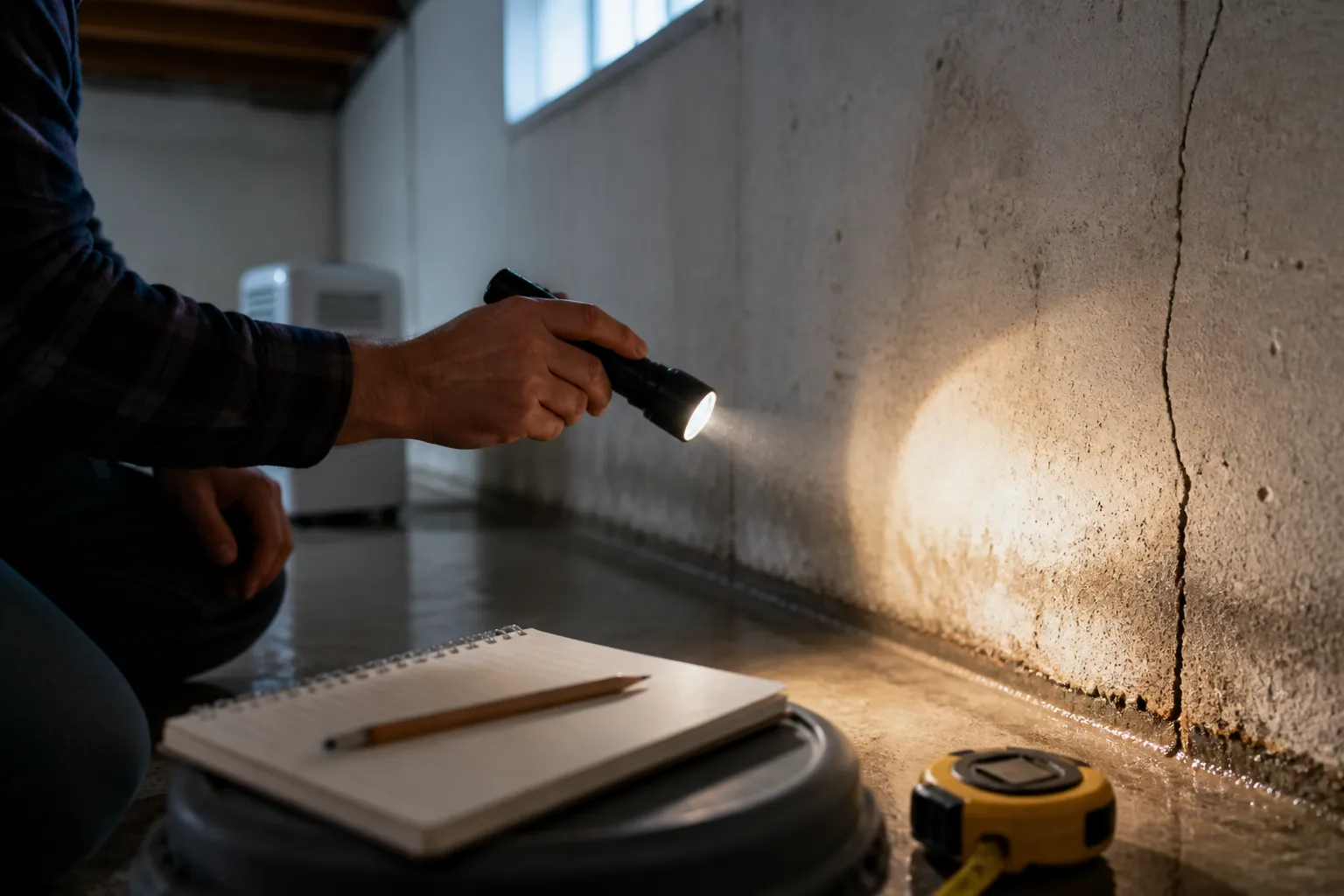
What are you actually seeing? Common warning signs include water stains on walls or floors, efflorescence (a white, powdery residue on masonry), a persistent musty odor, water pooling outside near the foundation, and rust on metal in the basement.
Left alone, moisture can contribute to mold, pests, water damage, and concrete deterioration. Some of these signs can have causes other than groundwater, so a professional assessment is the best way to confirm the source. Building science guidance adds useful context: below-grade spaces have to control water and soil gas, not just soil, and in cold climates foundations often extend below frost depth. That is part of why the right fix depends on the site.
How to choose a contractor
Waterproofing is widely described as a complex job, best handled by someone with the right tools, knowledge, and experience for your specific problem. A generic handyman pitch is a reason to slow down.
- Get written quotes from several local companies.
- Compare them on the same scope: method, interior versus exterior, sealant, excavation, and warranty terms.
- Confirm licensing, insurance, and any permits required. Rules vary, so check with your state licensing board and local building department.
One caution: the sources I reviewed do not list specific contractor warning signs. The practical red flag is a bid that cannot explain what is causing your water problem.
Questions to ask before you sign
A good conversation makes quotes far easier to compare. Bring this list:
- How is the price divided among basement size, interior or exterior work, sealant type, and labor?
- Is the work interior or exterior, and does it require excavation? How does that change cost and timing?
- Which method do you recommend for the symptoms I have, such as staining, efflorescence, odor, or rust, and what do you believe is causing them?
If a contractor cannot explain the cause in plain language, ask more questions before you commit.
Gaps to research on your own
The general sources do not cover everything. State-level pricing, the cost of specific methods such as sump systems or drainage, and the effect of local conditions are best gathered from local contractors and regional cost guides. Licensing, warranty, and permit rules also differ by location.
Whether your homeowner insurance covers water damage or waterproofing, and what financing exists, depends on your policy and lender. Read your policy and talk to your insurer or lender directly. This article is general information only, not personal medical, legal, or financial advice, so consider consulting a licensed professional for your situation.
Sources
- How Much Does Basement Waterproofing Cost? 2026 Guide
- How Much Does Basement Waterproofing Cost? (2026 Pricing)
- Basement Waterproofing: Costs and Key Considerations, Explained
- How Much Does Basement Waterproofing Cost in 2026? | Fixr.com
- Moisture in basements: causes and solutions | UMN Extension
- BSI-110: Keeping the Water Out of Basements | buildingscience.com
- https://vertexaisearch.cloud.google.com/grounding-api-redirect/AUZIYQGgR00NkqEXtAglPx7vBbTjOjS9Is3xx9aW5JEO9WWOWTsdei6vl6OMeZfoEfWEkydoKAXtRhsvH6IRdKhg-FhRSFkX1dT4b7BvK7FP1ZZdCgJTzbdezMj-SJ87CLJU78P6j9J0u7YKvuLK_lpB6AQFYmdGsw_zT2lZOqVF3ZWaQ_m9CLakjeCwqbLfJinFoDkQnNJSHw==
Still have a question?
Related guides
-

Upgrading to 200 Amps Without the Surprise Bill
Panel costs are only part of the story, so here is what a 200 amp upgrade typically runs, what can get added on, and what to ask before you sign. By Neil Ostrander
-

Tank or Tankless? How to Compare Water Heater Bids on Equal Terms
Learn how tank and tankless units differ, and which details a written plumber's quote should spell out so three bids can be compared fairly. By Renata Okafor
-

Find the Water First: A Practical Guide to Deciding on Mold Testing and Cleanup
Before anyone runs a sample or quotes a job, the moisture source and the size of the visible patch settle most of the decision.By Gideon Aldaine