Before You Call About the Attic: What to Know About Air Sealing and Insulation
Start with the problem you want solved, then compare air sealing, R-value recommendations, and written quotes before you sign anything.
 By Neil Ostrander ·
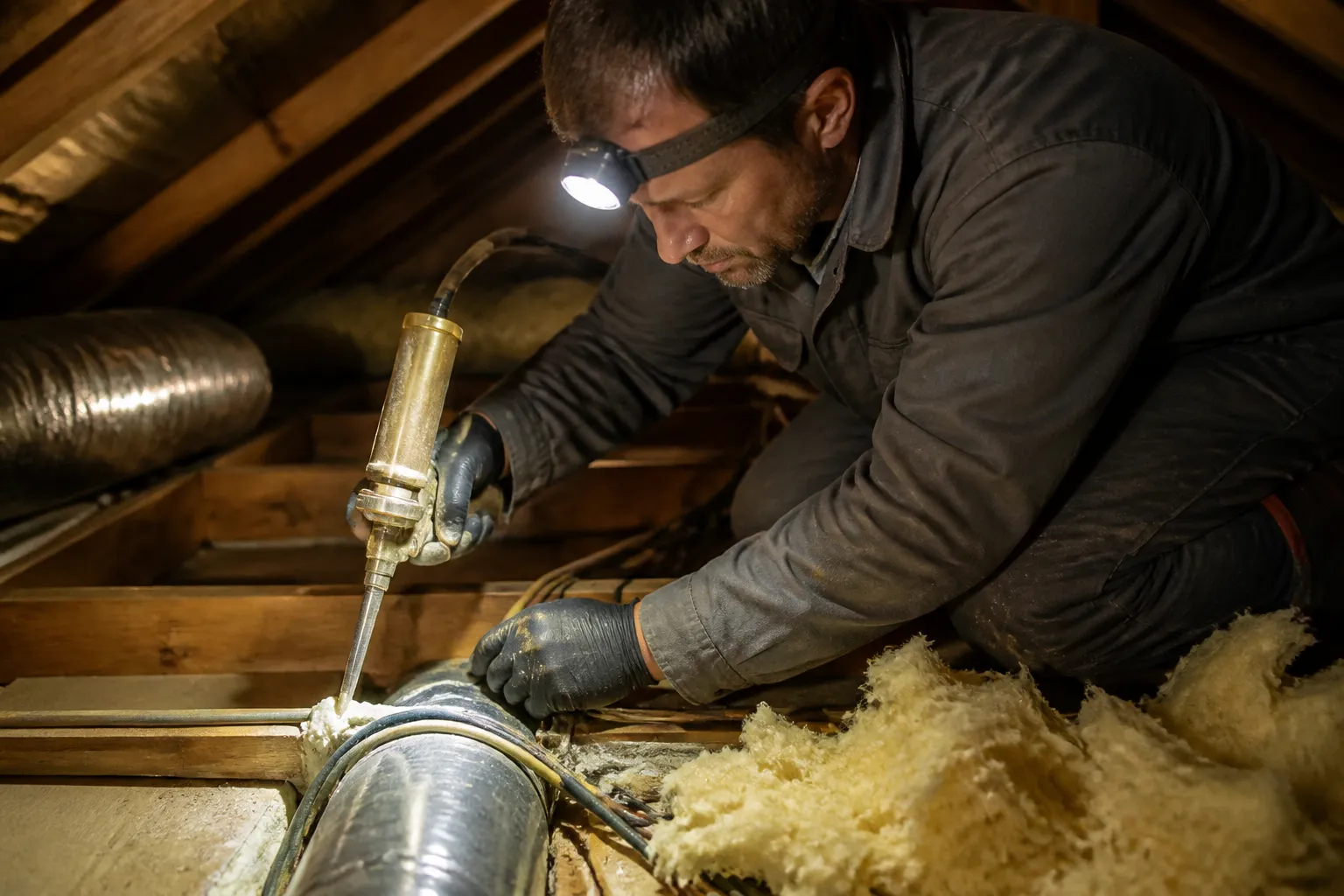
Before you call anyone about the attic, ask yourself a simple question: what do you actually want fixed? Drafty rooms, a bedroom that never gets comfortable, a heating bill that keeps climbing, ice dams along the eaves in winter. Any of these can point to the attic, and each one shapes the quote you will get. This guide walks through what the work involves, what it may cost, who should do it, and what to ask before you sign. It is general information, not personal financial or home-improvement advice, so check specifics with a licensed local professional.
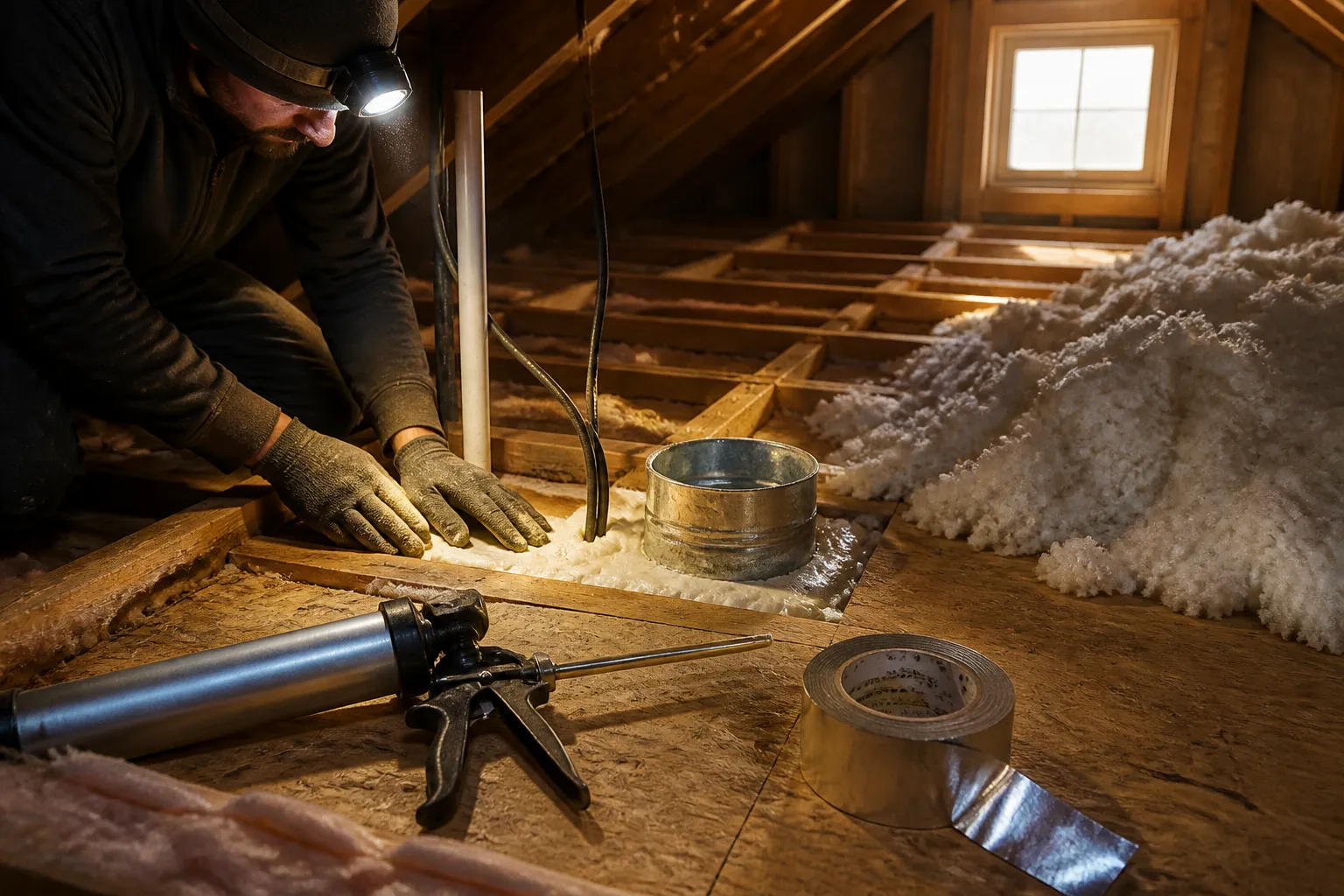
What the project involves and why it matters
Attic insulation is usually the second step, not the first. EPA recommends air sealing the attic before adding insulation, so that gaps and leaks are closed before new material goes in. Skip that step and warm or cool air can keep slipping around the insulation you just paid for.
Common signs your attic may need attention:
- Drafty rooms
- Ceilings or rooms that feel hot or cold
- Uneven temperatures from room to room
- High heating or cooling bills
- Ice dams in winter
EPA estimates that homeowners can save an average of 15% on heating and cooling costs, or about 11% on total energy costs, by air sealing and adding attic, floor-over-crawlspace and basement insulation. Those are averages. Your home and climate will decide your own result. Insulation is rated by R-value, a measure of resistance to heat flow. A higher number means better thermal performance.
What it costs, and what the sources do not say
Here is the honest answer on price: the sources behind this guide do not give installed dollar ranges for attic insulation or air sealing. Costs vary by state, by attic size, by how much old material must come out, and by the R-value you choose. Rather than trust a single national figure, collect local written quotes and compare them line by line.
Ask each bidder to break out:
- Air sealing, as its own line
- Insulation material and the R-value being installed
- Labor
- Removal of old material, if needed
One thing the sources do mention is money coming back. A federal tax credit of up to $1,200 is listed for insulating an attic. The material does not explain eligibility, deadlines or how to claim it, so check the official Department of Energy tax credit pages and talk with a tax professional before counting on it. Local rebates may also exist. The Department of Energy savings page points to a zip-code finder, and a contractor may help you spot programs that apply.
Choosing the right insulation level for your climate
More is not always better, and less is a problem. ENERGY STAR publishes recommended attic-floor R-values by climate zone for retrofitting wood-framed buildings. For example, Zones 4C, 5 and 6 list R60, R49 or R30 depending on the column, and Zones 7 and 8 list R60, R49 or R38. The column headings are partly cut off in the source I reviewed, so open the official ENERGY STAR R-value page and confirm which column fits your attic.
Then use it as a check on every bid. If a contractor proposes less than your zone's recommendation, ask why, and ask for the reasoning in writing. There may be a good reason, such as limited space near the eaves. You should still hear it before you pay.
Deciding between doing it yourself and hiring help
ENERGY STAR rates attic insulation as a moderately difficult do-it-yourself project and its air sealing project as challenging. It also notes that many qualified contractors can do the work if you are not comfortable with it. Attics mean tight spaces, heat, dust and joists you must not step between, so be honest about your comfort level.
A short decision list:
- Handy, patient and comfortable in tight spaces? DIY may fit, starting with the ENERGY STAR project pages and the Rule Your Attic! series, which also includes tips on hiring.
- Unsure about air sealing around wiring, vents and chimneys? Hire help for that part at least.
- Planning a larger, whole-home retrofit? The Building Performance Institute notes that deep energy retrofits need close coordination among several contractors, and a project manager with whole-building training may help scope the work, support the choice of installers, verify completion and help with rebates and financing.
Either way, confirm that air sealing comes before insulation and that the finished work is checked against the recommended R-value.
Questions to ask before you sign
Bring this list to every estimate visit, and write down the answers so you can compare them later.
- Will the attic be air sealed before insulation is added, as EPA recommends?
- Does the proposed insulation level match the recommended R-value for my climate zone?
- Can you help me identify rebates, incentives or tax credits that may apply?
- Do you hold a recognized credential, such as those the Building Performance Institute lists for installers and analysts?
The sources do not cover how to verify licensing or insurance, how to compare written estimates, contract terms, warranties, payment schedules or where to file a complaint. Your state and local licensing authority is the place to start for those. A bid that skips air sealing, refuses to name an R-value, or pressures you to sign on the spot deserves a pause. Get a second quote, and take your time.
Sources
- Attic Insulation Project | ENERGY STAR
- Attic Air Sealing Project | ENERGY STAR
- Rule Your Attic! For Comfort and Savings | ENERGY STAR
- Recommended Home Insulation R–Values | ENERGY STAR
- Tax Credits, Rebates, Savings | Department of Energy
- Blog
- Blog
- https://vertexaisearch.cloud.google.com/grounding-api-redirect/AUZIYQGfX_yd90XDazf9ZRSoupHSXraj4RG1ShDQxrP8ZSqJK_AFEl-tuMTCKPMIcegx-8u3OAJD7tdC9jk0W7-sIIQMa0-yuXvnNdV4ESWysPyyvxVyFTxM-e7ht0mVZSvKQ-mYN35vkshURskOUcQmJxqdDtWnjiFxqLzIk34=
Still have a question?
Related guides
-

Upgrading to 200 Amps Without the Surprise Bill
Panel costs are only part of the story, so here is what a 200 amp upgrade typically runs, what can get added on, and what to ask before you sign.By Neil Ostrander
-

Tank or Tankless? How to Compare Water Heater Bids on Equal Terms
Learn how tank and tankless units differ, and which details a written plumber's quote should spell out so three bids can be compared fairly. By Renata Okafor
-

Find the Water First: A Practical Guide to Deciding on Mold Testing and Cleanup
Before anyone runs a sample or quotes a job, the moisture source and the size of the visible patch settle most of the decision. By Gideon Aldaine