Before You Sign a PACE Loan: What It Really Means for Your Property Taxes
PACE financing can fund a roof or solar panels with no money down, but its repayment runs through your property tax bill, so you need to know what you are agreeing to.
 By Renata Okafor ·
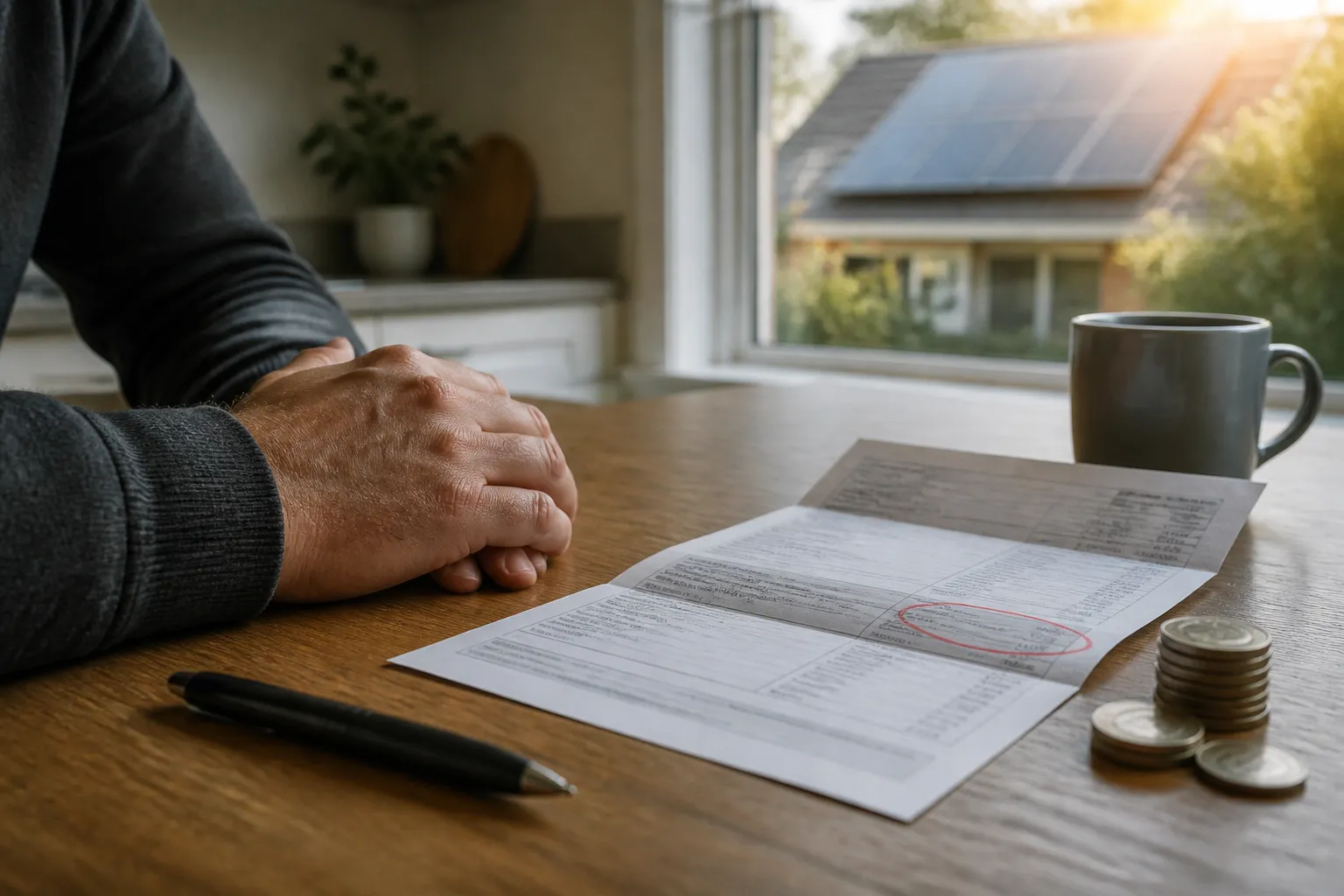
Did a stranger at your door just offer to pay for a new roof or solar panels with no money down? Before you say yes, it helps to know what you would actually be signing. PACE financing is a real program in some places, but it works differently from an ordinary loan, and the differences show up on your property tax bill. This guide is general information only, not personal financial or legal advice, so a licensed professional is worth consulting for your own situation.
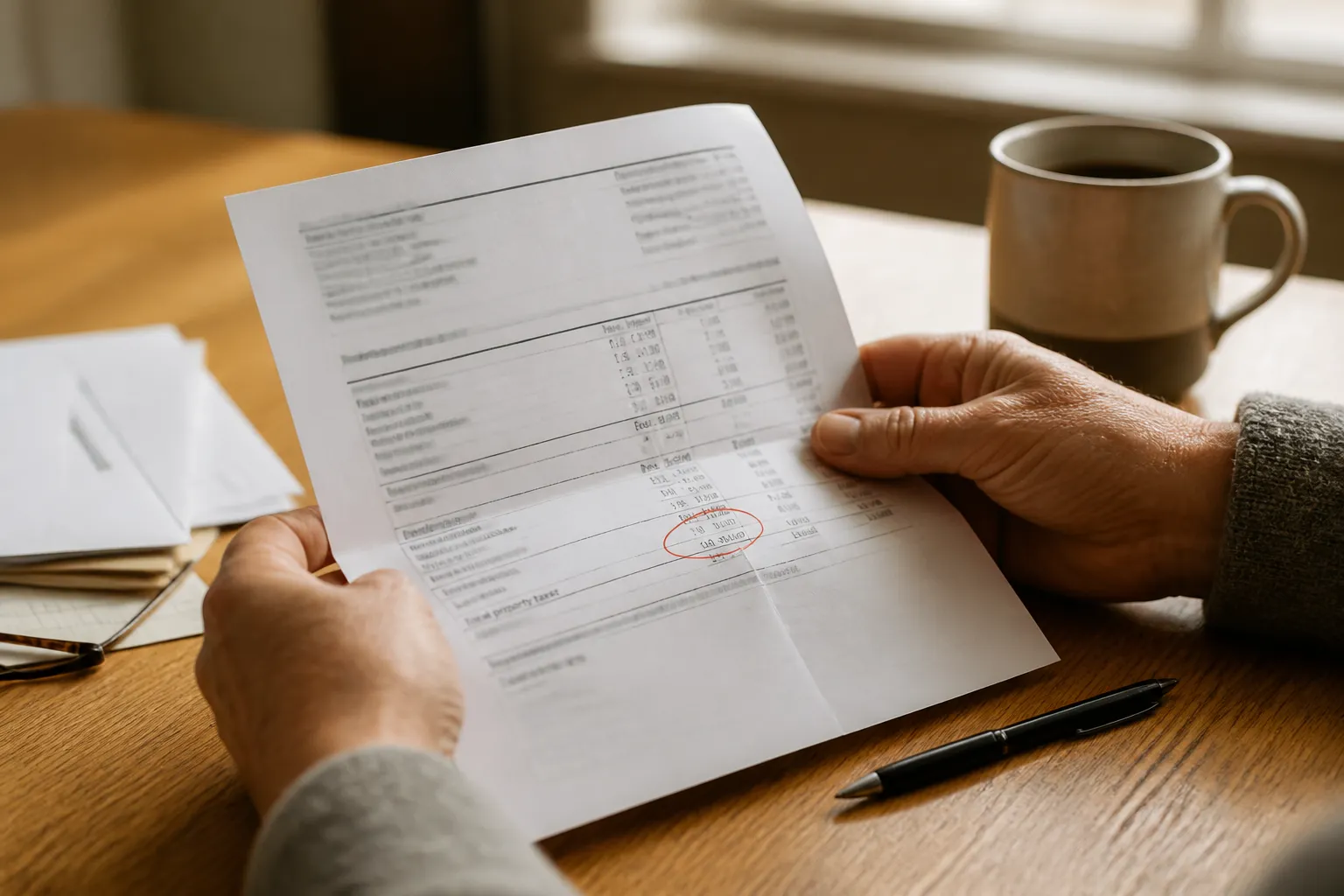
What PACE financing is
PACE stands for Property Assessed Clean Energy. The Consumer Financial Protection Bureau (CFPB) describes it as financing that results in a tax assessment on your real property. In plain terms, you pay for the upgrade through an extra charge added to your property taxes.
Some states approve these programs. A local government runs them, or hires a private company to do so. The U.S. government does not pay for or insure the loans. The program may also go by other names, and many people first hear about it from a door-to-door salesperson or a local contractor, not from a bank or a government office.
How the repayment works
You repay the principal, interest and fees through that additional assessment, collected along with your regular property taxes. Instead of a monthly loan bill, you usually see a yearly line on the tax statement. Terms commonly run five, 10 or 20 years, and a longer or shorter term changes the size of each payment.
If you have a mortgage, your mortgage company typically treats the PACE payment like property taxes. That means it may be folded into your monthly mortgage payment, which can make it easy to overlook. Ask your servicer how it will be handled.
The part to take seriously: the assessment works like a property tax lien. If you do not pay, you could lose the home, including through a tax sale.
What it costs, and what we could not confirm
PACE loans may require no down payment. That does not make the project free. You pay fees and interest over time, like any other loan, and for some homeowners the yearly increase on the tax bill can be large.
The official sources reviewed for this piece do not give typical dollar amounts, interest rates or fee levels. Costs vary by state, by program and by your situation. So get the numbers in writing:
- Every fee, itemized.
- Total interest over the full term.
- The expected yearly increase in your property tax bill.
Energy savings are sometimes offered as the way the loan pays for itself. The sources provide no data on what a given upgrade will save, so treat any savings estimate as something to verify, not a promise.
New federal rules for PACE lending
The CFPB issued a final rule under Regulation Z on December 17, 2024. It was published January 10, 2025, and takes effect March 1, 2026, so it is close at hand as of this writing. The rule carries out a federal law requiring ability-to-repay standards for PACE financing.
Under it, PACE borrowers receive standard mortgage-style disclosures, which makes it easier to compare PACE with other financing. Lenders must also make sure you are not set up with a loan you cannot reasonably afford. Truth in Lending Act civil liability provisions apply to violations. The sources do not explain how the affordability test works in practice, so ask any program to explain in writing how it judges it.
How to choose and what to ask
Start by shopping around. Other ways to finance upgrades may exist, such as a home equity loan or a personal loan, and it is worth weighing the costs and benefits of each before signing. Then work through this checklist:
- Who runs the program: the local government or a private company hired by it?
- Does my state approve the program?
- What is the repayment term: five, 10 or 20 years?
- What total fees and interest will I pay?
- How much will my annual property tax bill rise?
- How will my mortgage company treat the payment?
Get every answer in writing before you sign. The sources also leave gaps on how PACE affects selling or refinancing and how to cancel a contract, so ask about both.
Red flags to watch for
Be cautious when a door-to-door salesperson or contractor pushes a PACE loan for a repair or energy upgrade. Pressure to decide quickly is a warning sign. A legitimate offer leaves you time to compare.
The CFPB says its rule is meant to stop promises of energy savings used to sell loans that homeowners cannot afford. If a seller leans on savings claims instead of a clear, affordable payment plan, pause and check the numbers yourself. The Federal Trade Commission also warns that solar and clean energy pitches can be scams. Read the full terms, verify the company's details, and take your time. You can read more from the CFPB's guidance on what to keep in mind before signing and the FTC's advice on solar and clean energy scams.
Please seek a professional. This article is general information, not financial, tax or insurance advice. Please seek a licensed financial, tax or insurance professional about your own situation.
Sources
- Residential Property Assessed Clean Energy Financing (Regulation Z) | Consumer Financial Protection Bureau
- The CFPB Crosses the Finish Line to Regulate Property Assessed Clean Energy Financing | Insights | Mayer Brown
- What is a PACE loan? | Consumer Financial Protection Bureau
- I am considering a PACE loan for home improvements. What should I keep in mind before signing up? | Consumer Financial Protection Bureau
- How to avoid getting burned by solar or clean energy scams | Consumer Advice
- CFPB Finalizes Rule to Protect Homeowners on Solar Panel Loans and Other Home Improvement Loans Paid Back Through Property Taxes | Consumer Financial Protection Bureau
- Don’t waste your energy on a solar scam | Federal Trade Commission
- Property Assessed Clean Energy Loans | Fannie Mae
Still have a question?
Related guides
-

Upgrading to 200 Amps Without the Surprise Bill
Panel costs are only part of the story, so here is what a 200 amp upgrade typically runs, what can get added on, and what to ask before you sign. By Neil Ostrander
-

Tank or Tankless? How to Compare Water Heater Bids on Equal Terms
Learn how tank and tankless units differ, and which details a written plumber's quote should spell out so three bids can be compared fairly.By Renata Okafor
-

Find the Water First: A Practical Guide to Deciding on Mold Testing and Cleanup
Before anyone runs a sample or quotes a job, the moisture source and the size of the visible patch settle most of the decision. By Gideon Aldaine