Do You Need a Private Inspector on Top of the Code Inspections?
Code and lender inspections already cover a lot, but a private inspector hired by you can catch workmanship problems at the stages when they are still cheap to fix.
 By Renata Okafor ·
Your city already sends inspectors to your job site, and your lender may send one too. So do you really need to pay someone else to look at the work? For many remodels and new builds, the honest answer is: maybe, and the timing matters more than the decision itself. This guide walks through what each kind of inspection covers, when a private inspector earns their fee, and how to hire one with some care.
A private inspector works for you, not for the permit office and not for the builder.
What a private inspector does that code inspections do not
Building code inspections and home inspections are two different categories. Code inspections apply to new construction and remodels, and they set minimum safety standards. The person who shows up is usually sent by the local building official, often called the authority having jurisdiction. Their focus is life safety and basic structural concerns. They are not there to grade the overall quality of the work.
More complex structural elements generally need special inspections on top of the routine local visits. If you are not sure whether your project triggers any, ask two people:
- Your builder, who should know what the plans call for.
- The local permit office, which can tell you which inspections apply to your type of work.
A private inspector fills the gap. Because they are hired by you, the report reflects your interests and can cover workmanship questions that a code check may not reach.
When the inspection is most useful
On a new custom build, several parties already look at the work. City or county inspectors visit at code stages, starting at the foundation and continuing through framing, mechanical, insulation and drywall. On a financed build, the bank sends someone before each payment draw to confirm that billed work exists. The builder also keeps a punch list. Each of these has a purpose, but none of them is built to represent you on quality.
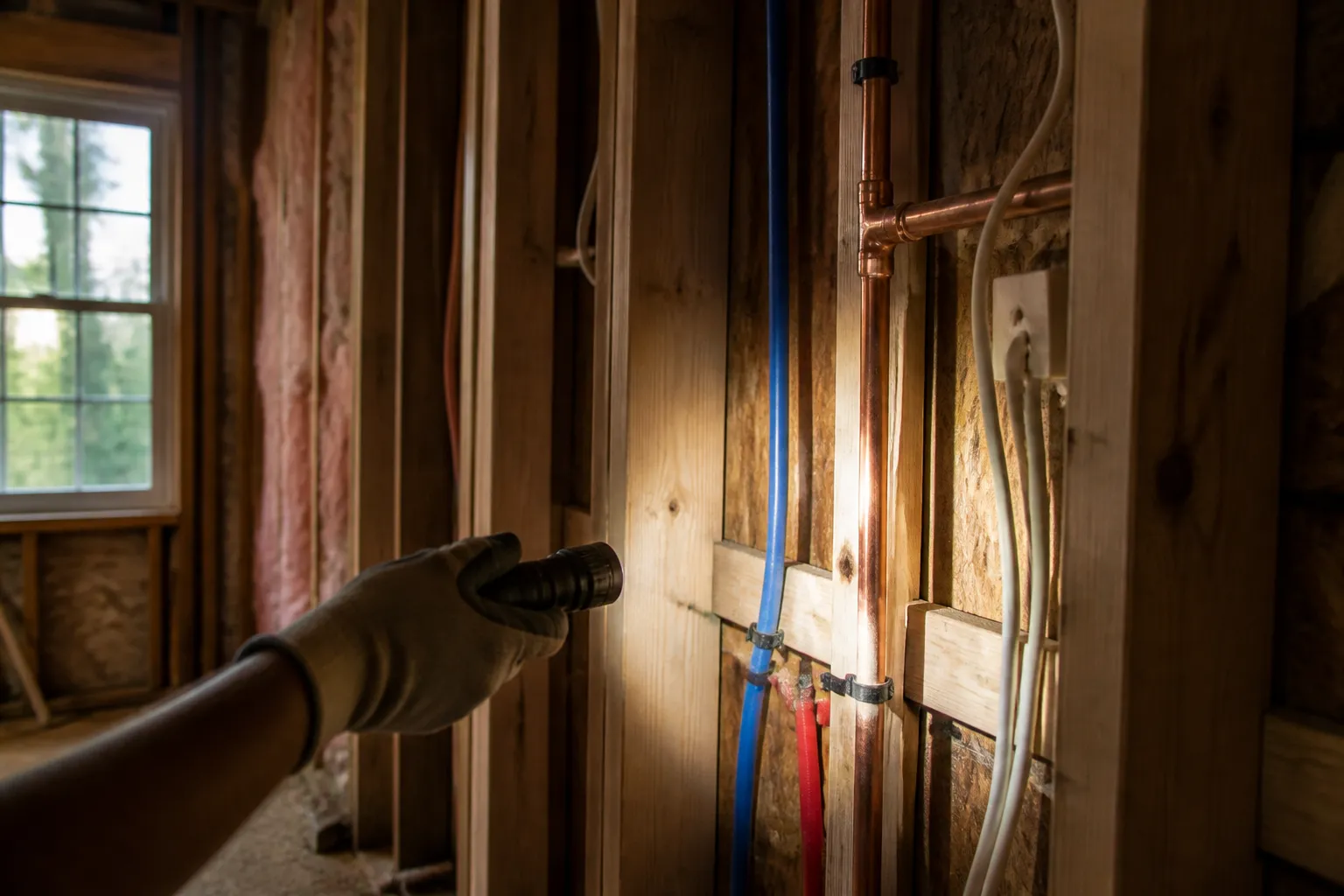
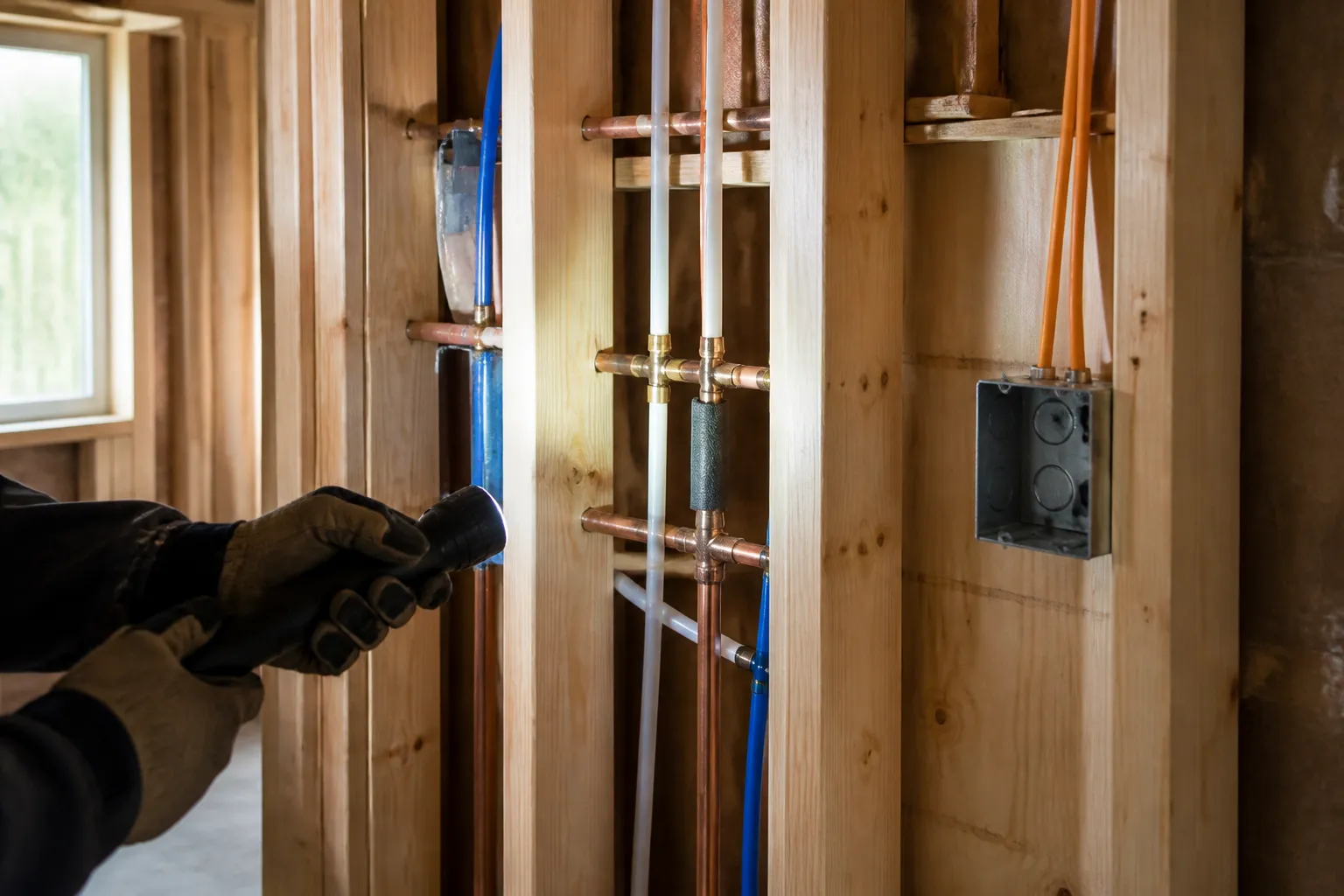
The best moment for a private visit is at framing and again before drywall closes the walls. At that point structural connections, plumbing and electrical rough-in, and insulation can still be seen. After the walls are closed, a problem means opening finished surfaces.
Value tends to rise when the project is tight. Competitive pricing, a crowded schedule, or a thinly staffed crew can lead to shortcuts. Buyers of new homes also often lack the experience to judge process quality, and they may trust a builder who is mostly watching the calendar. If that sounds like your job, an outside set of eyes is worth considering.
Costs and how the process works
Here is the awkward part: the sources I reviewed give no dollar figures for private inspections. One says the cost is modest compared with a custom home budget. Prices vary by state, region, home size and how many visits you want, so get written quotes from several inspectors and compare what each one includes.
A simple way to run the process:
- Ask the permit office and your builder which code and special inspections are already planned.
- Pick the stages you want covered, such as framing and pre-drywall.
- Tell your builder the dates you plan to bring someone in, and ask for access.
- Collect the written report and share it with the builder promptly.
- Use the findings, along with your own notes, at the final walkthrough.
On a bank-financed build, draws often run on a 30-day cycle, with payment typically released three to four days after the bank's inspection. Your private inspection is separate from that review. A professional list prepared by your inspector can sit alongside your own observations at the walkthrough. Fixes found at drywall stage are far cheaper than fixes found after finishes.
Remodels of existing homes are not covered in depth by the sources, so ask your local permit office how inspections are scheduled for your kind of work.
How to choose and verify an inspector
Start with licensing. One inspector's website says the National Home Inspector Examination is required for licensing in 32 states, but rules change, so confirm with your state's licensing board. Then look at credentials. Professional bodies such as the American Society of Home Inspectors offer certification and publish a standard of practice. Some inspectors also cite InterNACHI or ASHI membership. A certification is a useful signal of training, not a promise of quality, so verify it with the issuing body.
Questions to put to each candidate:
- Which license and certifications do you hold, and how can I check them?
- Do you carry insurance?
- How much experience do you have with new construction or remodels like mine?
- Can I see a sample report?
- What exactly does your quote include, and what does it leave out?
The sources do not cover how to check insurance or experience, so treat these as questions to ask and confirm in writing.
Red flags and protecting yourself
A builder who resists independent inspection may be signaling a problem. A reasonable builder expects it and allows access at the stages you choose. Be cautious if a contractor pressures you to skip inspections, delays access, or changes the agreed schedule without explanation.
Before you sign any contract, read the Federal Trade Commission's guidance on avoiding home improvement scams. The copy I reviewed was incomplete, so the full article is worth your time.
This guide is general information only, not legal, financial or construction advice. For your own project, talk with your permit office, your lender and a licensed professional.
Sources
- Jurisdictional Inspections Versus Special Inspections - Froehling & Robertson
- Should You Hire Your Own Inspector for a New Custom Home?
- Kansas City New Construction Inspections
- Home Inspection Albuquerque-Santa Fe Services By A-Pro®
- The Power of Building Code Inspections and Home Inspections in Safeguarding Your Home, Part 1 - ICC
- Home - American Society of Home Inspectors, Inc.
- Best Home Inspection in Huntsville & Madison
- How To Avoid a Home Improvement Scam | Consumer Advice
Still have a question?
Related guides
-

Upgrading to 200 Amps Without the Surprise Bill
Panel costs are only part of the story, so here is what a 200 amp upgrade typically runs, what can get added on, and what to ask before you sign. By Neil Ostrander
-

Tank or Tankless? How to Compare Water Heater Bids on Equal Terms
Learn how tank and tankless units differ, and which details a written plumber's quote should spell out so three bids can be compared fairly.By Renata Okafor
-

Find the Water First: A Practical Guide to Deciding on Mold Testing and Cleanup
Before anyone runs a sample or quotes a job, the moisture source and the size of the visible patch settle most of the decision. By Gideon Aldaine