Duct Cleaning vs. Replacement: What You Should Expect to Pay
Cleaning, sealing and replacement are priced very differently, so start by confirming exactly which job a quote covers.
 By Renata Okafor ·
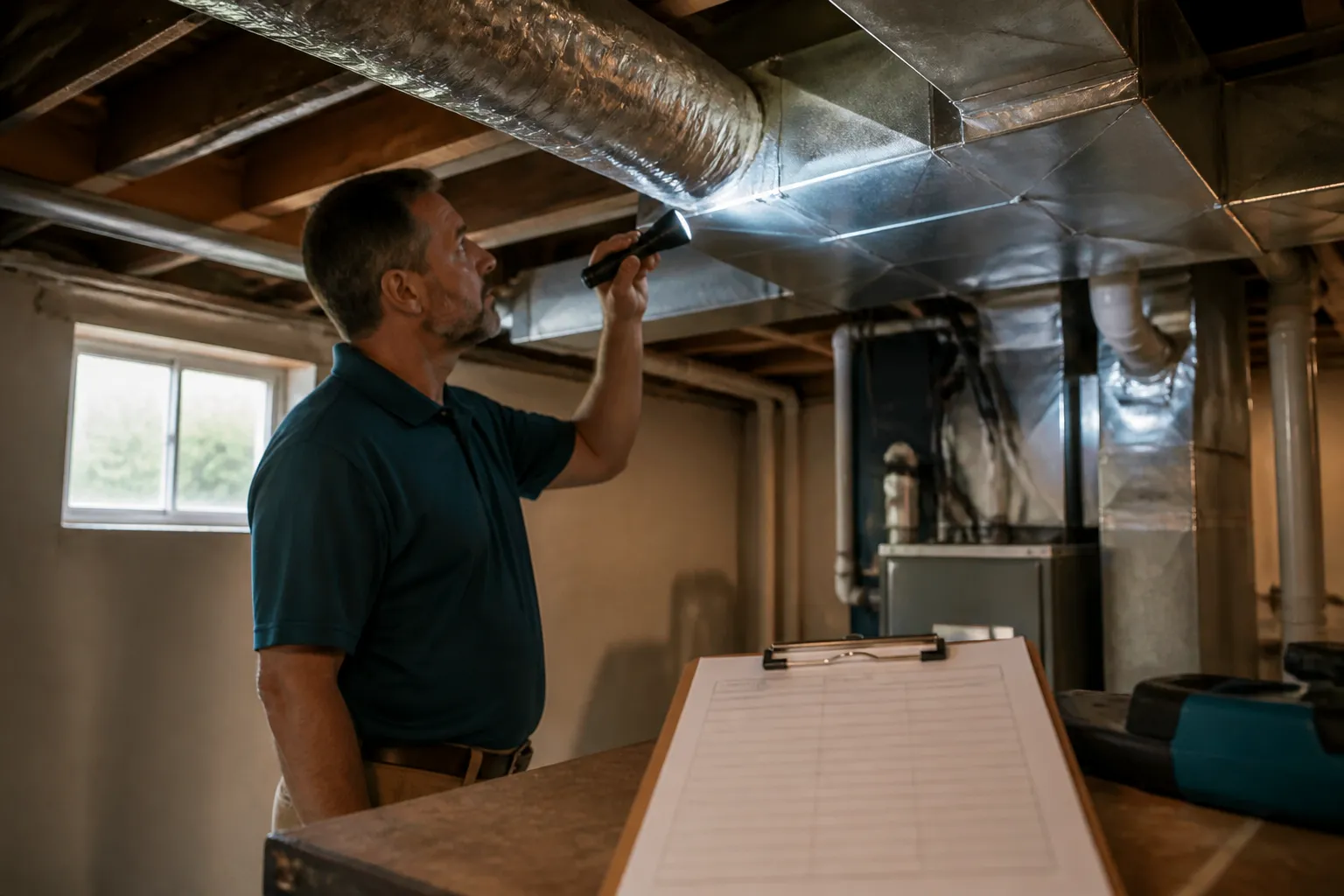
Are you comparing a $350 duct cleaning offer with a $6,000 replacement quote and wondering why they feel like they belong to different planets? They do. Cleaning, sealing and replacement are three separate jobs with three separate price ranges, and the first step is knowing which one a quote actually covers. This guide walks through typical US costs, what moves the price, and what to ask before you say yes. It is general information only, not personal advice, so check specifics with a licensed HVAC professional.
Cleaning, sealing and replacement are different services
Cleaning removes dust and debris from the ductwork you already have. Replacement installs new ducts. Sealing closes leaks at joints and connections, and it sits between the two in cost. Before you compare any numbers, write down which of the three each quote describes.
It also helps to know that the U.S. EPA says duct cleaning has never been shown to prevent health problems, and it does not give a blanket yes-or-no on whether a home needs it. EPA adds that a light amount of household dust in ducts has not been shown to pose a health risk, and that ducts are only one of many sources of particles in a home. You can read the agency's full guidance on its duct cleaning page. In practical terms, start from the real condition of your system, not from the assumption that every home needs cleaning on a schedule.
Typical cleaning costs
For an average-sized home, professional cleaning is often quoted between about $450 and $1,000. A broader range of roughly $300 to $1,000 is also cited for an average single-family home, with a median near $450 to $550 for a system with 10 to 20 supply and return vents.
Pricing models differ, and that is where confusion starts. Here is what you may see:
- Per vent: often about $25 to $50 each.
- Flat rate by square footage: homes under 2,000 square feet are sometimes quoted around $300 to $500.
Per-vent pricing can look cheap for a small home and climb fast in a larger one, so ask how many vents the quote assumes. Costs also vary by state and local labor rates. Treat these figures as rough benchmarks and gather several local quotes.
Replacement and sealing costs
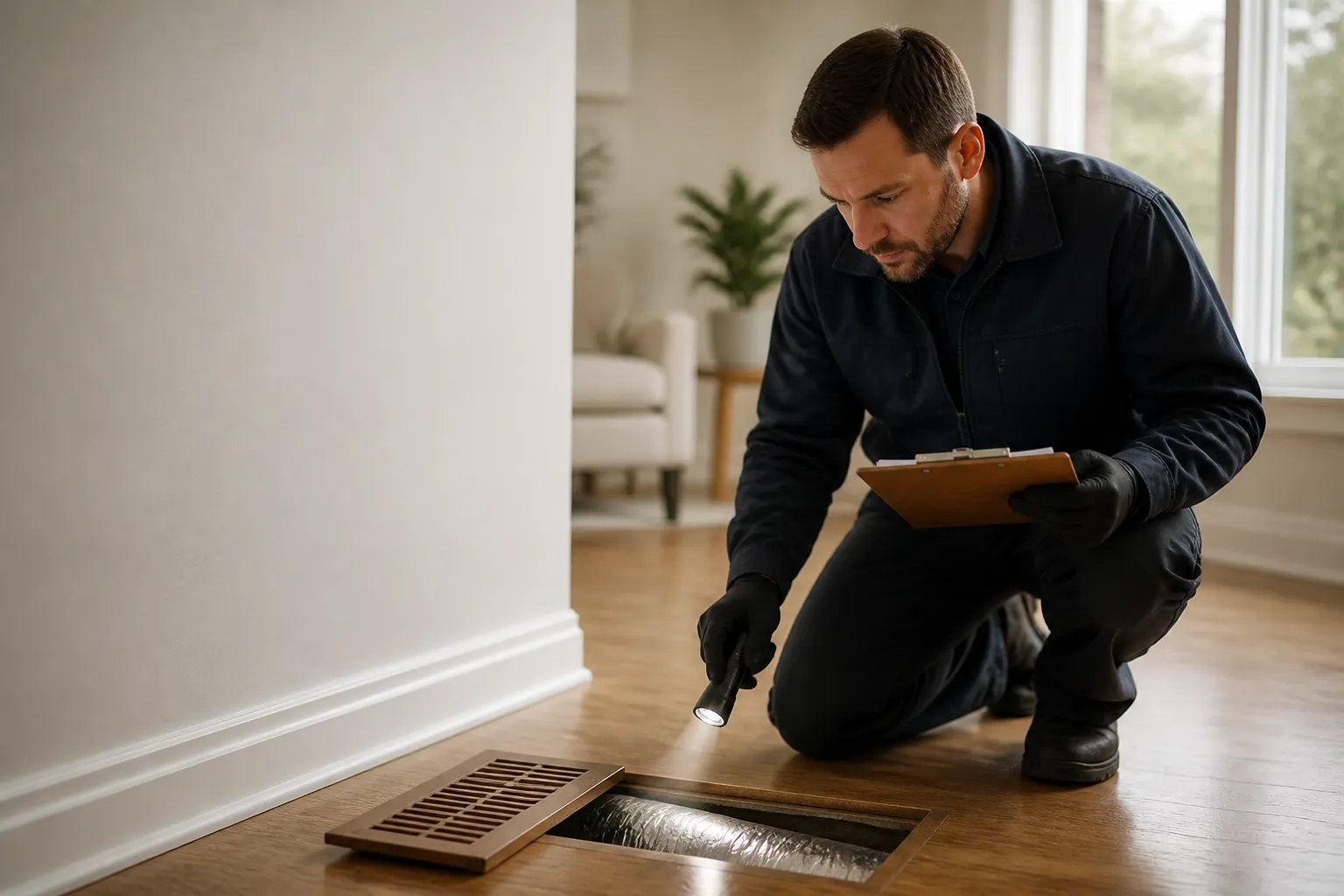
Full residential duct replacement is commonly cited at about $1,400 to $12,000. That is a huge spread, and it reflects home size, duct material and how hard the ducts are to reach. For a typical single-story home of about 2,000 square feet with accessible attic ducts, one source gives roughly $4,000 to $8,000 installed.
Sealing is cited at about $500 to $1,500. It may be enough when the system is under about 15 years old and has only minor leaks at joints and connections. If a contractor proposes replacement, ask whether sealing would do the job given the age of the system and where the leaks are.
Material matters too. Sheet metal ducts are often described as lasting 25 to 30 years or more. Flexible duct costs less upfront but may last 10 to 20 years and is more prone to sagging and kinking. Most replacement figures come from a limited set of contractor surveys and industry content, so treat them as indicative and get an itemized written estimate for your own house.
What drives the price and how to compare quotes
Cleaning prices depend on several things at once:
- Type of ductwork and size of the system
- Number of systems and square footage
- Accessibility and level of contamination
- Local labor and the number of technicians needed
- Building conditions that affect access
Industry standards from the National Air Duct Cleaners Association (NADCA), including its ACR Standard, define a full-scope cleaning of the whole system. A basic job that only cleans accessible register areas is priced differently, so two quotes may not describe the same work. For replacement, the drivers are materials, labor, home size, accessibility, and whether the old ducts are sealed or the system is rebuilt from scratch.
When you line up quotes, check that each states the same scope, materials and warranty terms. A reputable professional should inspect the system and explain what is included before work starts, and should be able to give a general time estimate in the first conversation. NADCA's cost and time estimates page is a useful reference, and the group offers an online directory for finding certified cleaners by ZIP code.
Questions to ask and red flags to watch for
Keep this short list on your phone when the estimator arrives:
- Does the quote cover the full system, including the air handler, blower fans, coils, registers and access openings?
- Is the price stated clearly for the full scope of work?
- How long should the job take, and how many technicians will come?
- Is the work certified by NADCA or another recognized body?
- For replacement, would sealing the existing ducts be enough?
Now the warning signs. Be cautious of very low "whole house" specials that clean only part of the system, offers that leave out the air handler, blower fans, coils or access openings, and any crew that starts work before anyone explains what is included. Each can mean the final bill or the result differs from what you expected.
One more note. The sources I reviewed did not cover financing, permits or government incentives for duct work, and commercial pricing is not detailed. Ask your local building department and utility about permits and programs, and confirm any energy-efficiency claims with the Department of Energy or ENERGY STAR before relying on them. A licensed professional can advise on your specific home.
Sources
- Should You Have the Air Ducts in Your Home Cleaned? | US EPA
- https://vertexaisearch.cloud.google.com/grounding-api-redirect/AUZIYQHxJg-aimBNqOK_yitncWobdYNm47VYPqPdFSgfoq7WdUL86eV6iXcpjSNvjSa-NJg8z403OQpv1XEATqvJ426x5AiRV5Z67qN7L-9xYnkV6x1MRHW-2VamVAvY4r-qNWpCsK9vYDytJUKV8PXjNXzacbe5Rqm3simoYoVI
- EPA’s Updated Duct Cleaning Guidance: What Duct Cleaning Pros Should Know (and Use) | Rotobrush
- Duct Replacement Cost in 2026: What Homeowners Actually Pay
- Home Upgrades | Department of Energy
- Energy-Efficient Home Improvement Credit Insulation and Air-Sealing Essentials | Department of Energy
- Cost & Time Estimates | Breathing Clean by NADCA
- Duct Cleaning Cost Guide: Pricing Factors and National Averages
Still have a question?
Related guides
-

Upgrading to 200 Amps Without the Surprise Bill
Panel costs are only part of the story, so here is what a 200 amp upgrade typically runs, what can get added on, and what to ask before you sign. By Neil Ostrander
-

Tank or Tankless? How to Compare Water Heater Bids on Equal Terms
Learn how tank and tankless units differ, and which details a written plumber's quote should spell out so three bids can be compared fairly.By Renata Okafor
-

Find the Water First: A Practical Guide to Deciding on Mold Testing and Cleanup
Before anyone runs a sample or quotes a job, the moisture source and the size of the visible patch settle most of the decision. By Gideon Aldaine