How Much Does a Water Heater Replacement Cost? A Practical Guide
Typical national prices, the factors that push a quote up or down, and the questions to ask an installer before you sign anything.
 By Gideon Aldaine ·
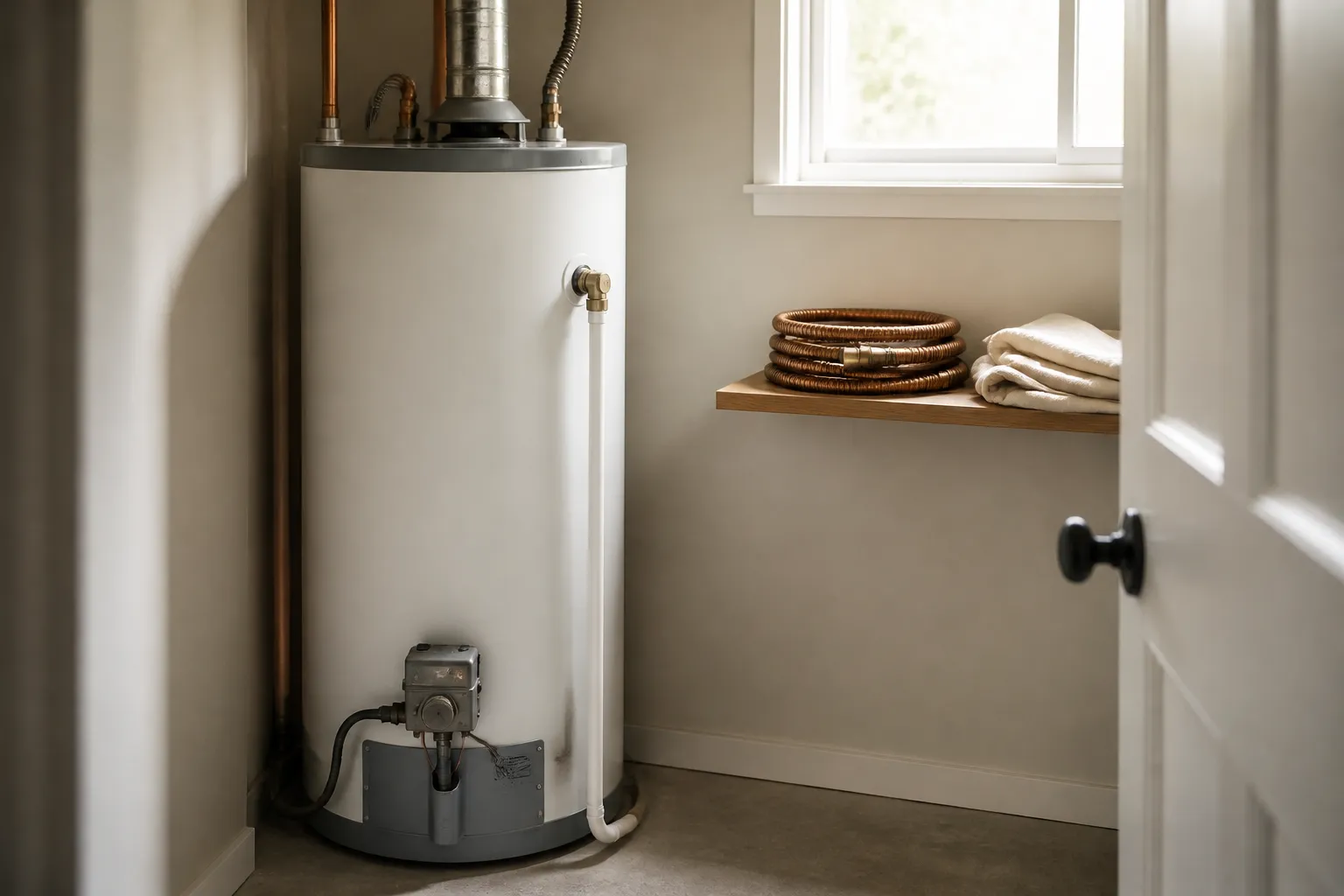
Is your water heater leaking, running lukewarm, or just old enough that you are wondering what a replacement will run? Prices swing quite a bit, so it helps to know the typical range, what pushes the number up, and which questions to ask before anyone touches a wrench. This is general information, not personal financial or home-repair advice, and a licensed professional in your area can give you a real quote.
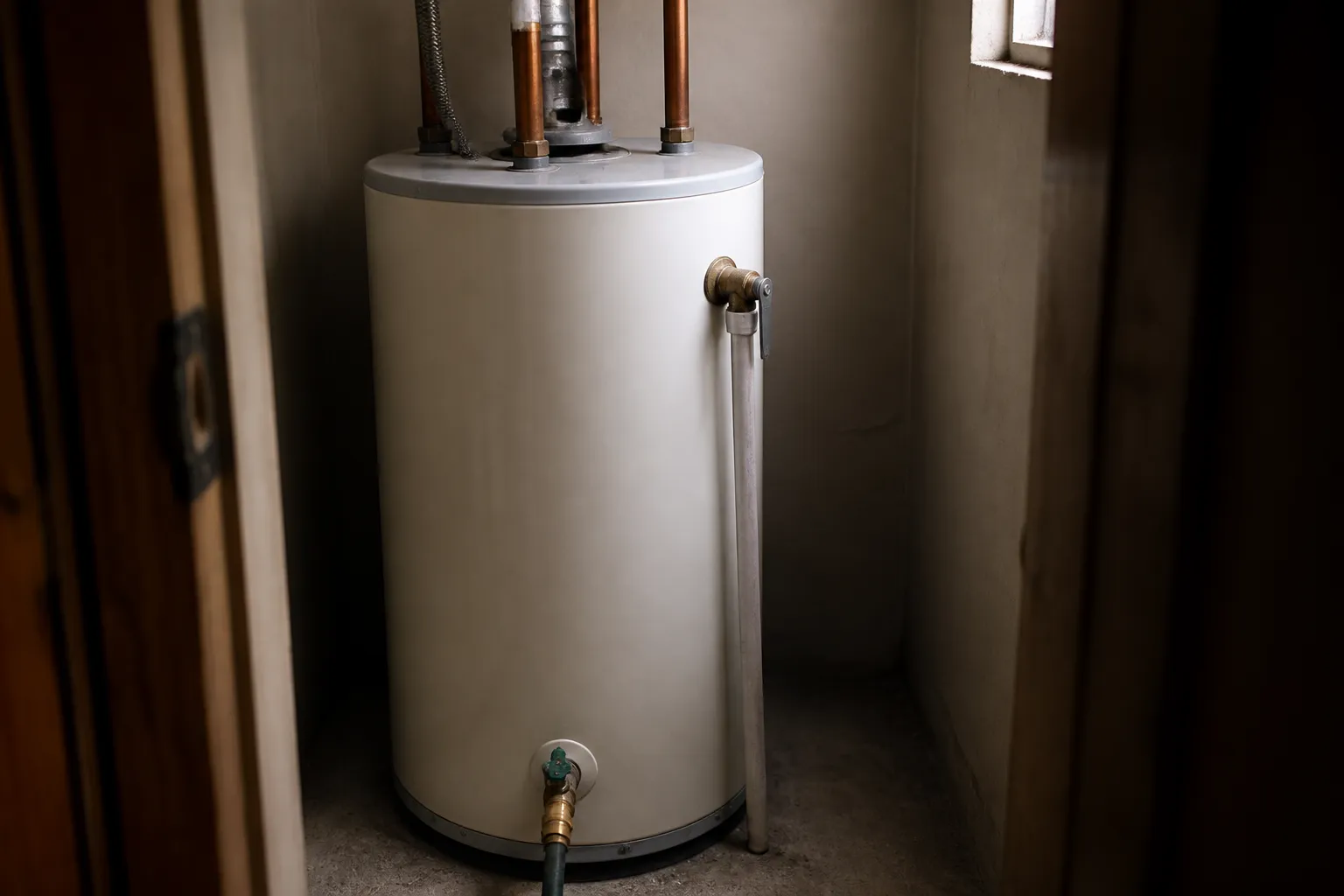
What a typical replacement costs
For a standard tank unit, one Bob Vila guide citing Angi and HomeAdvisor reports a typical range of about $874 to $1,765, with a national average near $1,293. A contractor blog puts it at roughly $882 to $1,826. The two sources land close together, which is reassuring, but both are national figures. Costs vary by state, metro area, and local labor rates, and the sources do not quantify that difference.
Tankless installs usually cost more, because the unit is pricier and the job can involve venting and gas or electrical changes. Heat pump models also cost more to buy than a standard electric tank. The sources do not break out those installed prices in detail, so treat the tank range as a starting point and ask for itemized quotes.
What drives the price
Several things move the bill. Here is a quick checklist to run through before you request quotes:
- Type of unit: tank, tankless, or heat pump
- Size, fuel type (electric, natural gas, propane), and brand
- Venting and where the unit is installed
- Labor and permits
- Your geographic location
A straight swap of one tank for another in the same spot is usually the cheapest path. Changing fuel types or moving to tankless can mean new venting, gas line work, electrical upgrades, or plumbing changes. Labor is a big share too. Bob Vila lists plumbers at about $180 to $489 per hour or visit, averaging around $331 nationally.
Lifespan and when replacement makes sense
Manufacturers suggest a traditional tank lasts eight to 12 years. A tankless unit can last up to about 20. That longer life can soften a higher upfront price, though it depends on how long you stay in the home and what energy costs where you live.
Warning signs worth noting include:
- Rusty, sandy, or cloudy water
- A metallic taste
- Unusual noise
- Leaking around the tank
- Water that no longer stays hot
- Energy bills creeping up for no clear reason
If the unit is near the end of its expected life, plan ahead. A failed tank often means an emergency install with fewer choices and less time to compare quotes.
Energy savings and tax credits
ENERGY STAR estimates that a certified heat pump water heater saves a household of four about $550 a year on electric bills compared with a standard electric unit, or about $5,610 over its lifetime. For two people it is roughly $270 a year, with a 5.5-year payback. For three people it is about $410 a year, with a 3.7-year payback. Those figures assume $0.146 per kWh, a $1,503 added cost, and a 13-year lifespan, so your numbers will differ with local rates and prices.
For gas storage water heaters, the federal credit covers 30% of project cost, up to $600, for products bought and installed between January 1, 2023, and December 31, 2025. Tanks under 55 gallons need at least 0.81 UEF, larger tanks need 0.86, and gas tankless models need 0.95. You claim it on IRS Form 5695. The sources do not confirm the credit after 2025, so check current IRS and ENERGY STAR guidance before counting on it. Utility rebates and local incentives are not covered here and are worth a separate search. A tax professional can tell you what applies to you.
How to choose an installer and what to ask
Treat the quote like a checklist and ask each installer the same questions:
- Does the price include permits, venting, plumbing changes, and removal of the old unit?
- Is the installer licensed, and will the work meet local code?
- Is the unit ENERGY STAR certified, and does it meet the UEF needed for any credit?
- What are the warranty terms for the unit and for the labor?
Missing line items are a common reason the final bill lands above the first estimate. Warranty details are not covered in the sources reviewed, so get them in writing from the installer and the manufacturer.
Red flags to watch for
Be wary of a vague, one-line quote with no itemized breakdown. Be cautious about anyone who skips permits or cannot show a license. Bob Vila also discourages doing the job yourself, because of real safety and code risks with gas, electrical, and venting. Finally, compare payback periods against your household size and electric rates before choosing between a standard tank, heat pump, or tankless unit. The cheapest quote is not always the lowest cost over 10 years.
Sources
- Save More with ENERGY STAR Certified Heat Pump Water Heaters | ENERGY STAR
- Water Heaters (Natural Gas) Tax Credit | ENERGY STAR
- Water Heater Replacement Cost 2026: Complete Price Guide
- Water Heater Replacement Cost: What to Expect (Budget Guide)
- Here's How You Know When To Replace a Water Heater - Bob Vila
- How Much Does a Plumber Cost? - Bob Vila
Still have a question?
Related guides
-

Upgrading to 200 Amps Without the Surprise Bill
Panel costs are only part of the story, so here is what a 200 amp upgrade typically runs, what can get added on, and what to ask before you sign. By Neil Ostrander
-

Tank or Tankless? How to Compare Water Heater Bids on Equal Terms
Learn how tank and tankless units differ, and which details a written plumber's quote should spell out so three bids can be compared fairly. By Renata Okafor
-

Find the Water First: A Practical Guide to Deciding on Mold Testing and Cleanup
Before anyone runs a sample or quotes a job, the moisture source and the size of the visible patch settle most of the decision.By Gideon Aldaine