How to Choose a Home Inspector Who Works for You
Pick someone you hire and pay directly, verify their license, and book early so you have time to act on what they find.
 By Renata Okafor ·
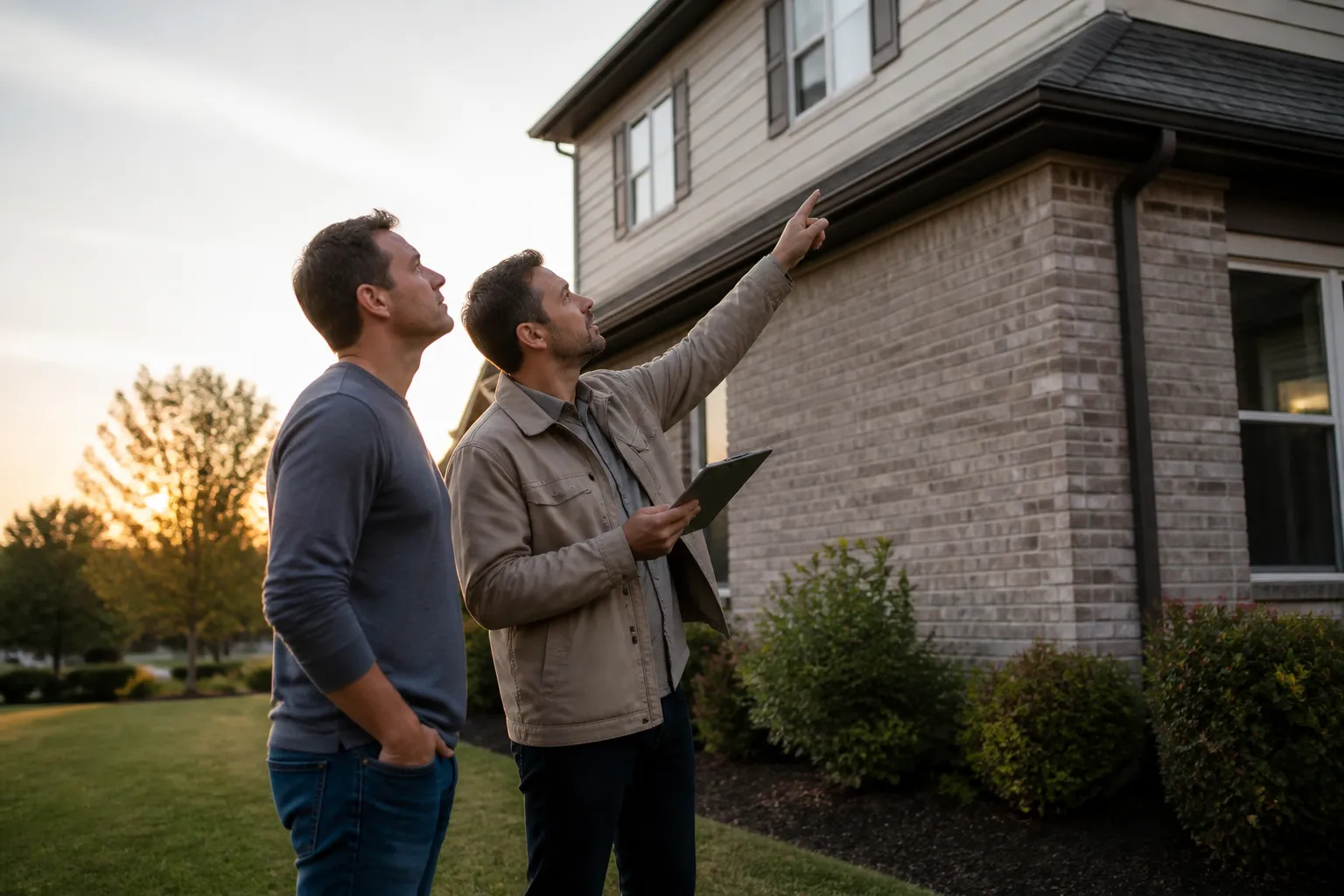
You found a house you like, the offer is in, and now someone has to tell you what is wrong with it. Who should that be? Choosing a home inspector is one of the cheapest decisions in the whole purchase, and it can shape some of the most expensive ones. This guide walks through timing, independence, credentials, questions, cost, and what to do with the report. It is general information, not personal advice, so check specifics with a licensed professional in your state.
Look for an independent inspector who is accountable to you and gives a complete inspection and an honest opinion.
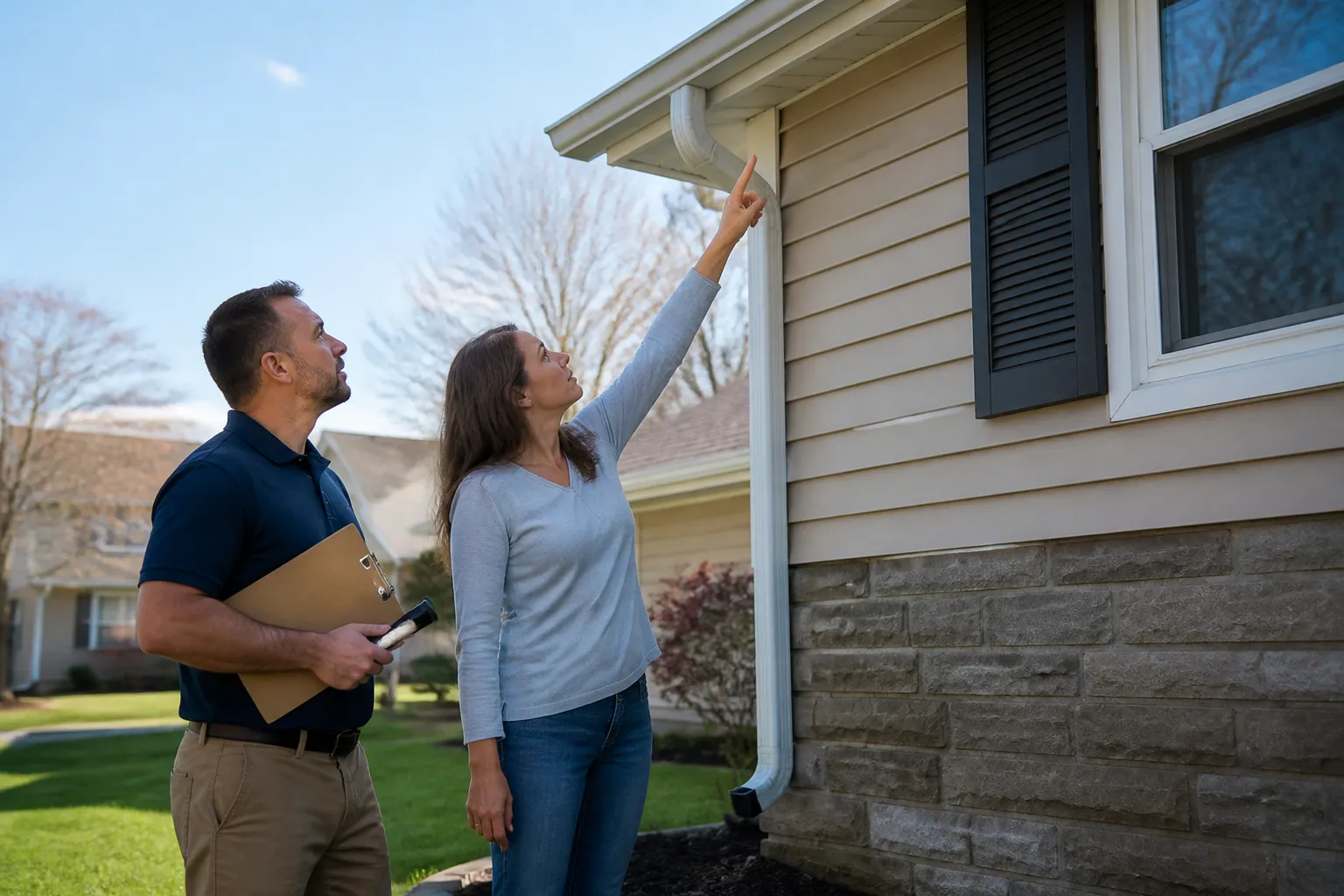
Why the inspection matters and when to schedule it
A home inspection gives you a complete assessment of the property's physical condition. That helps you decide whether you still want to buy it. It is not the same thing as an appraisal. Your lender generally requires some form of appraisal when you borrow, and its job is to estimate value. The inspection looks at condition. Buyers generally need both, and the Consumer Financial Protection Bureau makes this same distinction.
Timing is simple. Schedule the inspection as soon as possible after you choose a home. Early booking leaves time to resolve problems. It also matters if the inspector recommends additional specialist inspections, because you need enough time before closing to finish them. A rushed schedule is how buyers end up skipping the follow-up they were told they needed.
How to judge an inspector's independence and reputation
Ask one question first: who is this person working for? You want an independent inspector who is accountable to you and who will give a complete inspection and an honest opinion. The report should serve the buyer, not anyone else's interests.
Watch the payment arrangement. If the inspector is paid by someone else, or is not paid until closing, the inspector might underemphasize problems with the home. That is a conflict of interest, even if nobody intends it. A quick screen looks like this:
- Who is paying the fee, and when is it due?
- Does the inspector have a reputation for being honest and thorough?
- Can past clients describe how the inspector handled bad news?
Reviews and local professional associations are reasonable places to check reputation. Be wary of a recommendation that comes from someone who gains if the sale closes smoothly. Referrals can be fine, but compare at least two or three names yourself.
Credentials, questions, and what to verify
Rules differ by state. Many states license or regulate home inspectors, and others do not, so check your state's licensing board for current requirements. Professional groups such as the American Society of Home Inspectors publish guidance for consumers choosing an inspector. The National Association of Realtors also offers a handout on questions to ask, which is worth reading before you call anyone.
Here is a starting checklist to use on the phone. Confirm the details with your state regulator, since I could not verify a full standard list.
- Are you licensed where this home is located?
- What professional membership or certification do you hold?
- What does the inspection cover, and what does it leave out?
- How long will it take, and may I attend?
- What does the written report contain, and when will I get it?
- Do you carry liability insurance?
- Can I see a sample report?
The sample report is the most useful item. Photos, clear plain language, and a plain ranking of urgent versus minor issues tell you far more than a brochure does.
Costs and what to do when problems turn up
Fees vary by state, region, and home size. As a general US estimate, a standard single-family inspection often runs a few hundred dollars. Larger or older homes cost more, and add-on specialist inspections cost more again. Get the price and what it includes in writing before you book.
If the report finds problems, you generally have options. You can ask the seller to make repairs, negotiate a lower price, or in some cases walk away. Your purchase contract often sets deadlines for these steps, so act inside those windows. Ask your real estate professional or a real estate attorney how the terms apply to your contract. Then read the report once for the big items, and a second time with a pencil.
A short pre-signing checklist
- Book early, right after you choose the home.
- Pick someone you hire and pay yourself.
- Verify the license with your state board.
- Read a sample report.
- Get the fee and scope in writing.
- Note your contract deadlines for repair requests.
None of this takes long. An hour of asking questions now is far easier than discovering a roof problem after closing.
Sources
Still have a question?
Related guides
-

Upgrading to 200 Amps Without the Surprise Bill
Panel costs are only part of the story, so here is what a 200 amp upgrade typically runs, what can get added on, and what to ask before you sign. By Neil Ostrander
-

Tank or Tankless? How to Compare Water Heater Bids on Equal Terms
Learn how tank and tankless units differ, and which details a written plumber's quote should spell out so three bids can be compared fairly.By Renata Okafor
-

Find the Water First: A Practical Guide to Deciding on Mold Testing and Cleanup
Before anyone runs a sample or quotes a job, the moisture source and the size of the visible patch settle most of the decision. By Gideon Aldaine