How to Hire a Contractor for a Rental Renovation Without Getting Burned
A short sequence of checks on licensing, references, scope and bids will tell you far more about a contractor than a low price ever could.
 By Gideon Aldaine ·
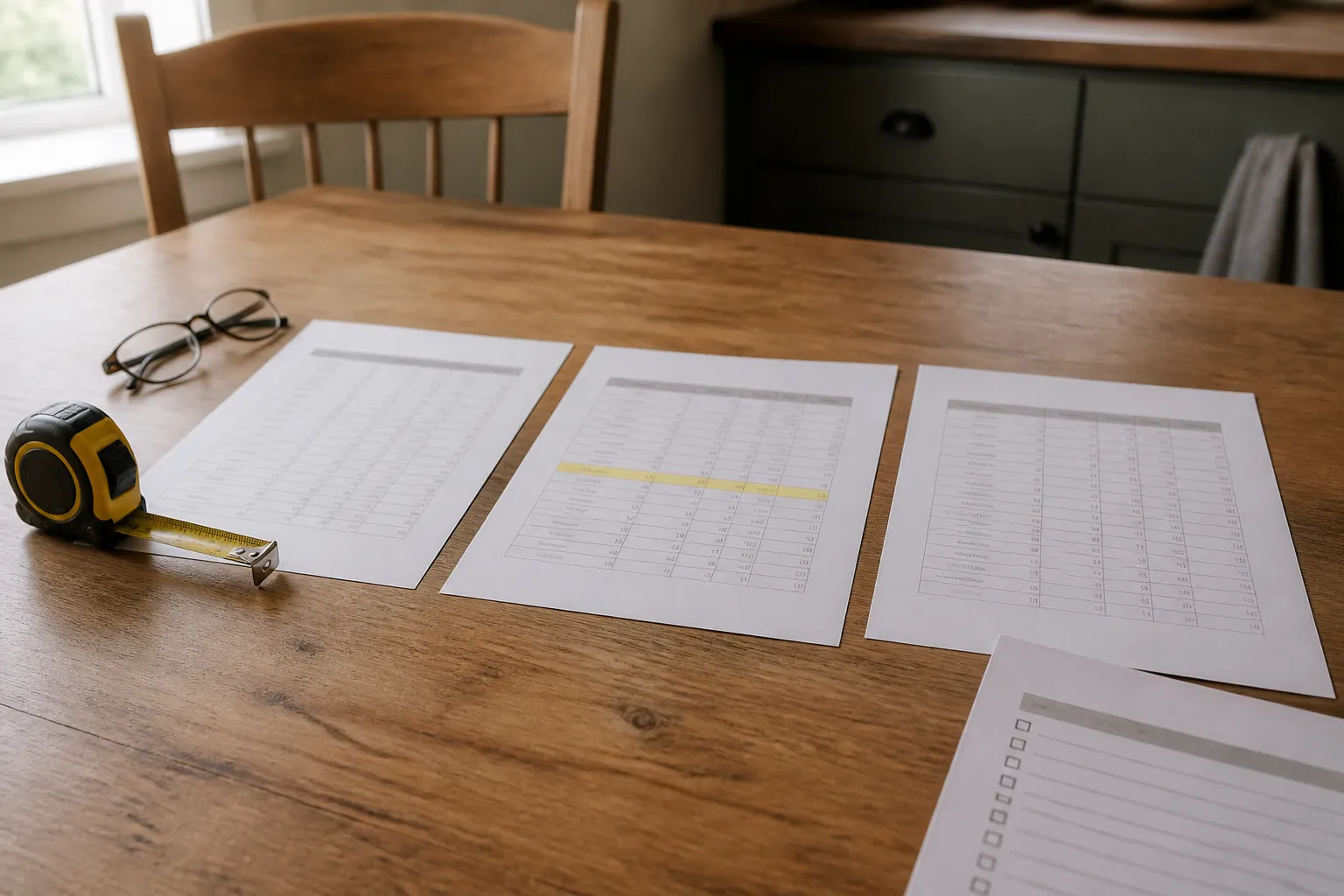
Who is going to be standing in your rental unit with a sledgehammer, and how do you know they will finish the job? Hiring a contractor for a rental renovation comes down to a handful of checks, done in order, before any money changes hands. This guide walks through those steps. It is general information only, not legal, financial or personal advice, so talk with a licensed professional in your state about your specific project.
Less expensive does not necessarily mean better. A contractor who cannot pay for materials and labor as the job proceeds is a problem you inherit.

Confirm the basics before you collect bids
Start with what the law and your insurer expect. Many states, though not all, require contractors to be licensed, bonded or insured, and the rules differ by state and sometimes by city. Your state or local licensing agency can tell you what applies where your property sits. Most states also expect contractors to carry workers' compensation, property damage and personal liability insurance, so you want to see:
- A current license, if your state requires one.
- A current insurance certificate.
- Proof of workers' compensation coverage.
Do not rely on a photocopy alone. Confirm both directly with the issuing source. Some states offer online license lookups, and California's Contractors State License Board is one example of a regulator that lets consumers check. How you verify elsewhere depends on your state, so ask your licensing agency.
If the rental was built before 1978, lead-safe rules may come into play. EPA Lead-Safe Certified practices apply when work disturbs more than six square feet of interior painted surface or 20 square feet of exterior painted surface. Ask any contractor bidding on an older unit how they handle this.
Find candidates and check their track record
Where do good contractors come from? Usually from people who have used them. Friends, neighbors, colleagues, lenders, real estate agents and local material suppliers are all common sources, and local trade associations can supply member names. A local contractor tends to know the local building codes and permit requirements, which matters when your rental work may need inspections.
Once you have two or three names, work through this list for each:
- Ask for references and past customers, and ask whether those customers would hire the contractor again.
- Ask to see completed work and work in progress, not only photos.
- Check for complaints with the Better Business Bureau and with consumer affairs offices.
- Look at business history. About three to five years in business is common for a financially sound contractor, and a longer record helps if a warranty issue comes up later.
- Look for a permanent business location and good standing with local banks and suppliers.
A clean complaint record is not proof of quality. A pattern of complaints is worth taking seriously.
Write a clear scope and a complete contract
Before any work starts, a written contract should be reviewed and signed. It should say what work will be done, where, how, over what time span and at what cost. The scope is where most disputes begin. A line reading "Flooring: $5000" tells you almost nothing. A detailed scope names specific products, brands, model numbers, colors and sizes, so you can compare bids and hold the contractor to what was promised.
A complete contract typically includes:
- The contractor's name, address, phone number and license number.
- Plans or sketches.
- Guaranteed start and completion dates, with a financial remedy for delay.
- The price and payment schedule.
- Product specifications and allowances.
- Who obtains and pays for permits.
- Insurance information.
- Change order procedures.
- Lien releases.
- Dispute resolution terms.
- Site access, cleanup and trash terms.
If you sign somewhere other than the contractor's place of business, such as at your own kitchen table, the FTC Cooling Off Rule gives you three days to cancel, and the contract should say so. Permits are usually needed for structural work or footprint expansions, and local codes vary and change over time. Settle in writing who pulls them and who pays. Payment schedules, deposit limits and lien rules also vary by state, so have an attorney or your state agency explain them before you sign.
Compare bids and choose with care
Dollar figures for renovations swing widely by state, by property and by scope, so rules of thumb are weak guides. Get itemized bids instead. Then make sure each bid covers the same scope, products and allowances. A quote that quietly leaves out the cabinetry is not comparable to one that includes it, however attractive the total looks.
Be cautious of an unusually low number. It may mean the contractor will struggle to pay for materials and labor midway through. Before you sign, confirm again that the license, insurance and workers' compensation are current. Then ask yourself a plain question: can this person explain things clearly and answer promptly? You will be in close contact for weeks.
If this is your first project with a contractor, consider a lighter rehab that may not need permits. It is easier to switch contractors mid-stream on a smaller job. One lender commenter also suggested pairing with an experienced partner on early deals.
Watch for red flags and ask the right questions
Some warning signs are easy to spot once you know them:
- Refusal to give names of previous customers.
- An unusually low bid.
- No permanent business location, or very little business history.
- Pressure to sign before a written contract covers scope, price and schedule.
- A vague lump-sum scope, or a quote that leaves out major items.
Bring a short list of questions to every meeting, and get the answers in writing:
- Do you have a current license and insurance certificate?
- Will you provide names of previous customers, and would they hire you again?
- Can I see completed and in-progress work?
- Who will obtain and pay for permits?
- How will change orders be handled?
- Can you provide lien releases?
- What are the guaranteed start and completion dates, and what remedy applies if they are missed?
Verbal promises are hard to enforce, and a clear written record protects both sides. Rental-specific matters such as tenant notice, lease timing and landlord permit rules differ by place, so check them with a local professional before you schedule work.
Sources
- How To Avoid a Home Improvement Scam | Consumer Advice
- Hire a Licensed Contractor - CSLB
- Guides and Publications - CSLB
- Consumer Guide: Hiring a Remodeling Contractor
- How to Choose a Remodeling Contractor-NARI
- Checklist for Finding and Hiring a Builder or Remodeler | NAHB
- How to Find, Qualify, and Hire Quality Contractors! - Amazing Basement Creations
- Hiring a General Contractor 101
Still have a question?
Related guides
-

Upgrading to 200 Amps Without the Surprise Bill
Panel costs are only part of the story, so here is what a 200 amp upgrade typically runs, what can get added on, and what to ask before you sign. By Neil Ostrander
-

Tank or Tankless? How to Compare Water Heater Bids on Equal Terms
Learn how tank and tankless units differ, and which details a written plumber's quote should spell out so three bids can be compared fairly. By Renata Okafor
-

Find the Water First: A Practical Guide to Deciding on Mold Testing and Cleanup
Before anyone runs a sample or quotes a job, the moisture source and the size of the visible patch settle most of the decision.By Gideon Aldaine