How to Hire a Smart Home or Security Installer Without Getting Burned
A step-by-step checklist for deciding whether you need a pro, verifying credentials, spotting pressure sales and asking the right questions before you sign.
 By Gideon Aldaine ·
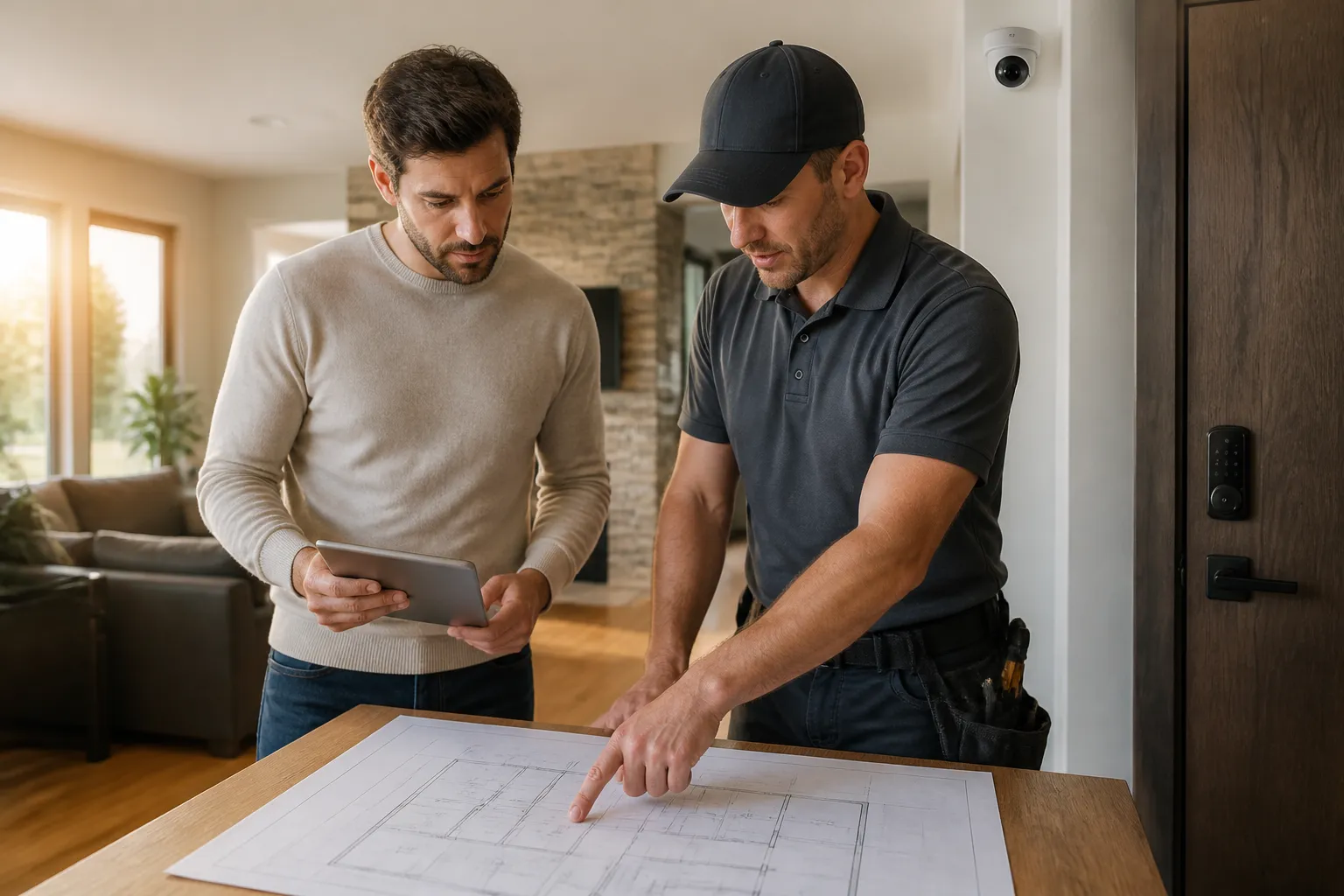
Who are you about to let into your house, and what will they leave behind? A smart home or security installer touches your door locks, your cameras, your network and sometimes your alarm monitoring. That is a lot of trust to hand over after a single phone call, so it helps to work through the hiring in order, one check at a time. This guide is general information only, not personal legal, financial or security advice, and a licensed professional in your state can speak to your specific situation.
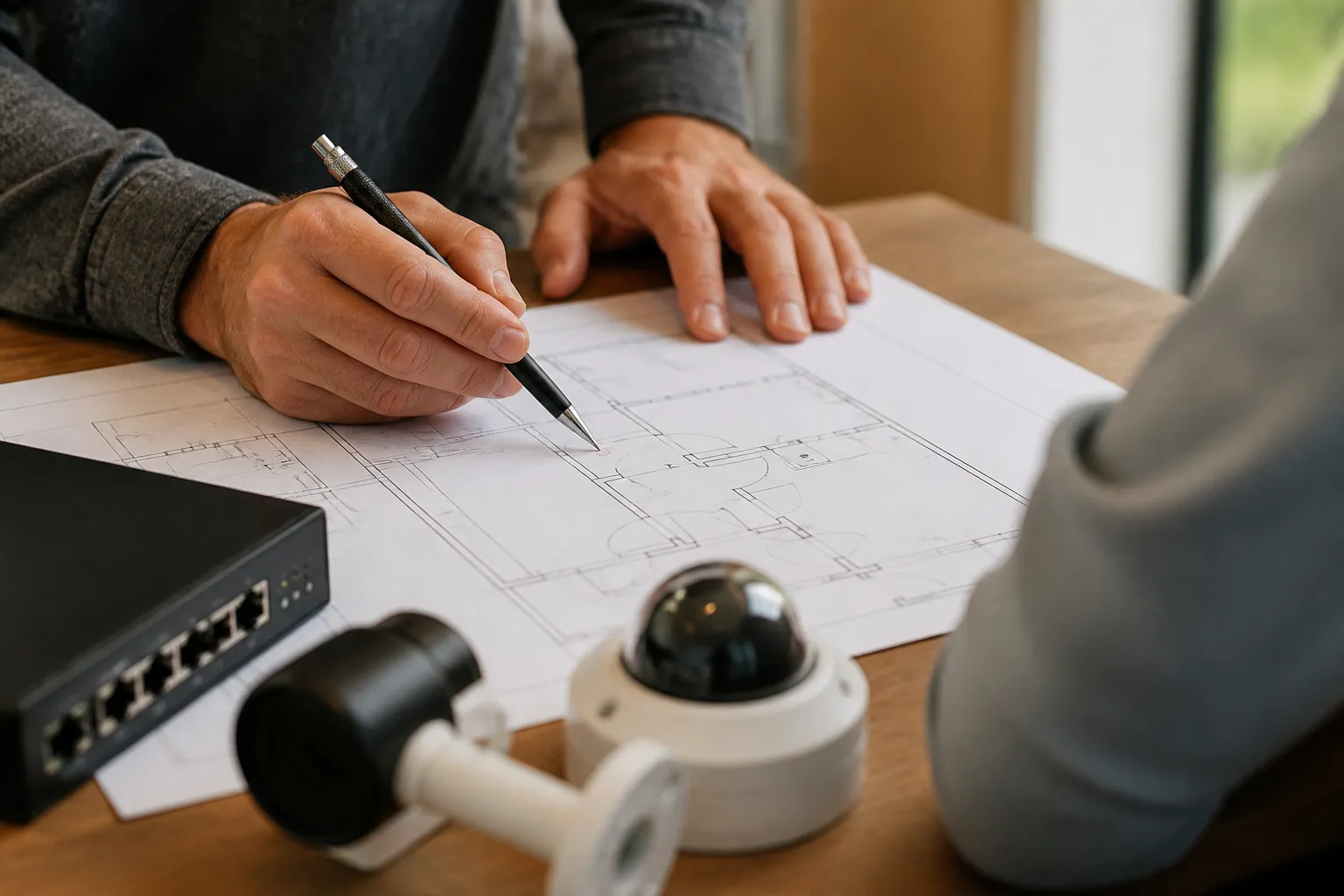
Decide whether you need a professional at all
Not every project calls for one. A single plug-in smart bulb or a video doorbell that comes with its own app is usually something a patient homeowner can handle alone. The picture changes when the job gets bigger. CEDIA, the industry trade association, says a professional is recommended when you are new to smart home technology, when the setup is complex, or when you want a high-end custom installation. Its reasoning is that tying together lighting, locks, cameras and climate control takes specialized knowledge beyond typical DIY skills.
Run through these questions before you start calling around:
- How many different systems need to talk to each other?
- Is this new construction, or a retrofit with finished walls and devices you already own?
- Will you want to add devices in two or three years?
- Who will you call when something stops working?
CEDIA lists reliability, upgradability, dedicated support and compatibility with existing systems as the main benefits of hiring a pro. Those matter most if you plan to expand later, because a system designed with growth in mind can save you rework.
Verify credentials, and do it yourself
A logo on a flyer proves nothing. CEDIA says its membership designations identify company and individual achievements, and that you can verify membership through its online directory, which can filter by membership, certified staff and showroom status. Look the company up rather than taking the sales rep's word for it.
One detail is easy to miss. CEDIA says individual certifications are held by the person, not the firm. So if a company says its technicians are certified, ask for the names of the people who will actually come to your home, then check those names. A company that cannot or will not give them is offering less assurance than it sounds like.
Be wary of search results too. The Federal Trade Commission warns that scammers and dishonest businesses sometimes pay to appear at the top of online searches. A first-place listing may be an ad, not an endorsement, so compare several sources before you pick anyone to call.
Spot pressure sales early
Security products attract a particular kind of hard sell. The FTC has issued tips specifically about door-to-door agents pitching home security systems, and its shopping guidance describes the usual tactics: urgency, discounts that expire today, and hints that your neighborhood is at risk. Slow down if you see any of these:
- Someone contacts you unprompted about a security system.
- You are told the price is only good if you sign right now.
- You are asked to pay before any work is scheduled.
- The salesperson will not leave paperwork with you to read.
A legitimate installer can wait a few days while you compare. If the offer cannot survive that, treat it as your answer.
Ask the right questions before you sign
Bring a written list, and take notes on the answers. Good starting points:
- Do you hold current CEDIA membership or certification, and how can I verify it?
- Which technicians will do the work, and do they hold individual certifications?
- How will the system connect to the devices I already own?
- How will it be prepared for future upgrades?
- What support do you offer after installation, and how fast do you respond?
- How will you tailor the design to my needs and budget, and will you explain tradeoffs in writing?
For security systems, add questions about the contract. Ask about the length of the term, cancellation rights, installation fees, and whether monitoring charges rise after an introductory period. Ask what happens to the equipment if you cancel. The FTC's shopping guidance points buyers toward reading these terms closely before signing.
Cameras deserve a privacy conversation as well. Ask who can access recordings, how passwords are set up, and how firmware updates are delivered. The FTC's advice on securing home cameras is a useful guide for framing those questions.
What costs and rules to check on your own
Costs vary widely by state, the size of your home and how complex the system is, and the sources behind this guide do not give reliable US price ranges for installation, equipment or monthly monitoring. So do not trust anyone who quotes a single number over the phone. Ask every installer for a written, itemized estimate covering equipment, labor, any monthly fees and any contract term, so you can compare offers on the same basis.
Licensing is the other gap. Rules for alarm and security installers differ by state and sometimes by city. Contact your state licensing board or consumer protection office to learn whether a license is required and how to look one up. Also ask each company about liability insurance, bonding and background checks for staff, since these standards are not uniform across the industry.
If a company points to a credential you do not recognize, ask what it certifies, who issues it and how you can verify it independently. If you think a company has misled you, the FTC's consumer pages explain how to report suspected scams, and your state attorney general's office can also help.
Sources
- How To Avoid Scams When You Shop for a Home Security System | Consumer Advice
- Work at the FTC | Federal Trade Commission
- FTC Offers Tips to Help People Avoid Being Scammed By Door-to-Door Sales Agents Pitching Home Security Systems | Federal Trade Commission
- How To Secure Your Home Security Cameras | Consumer Advice
- Online Privacy and Security | Consumer Advice
- Find a Smart Home Installer Near You | CEDIA
- Do You Have to Have a Smart Home Installer? | CEDIA
- Resources for Smart Home Professionals | CEDIA
Still have a question?
Related guides
-

Upgrading to 200 Amps Without the Surprise Bill
Panel costs are only part of the story, so here is what a 200 amp upgrade typically runs, what can get added on, and what to ask before you sign. By Neil Ostrander
-

Tank or Tankless? How to Compare Water Heater Bids on Equal Terms
Learn how tank and tankless units differ, and which details a written plumber's quote should spell out so three bids can be compared fairly. By Renata Okafor
-

Find the Water First: A Practical Guide to Deciding on Mold Testing and Cleanup
Before anyone runs a sample or quotes a job, the moisture source and the size of the visible patch settle most of the decision.By Gideon Aldaine