How to Vet a Tree Removal Company Before You Hire One
Costs vary widely, so a written bid, verified credentials, and proof of insurance matter more than any quoted price range.
 By Renata Okafor ·
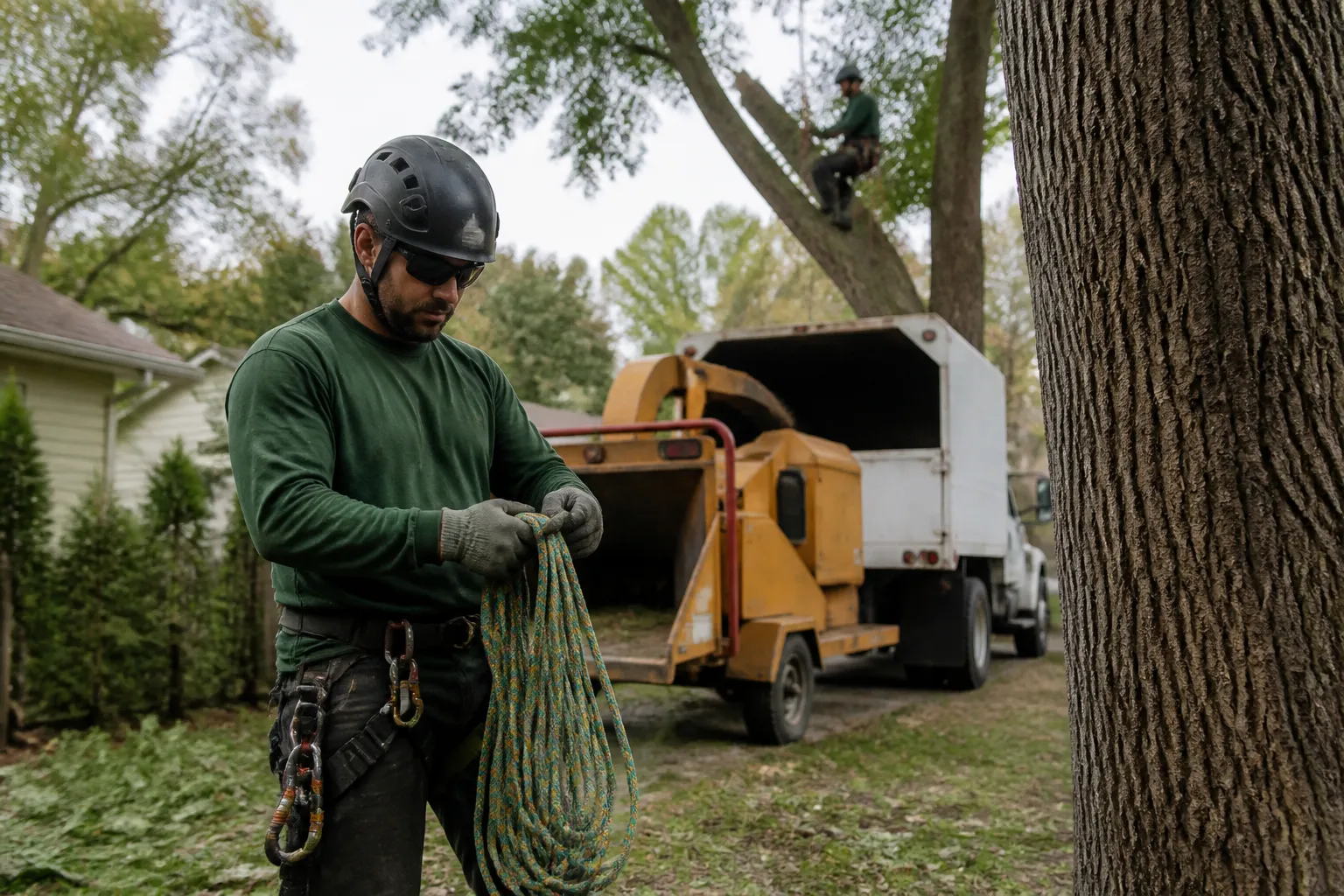
How much will it cost to take down a tree, and how do you know the person quoting you is any good? Those two questions tend to arrive together, usually after a storm, a scare, or a branch landing on the roof. The honest answer to the first is that it depends on your tree and your yard. The answer to the second is a short checklist, and this guide walks through it step by step. It is general information, not personal advice, so for decisions about your own property, talk with a licensed local professional.
When removal is worth hiring a professional
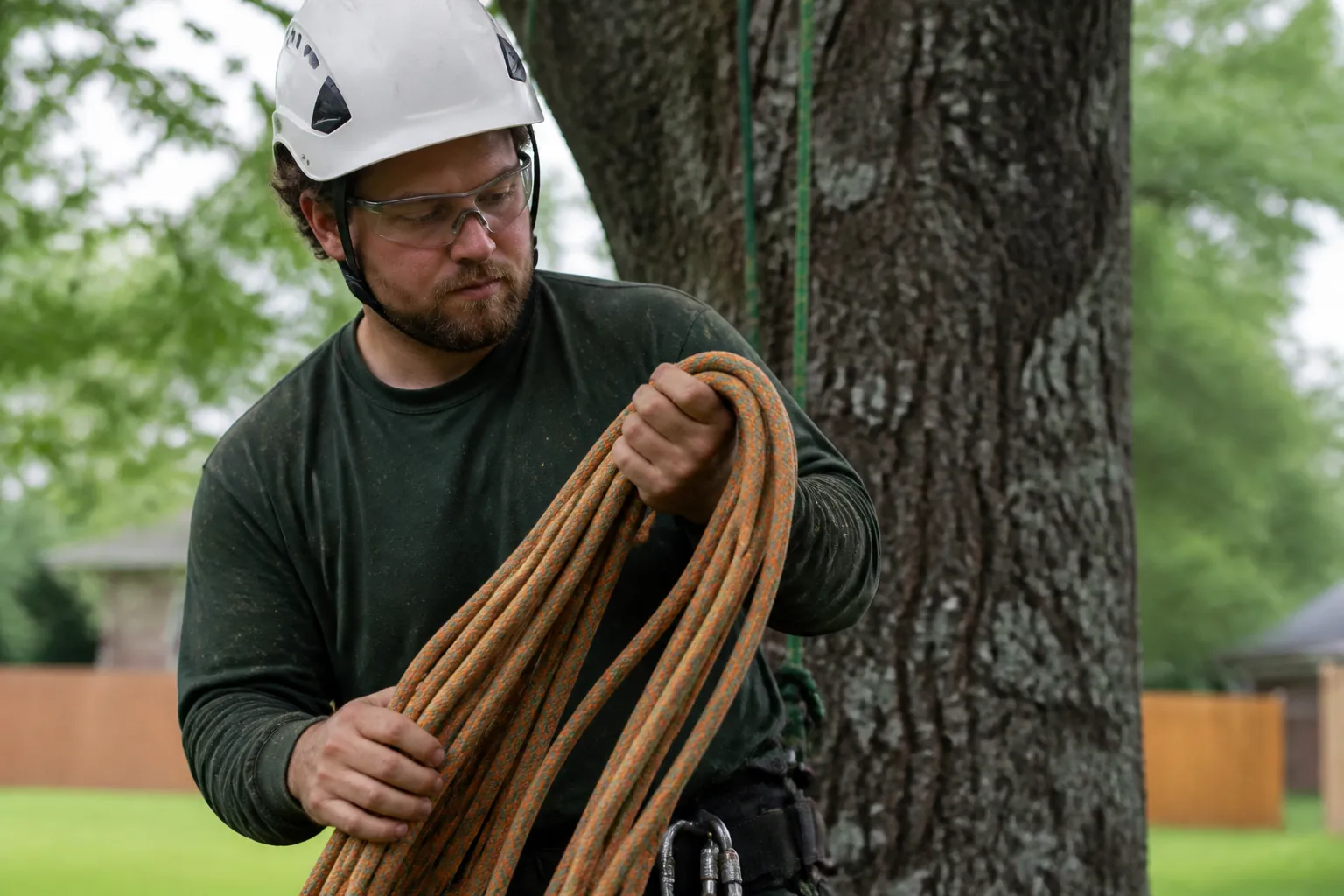
Removal can be expensive, so it helps to know when a professional assessment is the right call. Arborists are generally suggested when a tree is dead or dying, poses an unacceptable risk, blocks something important, crowds other trees, or stands where construction is planned. Large trees are dangerous to prune or remove, and the work should be done only by people trained and equipped to do it safely. That is the main reason to skip the neighbor with a chainsaw and a truck.
Also check on permits before anyone climbs anything. Some removals require one. In the City of Atlanta, for example, the permit is free, but rules differ by city and county. A reputable company should already know how to get any permit your job needs.
What tree removal costs and why prices vary
The sources behind this guide do not publish dollar ranges, and any single national figure would hide a lot. Prices swing by state and locality, and by the job itself. These are the details that move a bid up or down:
- Tree size, height, and condition
- Distance from structures, fences, and power lines
- Whether equipment can reach the tree
- Whether stump grinding and debris hauling are included
Because your yard sets the price, a written bid for your actual tree beats any general estimate. Collect several, and make sure each describes the same scope so you are comparing like with like. Keep the bigger financial picture in mind too. The Tree Care Industry Association notes that hiring decisions can put hundreds, sometimes thousands, of dollars at stake, since a poor job can leave you paying for damage and cleanup.
How to check credentials and qualifications
The ISA Certified Arborist credential is a good starting point, with caveats. It is voluntary, it is not government-sponsored, and it does not guarantee good work. Still, it is widely recognized, and you can verify a name in the ISA directory. Holders follow a Code of Ethics and keep up continuing education.
- Certified Arborist: a written exam, 18 months of experience, and 30 hours of continuing education every three years.
- Certified Tree Worker: an oral test plus a practical climbing and aerial rescue exam, 18 months of experience, and 15 hours of continuing education every three years.
- Board-Certified Master Arborist: an extensive exam covering all aspects of tree care.
Titles are loosely used. Anyone can call themselves an arborist, and some states and cities do not license tree companies at all. Georgia and Atlanta, for instance, have no such requirement, while other communities do. A quick call to city hall will tell you what applies where you live.
How to verify insurance and contracts
Ask for proof of both liability and workers' compensation insurance, and read the coverage dates on the certificate. Liability coverage protects your property if something is damaged. Workers' compensation protects you if a crew member is hurt on your land. Better still, ask the company's insurance agent to send the certificate straight to you rather than relying on a copy handed over at the door.
Then get the scope in writing before work begins. A good proposal covers:
- Debris removal and stump grinding
- Equipment access to the tree
- Scheduling
- Who obtains the permit
Payment schedules and dispute processes are not covered in these sources, so read any contract carefully and ask about anything unclear. If the stakes are high, a licensed attorney can review it.
Questions to ask and red flags to watch for
Start with direct questions, and write down the answers:
- Do you have an ISA Certified Arborist on staff?
- Are you accredited by the Tree Care Industry Association or a member of ISA?
- Can you show proof of liability and workers' compensation insurance, with dates?
- Do you follow the ANSI A300 standard for tree care?
- Will you get the required permit?
- Does the written bid cover debris, stump grinding, and access?
Then watch for warning signs. Recommending topping is a serious one, because it usually causes damage that cannot be repaired. Workers without protective gear are another, since OSHA requires hard hats, hearing protection, and safety glasses for tree crews. Be wary of unsolicited visits from someone with only a chainsaw, and of anyone who dodges insurance questions or has left damaged gutters or fences behind on past jobs.
Unusually low bids deserve a second look as well. Underbidding often means corners are cut on staffing, safety, or coordination. Check years in business, professional affiliations, and Better Business Bureau history, and ask for references from recent customers. A phone call to one of them is worth the ten minutes.
Sources
- Why Hire an Arborist? | TreesAreGood.org
- International Society of Arboriculture
- How to Hire an Arborist
- Find an Arborist | TreesAreGood.org
- Hiring a Tree Care Company - Tree Care Industry Association, LLC.
- How to Hire a Tree Care Professional | NC State Extension Publications
- How to hire a tree care professional | UMN Extension
- How to Hire a Tree Company - Atlanta Tree Conservation Commission
Still have a question?
Related guides
-

Upgrading to 200 Amps Without the Surprise Bill
Panel costs are only part of the story, so here is what a 200 amp upgrade typically runs, what can get added on, and what to ask before you sign. By Neil Ostrander
-

Tank or Tankless? How to Compare Water Heater Bids on Equal Terms
Learn how tank and tankless units differ, and which details a written plumber's quote should spell out so three bids can be compared fairly.By Renata Okafor
-

Find the Water First: A Practical Guide to Deciding on Mold Testing and Cleanup
Before anyone runs a sample or quotes a job, the moisture source and the size of the visible patch settle most of the decision. By Gideon Aldaine