Mold Remediation: How to Scope, Compare and Hire Properly
Price depends on size, hidden damage and the water source, so comparing written scopes matters more than comparing totals.
 By Renata Okafor ·
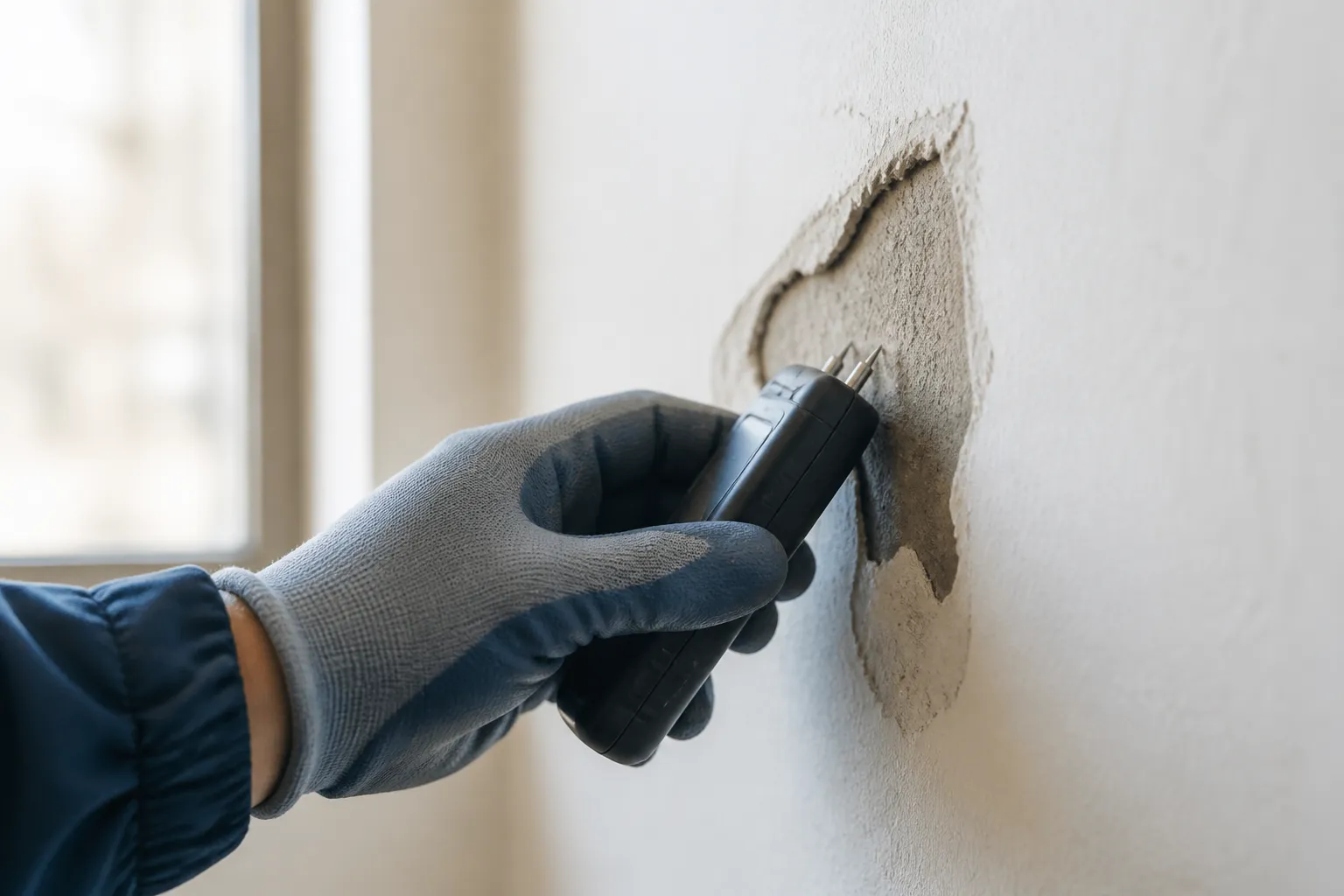
How much will mold remediation cost, and how do you find someone who will do it properly? The honest first answer is that the sources reviewed for this guide give no dollar figures, so no reliable US price range can be stated here. Prices vary by state, by the size of the problem and by what is hiding behind the drywall. What you can do is learn what drives a bid, so you can compare quotes on equal terms. This is general information only, not medical, legal or financial advice, so check details with a licensed professional in your state.
Mold control depends on moisture control. Clean up mold promptly and fix the water problem.
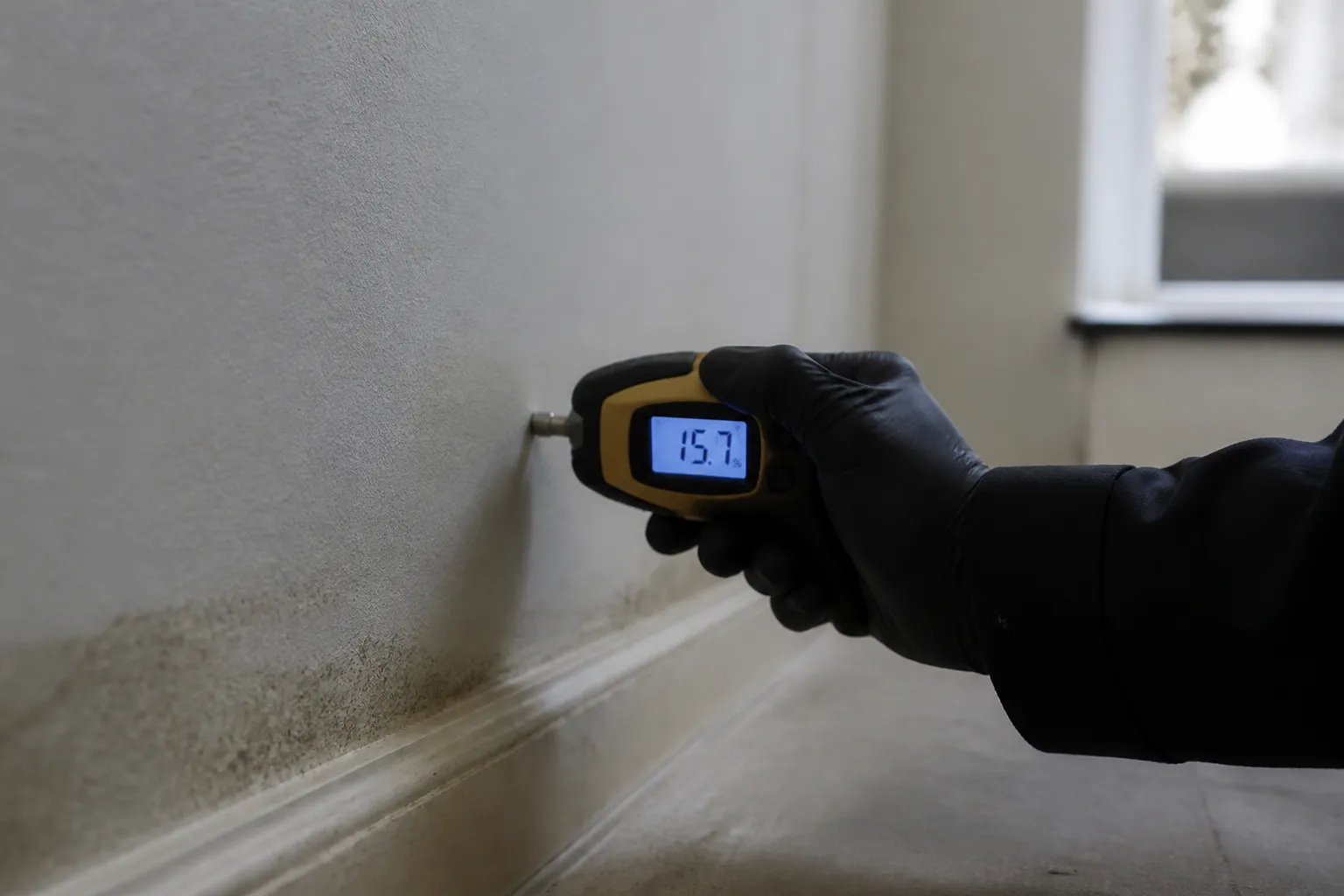
What Drives the Cost of Mold Remediation
Size and location do most of the work in setting a price. One commonly cited scheme, from a commercial website that should be verified against EPA text, sorts jobs by area: no containment under 10 square feet, limited containment from 10 to 100 square feet, and full containment above 100. More containment means more labor, more equipment and a higher bid.
Other things push the number up, and it helps to know them before the first estimate arrives:
- Mold behind walls or under flooring, which means opening up finished surfaces.
- Porous materials that must be removed, such as carpet, padding, drywall, insulation or ceiling tiles.
- Water damage that sat longer than 48 hours, since CDC advises removing porous items that cannot be fully cleaned and dried.
- Repairs to the water or humidity source, if the bid includes them.
Ask every bidder for a written estimate listing the area measured, the containment method, the materials to be removed and whether moisture repairs are included. Comparing the same scope is far more useful than comparing totals. For local figures, rely on those written quotes.
Deciding Whether a Job Is Small Enough to Handle Yourself
Is the patch bigger than a doormat? BBB describes a moldy area under 10 square feet as Level 1 work that most people can handle themselves. CDC points readers to the EPA guide for anything larger. Treat 10 square feet as a practical dividing line, not a guarantee.
Call a professional if any of these apply:
- The area is over 10 square feet.
- There is heavy water damage.
- You suspect hidden mold. Opening walls or floors can release spores into the rest of the building.
You probably do not need mold testing when you can see or smell the mold. It rarely changes the plan, so spend that money on fixing the moisture source instead. For a small cleanup, wear at least an N-95 respirator, goggles and protective gloves. Clean hard surfaces with detergent and water, and if you use bleach, keep it to one cup per gallon of water with windows and doors open. Never mix bleach with ammonia or other cleaners, because the fumes are toxic.
How a Professional Remediation Job Is Done
Order matters here. Good work follows a sequence:
- Assess the size and location of the affected area, which sets the containment level and protective gear.
- Fix the moisture source.
- Dry the structure. CDC advises drying within 24 to 48 hours, because mold can form in one to two days.
- Remove porous materials that cannot be saved.
- Clean hard surfaces and dry them thoroughly.
Skipping step two is the classic failure. EPA guidance says mold returns when the water problem remains. An indoor air quality consultant can help trace the cause of standing water or high humidity, but consultants only advise. A separate contractor still does the repair and cleanup.
How to Check Licensing and Choose a Remediator
Start by finding out whether your state licenses or registers mold work. Rules differ widely, and the sources here describe only Texas, where the state licensing department covers assessors, consultants, labs, remediation workers, contractors and companies. Wherever you live, ask for the license or registration number and look it up on the official state site yourself.
Then look at how the job is structured. BBB advises watching for conflicts of interest, so where possible use one firm to assess and a different one to clean up. A company that both diagnoses and sells the fix has a reason to inflate the scope. BBB also recommends a contractor who specializes in mold, not a general contractor who does it now and then. Ask how many jobs of similar size they have finished.
Questions to Ask Before Hiring
Bring this list to each conversation and write down the answers:
- Are you licensed or registered for this work in this state? What is the number?
- Will you fix the water source, or only clean the visible mold?
- How will you contain the area and protect occupants, and what respiratory protection will workers use?
- Will carpet, ceiling tiles or drywall be removed and replaced?
- Who assesses, who cleans, and do those two firms have any financial or business ties?
- How will you confirm the area is clean and dry before we move back in?
A strong answer to the last one includes moisture readings and a documented final inspection. Vague answers are information too.
Red Flags to Watch For
- Advice to mix bleach with ammonia or other household cleaners.
- A bid that cleans visible mold and ignores the moisture source.
- The same company assessing the problem and selling the cleanup, with no second opinion offered.
- No license number, or no clear plan for containment and protective equipment.
Any one of these is reason to pause. Do not sign until the gap is closed.
Gaps in the Available Information
The sources do not cover dollar ranges, state-by-state price differences, licensing outside Texas, insurance claims, contract terms, payment schedules or warranties. Read those parts of any contract closely, ask your insurer what it covers, and consider having a licensed professional review the paperwork before you sign.
Sources
- A Brief Guide to Mold, Moisture and Your Home | US EPA
- EPA Guidelines for Mold Restoration
- CDC offers tips for mold cleanup (9/24) | ISHN
- BBB Tip: Hiring a mold remediation specialist
- Mold Remediation in Schools and Commercial Buildings Guide: Chapter 1 | US EPA
- https://vertexaisearch.cloud.google.com/grounding-api-redirect/AUZIYQH2b27q2RWHdZkCCl8zV9GEpBHyQanB3Ng6KhV4l28qgm_p9FfA8-X5i2ovKK0aek1p2i2LVdmoEdZPVgqop9rVCMkc5mOGqAEY5en3GcynIJn7-1jxW7C0Et2MdoBbQfArgsJO5rD1D6ao4cY8Q_lKLLmyEr7QGJEUyCwF6x-IFwC1PA==
- Homeowners and Renters Guide to Mold Cleanup After Disasters | Mold | CDC
- Mold Assessors and Remediators Homepage
Still have a question?
Related guides
-

Upgrading to 200 Amps Without the Surprise Bill
Panel costs are only part of the story, so here is what a 200 amp upgrade typically runs, what can get added on, and what to ask before you sign. By Neil Ostrander
-

Tank or Tankless? How to Compare Water Heater Bids on Equal Terms
Learn how tank and tankless units differ, and which details a written plumber's quote should spell out so three bids can be compared fairly.By Renata Okafor
-

Find the Water First: A Practical Guide to Deciding on Mold Testing and Cleanup
Before anyone runs a sample or quotes a job, the moisture source and the size of the visible patch settle most of the decision. By Gideon Aldaine