Paying for a New Septic System: Costs, Loans, and Where to Start
Most help comes as a loan or a conditional grant, so knowing typical costs and the right offices to call will shape your next steps.
 By Gideon Aldaine ·

Is your septic system failing, and are you wondering what a new one will actually cost? Most homeowners ask that question under pressure, with a soggy yard or a slow drain in front of them. This guide walks through typical US price ranges, why help usually arrives as a loan, where to look for assistance, and what to ask before you sign anything. It is general information only, not personal financial, legal or medical advice, so check details with a licensed professional and your local health department.
Almost no government program hands you a new septic system for free. Most help is a loan, or a grant with strict conditions.
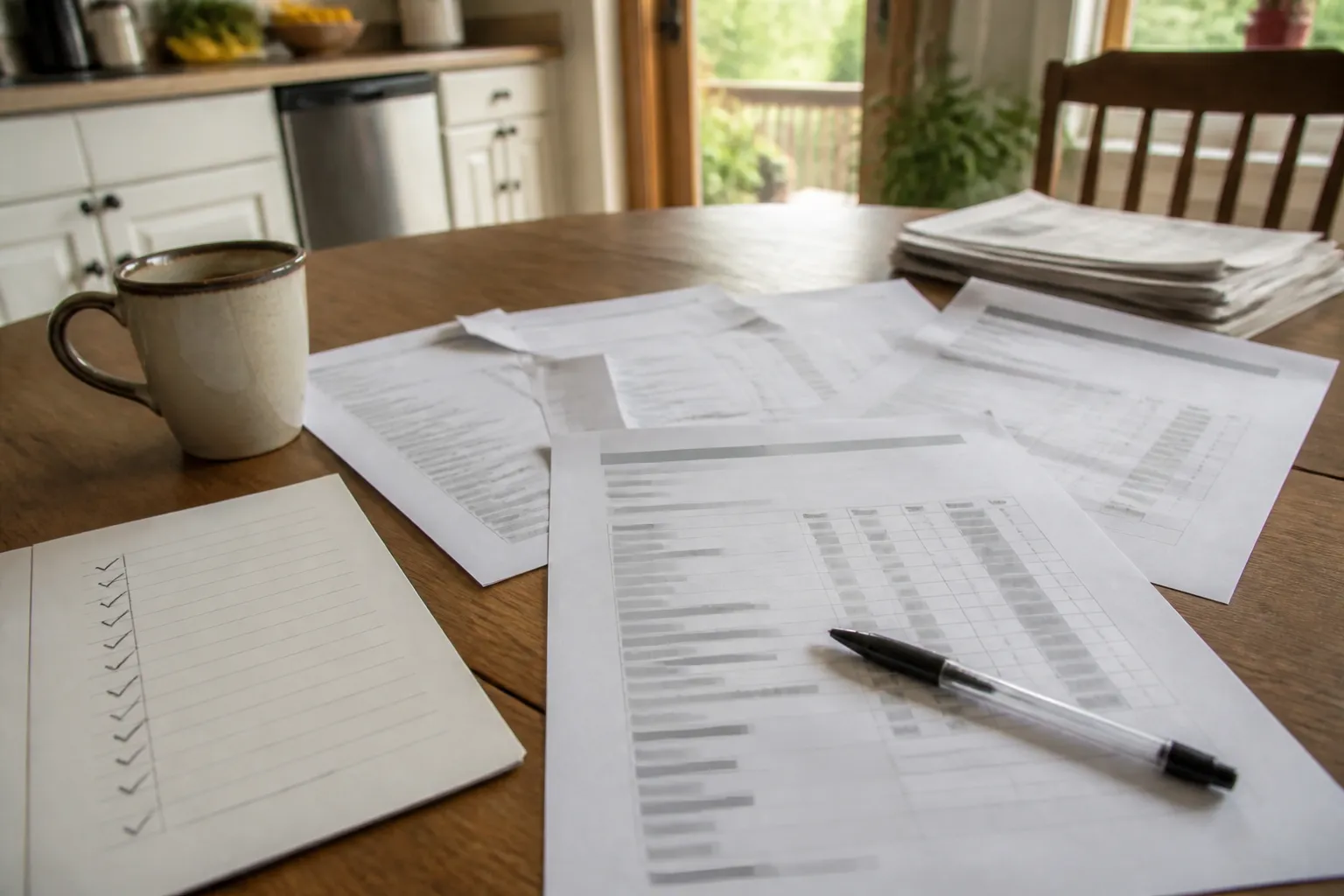
What a septic replacement typically costs
Prices vary by state and by local conditions such as soil, lot size, and system type, so treat every figure here as a general US range. Sources also disagree. Routine pumping is listed at about $250 to $500 every three to five years. Replacing a malfunctioning conventional system is commonly listed at $5,000 to $15,000, and alternative systems can cost more. One guide puts a failing-system replacement at $5,000 to $30,000 in most parts of the country, with drainfield replacement alone at $5,000 to $20,000.
Much of the gap comes down to scope. A drainfield replacement costs far less than a full new system with a tank, pump, and advanced treatment. When quotes arrive, check these items on each one:
- Whether it covers the tank, the drainfield, or both
- Whether a pump or advanced treatment unit is included
- Who pays for site evaluation and soil testing
- Who pulls the permit and schedules inspections
The sources do not give consistent figures for evaluation, testing, permits, and inspections. Ask your local health department and installers for their own breakdowns, and get several written quotes from licensed installers so you compare like with like.
Why funding is often a loan, not a gift
A septic system serves one private property, so public programs tend to treat the cost as the owner's responsibility. They offer financing to make it manageable. Roughly one in five Americans relies on an onsite system by one count, and homeowners usually pay for repairs themselves.
Federal Clean Water State Revolving Fund (CWSRF) money generally does not go straight to individuals. Many states require that funds go to public entities, and states decide which projects they support. Homeowners often reach the money through a county, municipality, or district that applies for them, or through a state program that passes funds along. Because states, counties, and towns run most programs, the same project can have very different options depending on where you live.
Federal and state options to look into
Where should you look first? Start with these:
- USDA Rural Development Section 504. This helps very-low-income rural homeowners, generally those under 50 percent of area median income. Repair loans can reach $40,000 at 1 percent over 20 years. Grants up to $10,000 may be available to homeowners 62 or older who cannot repay a loan, so the total can reach $50,000.
- EPA Section 319 grants to states. These may be used to build, upgrade, or repair onsite systems, but each state decides how to use them.
- CWSRF-backed loans. These are typically 0 to 3 percent interest with 10- to 20-year terms, depending on your state and funding cycle.
Section 504 grants have a lifetime cap and generally require that the work remove a health or safety hazard. A failed system fits. A system you simply want upgraded usually does not.
State and local programs differ widely. Kentucky PRIDE serves low-income homeowners. Pennsylvania's PENNVEST offers low-interest loans. The Catskill Watershed Corporation reimburses eligible residents of certain New York counties. In Suffolk County, New York, a $10,000 county grant may combine with a state fund covering 75 percent of cost up to $25,000 for income-eligible homeowners. Massachusetts Title 5 betterment loans come through municipalities.
For a sense of scale, a $15,000 loan at 1 percent fixed over 20 years works out to about $69 per month. You can read the EPA's overview of septic funding sources for the federal picture.
Timing, eligibility, and how to check what is open
Programs open, pause, and refill. Delaware's grant paused new applications in early 2026 and reopened in March 2026. A program that took applications last year may be closed now, so confirm with the administering agency that it is open and funded before you plan around it.
Timing rules can also cost you money. Some programs reimburse eligible costs instead of paying upfront. Suffolk County's grant is not retroactive and must be approved before installation begins. Income and age limits are common, and federal grants for individuals usually have strict thresholds.
Insurance and what it usually will not cover
Homeowners insurance usually excludes wear-and-tear septic failure, since gradual deterioration is not a covered event. Sudden accidental damage may be covered, so the cause matters. Some insurers sell a sewer and drain backup rider for roughly $50 to $100 per year. Read it closely, because it may not cover the septic system itself or its replacement. Ask your insurer in writing what it would and would not pay.
How to start and what to ask
Work through this order:
- Call your county health department. It typically permits septic systems and knows local funds.
- Contact your state environmental agency (the name varies, such as DEQ, DEC, or DEP) about revolving fund pass-through programs for residential systems.
- Contact your state USDA Rural Development office to confirm current Section 504 amounts and terms.
- Collect written quotes from several licensed installers.
When you reach each office, ask:
- Is the program accepting applications now, and is money available?
- What are the income and age limits, and do we qualify?
- Must the work address a health or safety hazard?
- Do I have to apply before installation begins?
- Is this a grant or a loan, and what are the rate and term?
- Does my policy's backup rider cover any part of the cost?
Licensing rules for installers vary by state, so ask your state or county authority how to verify a license.
Red flags to watch for
- Promises that a government grant will pay for a new system at no cost
- Expecting insurance to pay for wear-and-tear failure
- Assuming an upgrade qualifies for a hazard-based grant
- Planning around a program without confirming it is open and funded
- Relying on a single estimate
- Starting work before learning whether a program requires you to apply first
Current dollar amounts for many state and county programs change often, and sources disagree on details. Confirm everything with the agency itself, and consider talking with a licensed professional about your own situation before you commit.
Please seek a professional. This article is general information, not financial, tax or insurance advice. Please seek a licensed financial, tax or insurance professional about your own situation.
Sources
- Funding for Septic Systems | Septic Systems (Onsite/Decentralized Systems) | US EPA
- Clean Water SRF Financing for Decentralized Septic Projects — Environmental Policy Innovation Center
- Funding for Septic Systems | US EPA
- Why Maintain Your Septic System | US EPA
- Septic System Grants, Loans, and Financial Assistance | The Septic Guide
- Septic System Financing 2026: USDA Loans, State Grants, and Insurance Reality | SepticSystemInstallCost.com
- Are There Grants for Septic Systems? What You Qualify For
- NOWRA | National Onsite Wastewater Recycling Association
Still have a question?
Related guides
-

Upgrading to 200 Amps Without the Surprise Bill
Panel costs are only part of the story, so here is what a 200 amp upgrade typically runs, what can get added on, and what to ask before you sign. By Neil Ostrander
-

Tank or Tankless? How to Compare Water Heater Bids on Equal Terms
Learn how tank and tankless units differ, and which details a written plumber's quote should spell out so three bids can be compared fairly. By Renata Okafor
-

Find the Water First: A Practical Guide to Deciding on Mold Testing and Cleanup
Before anyone runs a sample or quotes a job, the moisture source and the size of the visible patch settle most of the decision.By Gideon Aldaine