Reface or Replace Your Kitchen Cabinets? What to Know Before You Get Quotes
Refacing usually costs less than replacing, but it only makes sense when your cabinet boxes are sound and your layout stays put.
 By Gideon Aldaine ·
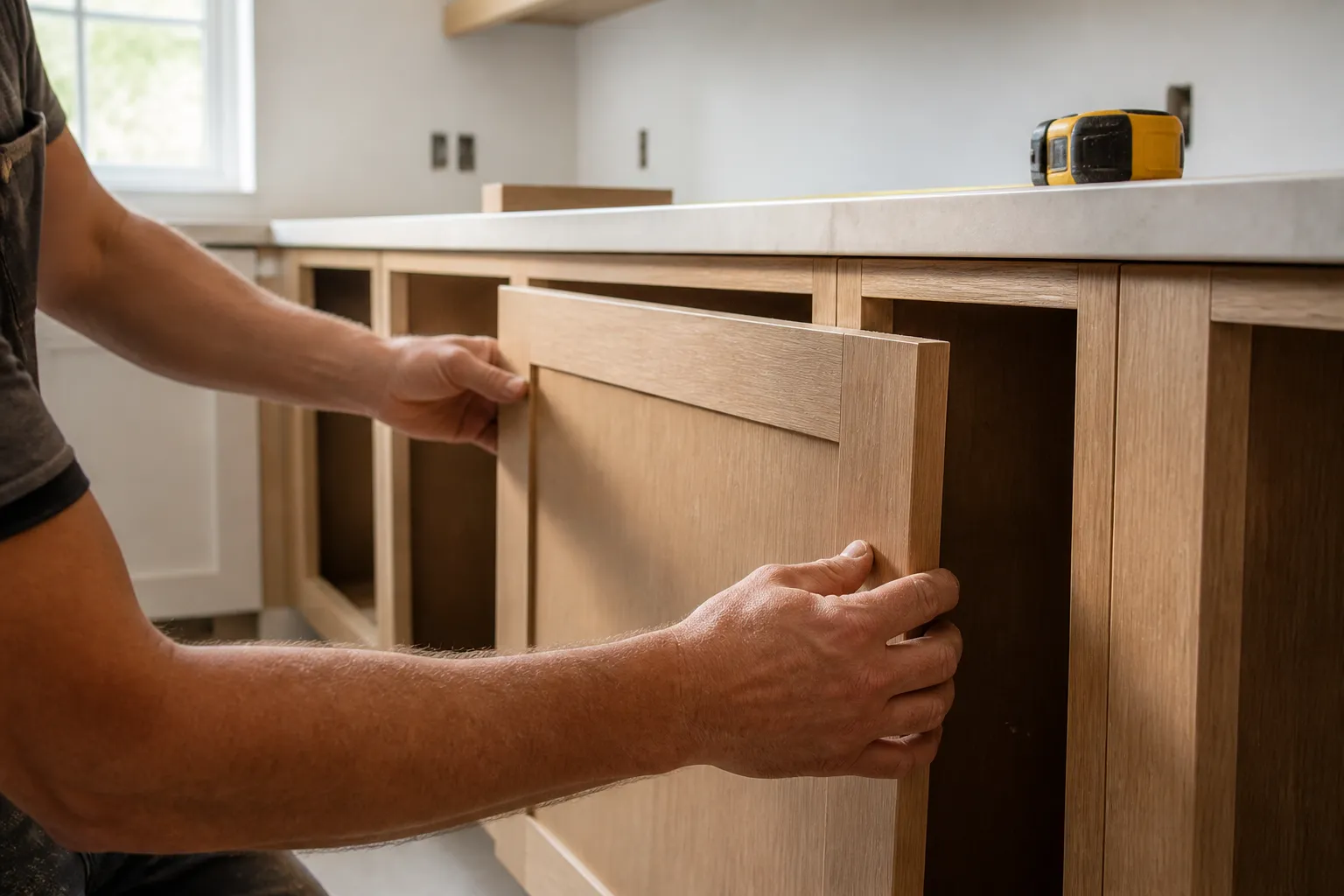
Are you trying to decide whether to reface your kitchen cabinets or tear them out and start over? It is a fair question, and the price gap between the two is large enough that it deserves a careful look before anyone books a visit. This guide walks through typical US costs, what moves the price, how each option works, and what to ask before you sign. All figures are national. Costs vary by state, metro area and the details of your kitchen.
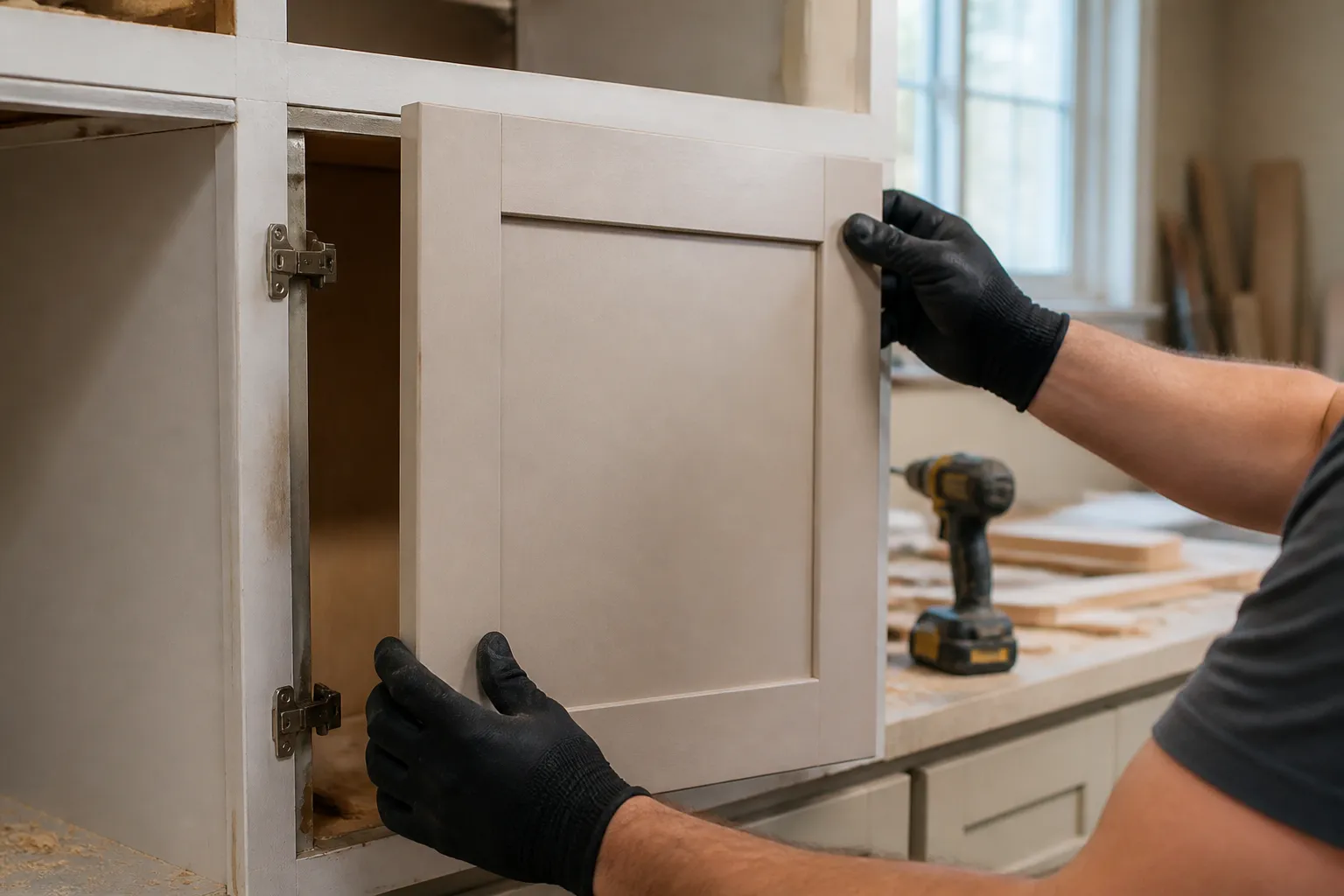
What refacing and replacement cost
Refacing is usually the cheaper route. One consumer guide, last updated in May 2024, puts the national average near $7,220, with a typical range of about $4,500 to $10,500. A remodeling-industry source says refacing can run roughly one-third the cost of a full replacement, and it describes one project where a $60,000 replacement bid was matched by a refaced scope at about half that price.
Full replacement averages around $11,100 nationally, with a typical range of roughly $4,000 to $13,000. Another way to estimate it is by length: stock cabinets are listed at about $100 to $1,200 per linear foot, installed. That spread is wide, so the number of feet you need matters as much as the per-foot rate.
Treat all of these as starting points. Local labor rates and material availability can push a real quote well above or below them.
What drives the price
Most of the swing comes from a short list of factors. Run through it before you request quotes:
- Material quality. Solid wood, custom doors and premium veneers cost more than laminate or stock options. Hardware and finishes add to it.
- Kitchen size and layout. More doors and drawer fronts mean more labor and material.
- Labor and location. Installation can be a large share of replacement pricing.
A layout change deserves its own mention. If you want to move walls, appliances or cabinet runs, you are almost certainly in replacement territory, which is a different cost category from refacing. Also confirm whether each quote includes installation or covers materials only. Per-foot replacement figures include it, and a quote that leaves it out is not comparable.
How refacing works and when it fits
Refacing keeps your existing cabinet boxes in place. New doors, drawer fronts and veneer cover the surfaces you see. Because nothing is demolished, one industry source says a job can finish in days rather than weeks. It did not give a timeline for full replacement, so ask any installer for a written schedule.
The catch is the condition of the boxes. Before you commit, check these three things:
- Are the boxes sound, with no water damage, sagging or rot?
- Are the cabinets made of something other than metal? Sources warn metal is a poor fit.
- Will the layout stay the same?
If any answer is no, refacing is probably the wrong tool. Some refacing kits bundle doors, hinges and hardware into one package, and some contractors price them as fixed-cost materials. That can make a budget easier to predict, but ask exactly what the kit includes.
Doing it yourself versus hiring help
This Old House rates refacing as a moderate-skill project, three out of five, with a DIY cost range of about $1,000 to $5,000. The work means measuring carefully, cutting veneer with a utility knife and applying it cleanly. A crooked cut on a visible door is hard to hide.
Hiring a professional costs more up front. One guide says a pro can avoid costly mistakes and finish faster. Weigh your own skill, tools and free weekends against the price difference. Whichever way you lean, get a refacing quote and a replacement quote for the same kitchen and compare them side by side.
Questions to ask and red flags
Bring this list to every estimate:
- Have the cabinet boxes been inspected and confirmed sound?
- Are the cabinets metal, and does the layout need to change?
- What drives the quote: materials, room size, labor or location?
- Does the price include installation?
- Are materials fixed-price, such as a complete refacing kit?
Watch for a few warning signs. A quote that skips the box inspection can lead to a callback or added cost later, since refacing fails on damaged boxes. A price far outside the typical national ranges is worth questioning. Budget drift is common too: a Houzz survey cited by one industry source found 37 percent of projects ran over budget, and higher-than-expected product and service costs drove more than half of those overruns.
The sources here do not cover licensing, insurance, warranties or payment terms. Check those with your state or local licensing authority and directly with the contractor, in writing, before you sign. This is general information only, not personal financial or legal advice, so consider talking with a licensed professional about your own project.
Sources
Still have a question?
Related guides
-

Upgrading to 200 Amps Without the Surprise Bill
Panel costs are only part of the story, so here is what a 200 amp upgrade typically runs, what can get added on, and what to ask before you sign. By Neil Ostrander
-

Tank or Tankless? How to Compare Water Heater Bids on Equal Terms
Learn how tank and tankless units differ, and which details a written plumber's quote should spell out so three bids can be compared fairly. By Renata Okafor
-

Find the Water First: A Practical Guide to Deciding on Mold Testing and Cleanup
Before anyone runs a sample or quotes a job, the moisture source and the size of the visible patch settle most of the decision.By Gideon Aldaine