Replacing Your Heating and Cooling System: What to Check Before You Sign
A practical walk through cost drivers, installation quality, and the questions that separate a sound bid from a costly mistake.
 By Renata Okafor ·
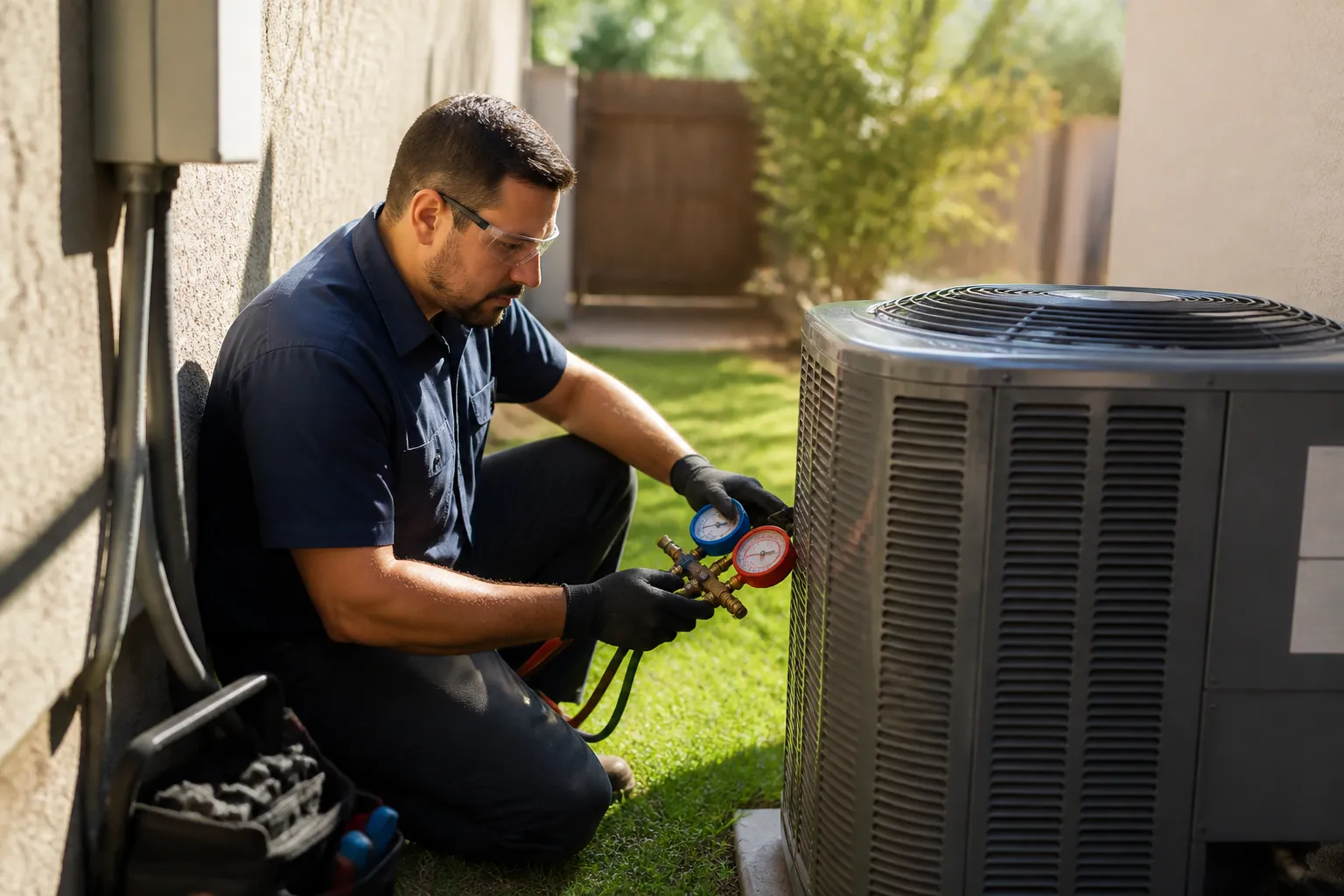
Is your system pushing 12 years old, costing more to fix every summer, and sending your energy bills up for no clear reason? Then you are probably wondering what a replacement runs and who should install it. This guide walks through the cost drivers, the installation steps that matter most, and a short list of questions to ask before you sign anything. It is general information, not personal financial or home advice, so check the details with a licensed contractor and your state's consumer office.
Why replacement is a major decision
A heating and cooling system is one of the largest purchases a homeowner makes, so it pays to slow down before accepting the first quote. ENERGY STAR suggests considering replacement when equipment is more than 10 years old, needs frequent repairs, or when bills keep climbing. Before you decide, ask a few things:
- What exactly is failing, and can a repair or maintenance fix it?
- How old is the equipment, and what has it cost to keep running lately?
- Is the problem the equipment, or the ducts and airflow around it?
Dirt and neglect are among the most common causes of system trouble, so a cleaning or tune-up is worth ruling out first. Replacement can also be a chance to change system type. According to ENERGY STAR, a heat pump can often replace a central air conditioner for a modest added cost, and because it heats and cools, it may let you eliminate a furnace or install a smaller one.
What drives the cost
Price depends on the type of equipment, the size of the home, the condition of the ducts, the efficiency level you choose, and how much labor the job takes. Two quotes for the same house can differ widely because they propose different equipment or different installation work. That is why a single number from a website is a weak guide.
I did not find reliable national dollar ranges in the sources behind this guide. Many published cost pages are commercial and carry advertiser ties. Costs also vary by state, by local labor rates, and by your home's layout. The practical fix is simple:
- Get at least three written bids for comparable work.
- Ask each contractor to name the equipment model and efficiency rating.
- Check with your state consumer protection office for local pricing guidance.
Federal tax credits for energy-efficient home improvements may lower the net cost of qualifying equipment. The IRS publishes the current rules and limits, and they change, so read the IRS energy efficient home improvement credit page and confirm eligibility with a tax professional before building a credit into your budget. ENERGY STAR certified equipment is a useful filter when comparing products, though efficiency is only part of the picture.
Why installation quality matters as much as equipment
Improper installation is a leading cause of system failures. A high-efficiency unit that is oversized or poorly charged can underperform the older system it replaced. Oversized equipment cycles on and off too often, which hurts comfort and causes extra compressor wear and a shorter life. According to ENERGY STAR's quality installation guidance, a contractor should size equipment from your home's actual characteristics, not a rule of thumb based on square footage.
A quality installation generally covers:
- Equipment sizing based on measurements of your home
- Airflow set to manufacturer specifications
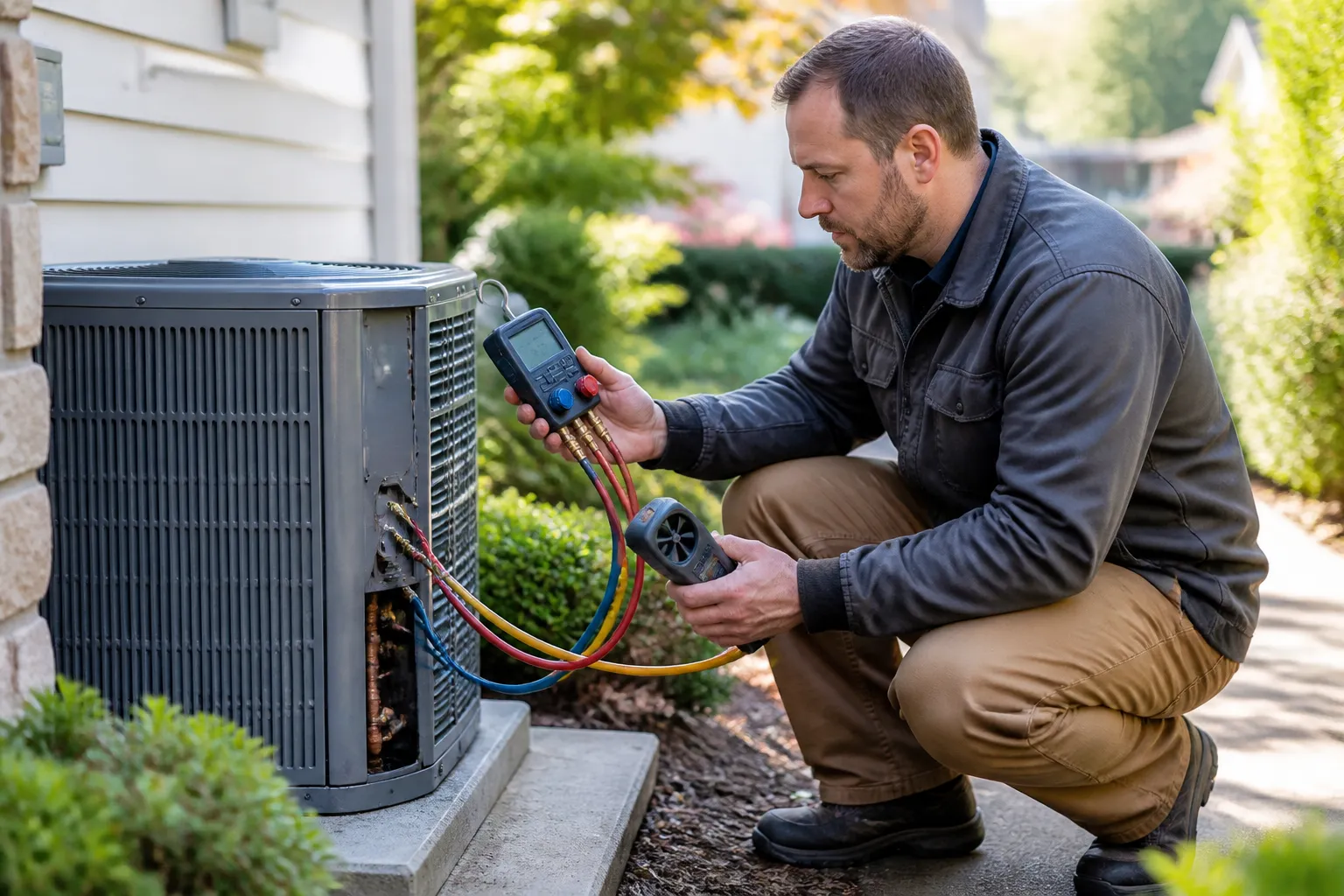
- Proper refrigerant charge
- A duct evaluation that includes a leakage test, with repairs where needed
Ask for these steps to be written into the proposal so they are part of what you pay for. The Air Conditioning Contractors of America (ACCA) runs a Quality Assured Residential Services and Installation program and lists accredited contractors, which is one place to look. Accreditation is a starting point, not a substitute for checking everything else here.
How to compare installers and bids
Start with the license. Many states require one to install and repair heating and cooling equipment, and your state licensing board can tell you whether a license is active and whether complaints are on file. Then ask every contractor the same questions, so the answers line up:
- Is the equipment sized from measurements of this home, not a rule of thumb?
- Will you measure airflow and meet manufacturer specifications?
- Will you test and adjust the refrigerant charge?
- Will you inspect the ducts, run a leakage test, and repair leaks?
- Are you licensed for this work in my state?
Next, ask for written bids that list the equipment model, efficiency rating, sizing method, duct work, permits, warranty terms, and cleanup. A proposal that shows only a total price makes it hard to know what you are buying. ENERGY STAR publishes a bid comparison checklist that helps you line proposals up side by side. If a maintenance agreement is part of the offer, compare its written terms against what the salesperson told you. ACCA's Residential Quality Maintenance Checklist can help, and any mismatch should be cleared up before you sign.
Red flags and protecting yourself
Be cautious if a contractor does any of the following:
- Sizes equipment by rule of thumb
- Refuses to test refrigerant charge or airflow
- Resists putting the process in writing
- Offers maintenance terms that differ from what was described in the interview
Pressure tactics are common in home improvement scams. The Federal Trade Commission warns about urgent deadlines, large upfront payments, and unsolicited offers. Paid search placements can also put dishonest companies at the top of results, so verify a license and reviews through independent sources before you call.
Warranty terms, financing, permits, and inspections were not fully covered in the sources I used. Confirm them with your state and local building authority and in the contract itself. Then keep a folder with the bids, contract, warranty papers, permit records, and proof of payment. If the finished job does not match what was agreed, that paper trail is what you will need.
Sources
- Search | ENERGY STAR
- HVAC Quality Installation | ENERGY STAR
- Clean Heating and Cooling | ENERGY STAR
- Energy Efficient Home Improvement Credit | Internal Revenue Service
- How To Avoid a Home Improvement Scam | Consumer Advice
- Downloads - Public Files - ACCA
- ACCA HVAC Quality Installation Checklist: Guide for Contractors
- HVAC Replacement Cost Calculator: Your Complete Guide to System Replacement (2026)
Still have a question?
Related guides
-

Upgrading to 200 Amps Without the Surprise Bill
Panel costs are only part of the story, so here is what a 200 amp upgrade typically runs, what can get added on, and what to ask before you sign. By Neil Ostrander
-

Tank or Tankless? How to Compare Water Heater Bids on Equal Terms
Learn how tank and tankless units differ, and which details a written plumber's quote should spell out so three bids can be compared fairly.By Renata Okafor
-

Find the Water First: A Practical Guide to Deciding on Mold Testing and Cleanup
Before anyone runs a sample or quotes a job, the moisture source and the size of the visible patch settle most of the decision. By Gideon Aldaine