Screened Porch or Sunroom: What to Expect Before You Get Bids
Local price examples, a line-item bid checklist, and the questions to ask before you hire, with the gaps in current data made clear.
 By Neil Ostrander ·
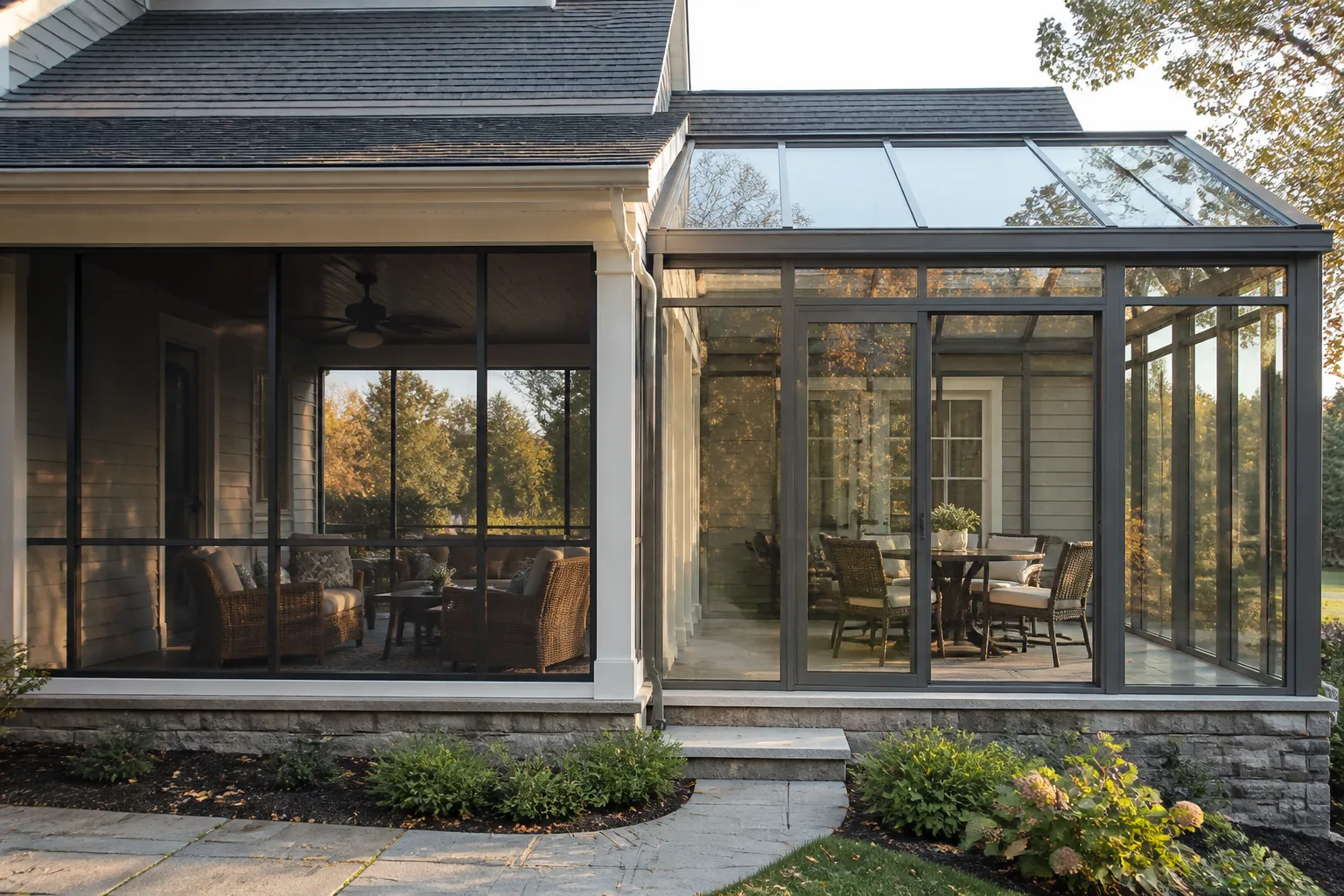
Are you trying to figure out what a screened porch or sunroom will really cost before you call anyone? The honest answer starts with a caveat: the sources behind this guide are local to a few metro areas, so treat every dollar figure below as a regional example, not a national price tag. This is general information only, not personal financial, legal or medical advice, so check specifics with licensed professionals in your area.
A single percentage promised as a guaranteed return is a sales pitch, not a measurement.
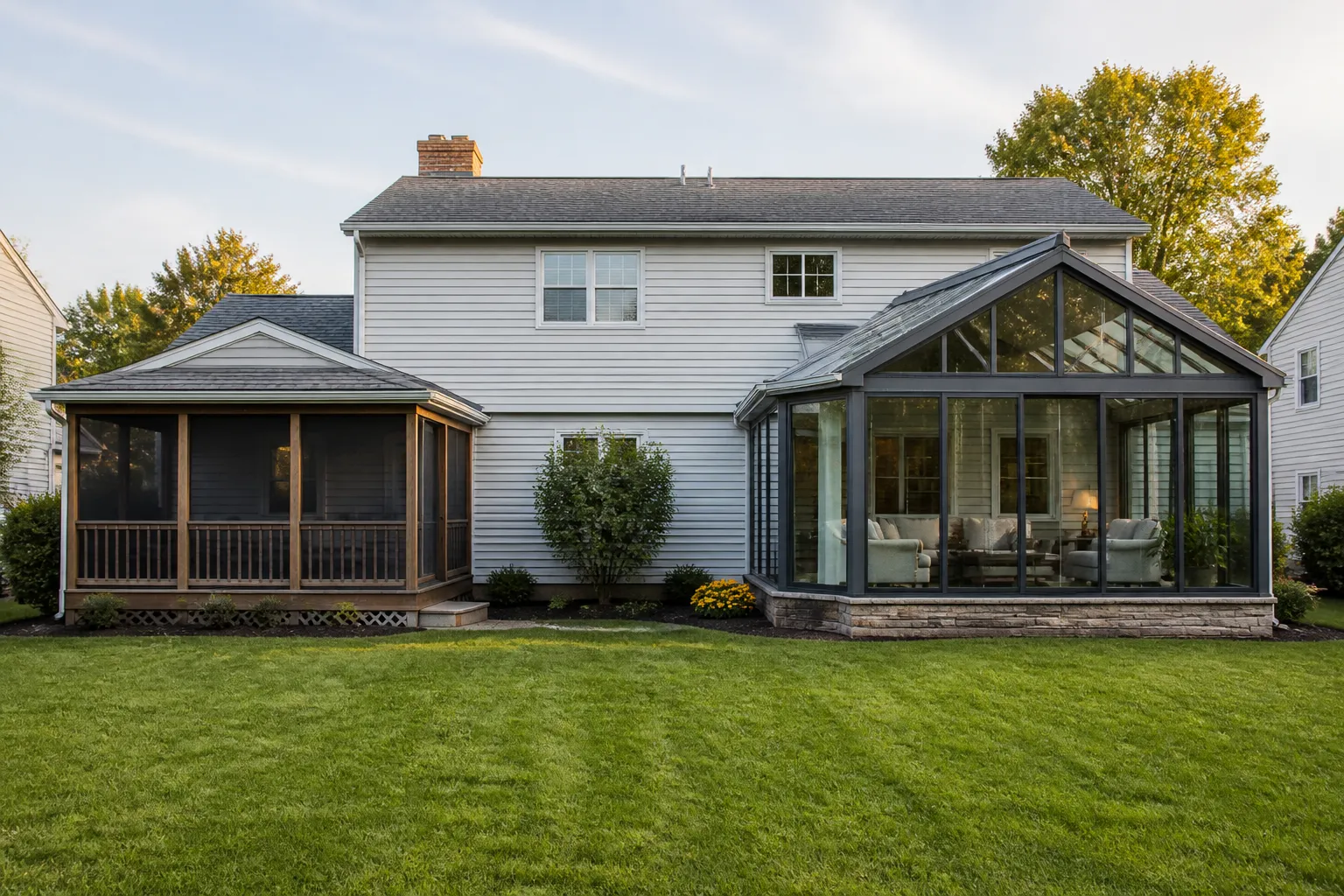
What a screened porch or sunroom typically costs
Price swings with size, materials, foundation work, roofing and whether the room is fully enclosed with heating and cooling. The most specific screened porch figure in our research comes from the Twin Cities, where pricing typically starts around $40,000. For a four-season sunroom, one Atlanta-area contractor uses a well-built $50,000 room as its example. Both numbers come from one market and one moment. More glass, a higher-end roof or heavy site preparation can push a project well above them.
We found no current national or state-by-state range, so the most useful step is to get real bids. Ask each contractor to split the price into the same parts:
- Foundation or slab
- Framing
- Roofing
- Windows or screening
- Electrical
- Heating and cooling
- Finish work
Two bids can land on the same total and still cover very different scope. A line-item breakdown shows you where.
How cost relates to home value
Will the room pay for itself at sale? One Atlanta contractor estimates that a well-built sunroom adds roughly 4 to 8 percent to home value, or about $10,000 to $50,000 for many homeowners. Its example: a $50,000 room might raise value by about $20,000 to $28,000, which implies recovering roughly 48 to 55 percent of the cost. Those are a local builder's estimates, not outcomes anyone can promise.
Much depends on whether the space counts as official living space where you live. A fully enclosed, heated and cooled room is more likely to qualify than a screened porch. A local appraiser or real estate professional can tell you how your market treats each one.
Be careful with national comparisons. The National Association of REALTORS reports high resale recovery for patios and wood decks, up to 95 percent of cost, but those are different projects, and the source notes NAR does not track sunrooms specifically.
Screened porch or sunroom: how to choose
Start with a simple question: how many months a year do you want to use it? A screened porch is usually the cheaper option, but in the Twin Cities it is comfortable only from about late May through mid-September. A sunroom, typically built with floor-to-ceiling windows and sometimes vaulted ceilings, gives light and year-round use if it is fully enclosed. It also costs more to build and to run.
Walk through your own plans in order:
- Name the main use: summer dinners, a reading nook, a winter home office.
- Check how long the space is comfortable in your climate.
- Ask whether it would count as living space.
- Compare the price gap against what you would actually use.
Covered outdoor rooms also help with privacy and with how space is used around the house. In a 2022 survey of design professionals cited by NAHB, 73 percent ranked such features high. Our sources do not cover insulation, energy costs or maintenance for year-round rooms, so ask the contractor and a local building or energy professional about those separately.
Questions to ask before you hire
Good questions turn a sales visit into a comparison. Bring this list:
- Will the finished space count as official living space in my area?
- How many months a year will it be comfortable here, and what would extend that?
- How is the price set? Some builders use a cost-plus contract after a consultation to set a budget before design.
- What does the contract cover, how are changes priced, and what happens if costs rise?
- Is a free estimate or consultation offered before design?
A free estimate is useful for comparing scope and price. It is still a sales step, not proof of the final cost or the value added.
Red flags and what the sources leave unanswered
Watch for a single percentage presented as a guaranteed return. Value depends on size, quality, local demand and classification of the space. Also be wary of pages that lean on glossy images and consultation offers without a written scope. Ask for written bids you can compare line by line.
Several gaps remain. We found no national cost range, nothing on permits or building codes, nothing on contractor licensing, and nothing on financing. Before you sign, call your local building department about permits, verify any contractor's license with your state licensing board, and talk to a licensed financial professional about how you would pay for the work.
Sources
- Sunroom & Family Room Addition | MHG Contracting Portfolio
- Top Remodels That Add Value to Your Home | Great Day Improvements
- 5 Ways to Freshen Up That Home’s Curb Appeal
- How Much Does a Sunroom Increase Home Value in Atlanta?
- What’s Driving Outdoor Living Trends? | NAHB
- https://vertexaisearch.cloud.google.com/grounding-api-redirect/AUZIYQHc81gdBkF9AfnLmUQI3mNdmebN4RIYMH74JCAD8I5LUklqho13NcT56y1dTdSFgg7fllAoyEfIJZiNlo4XOshmnqBbDxjHqh_wq5F3Mz22GwUBcmFqgJACEckr4kfmN6U80r9ba8UrnjQ_plroSlnfp46x_1G7q911MF3U85yprPebkX7FLL8YipMrqadk9kDEGOsohqQ1Mj0qKSGhlLqL0x4cE5DxxaEl7tn2DwKw619tIkn-UCWLQKLCxiZ5gMswGfa8RpkvEOZACne6E3HTVLS7pC3DyoUDxKP6eq4=
- https://vertexaisearch.cloud.google.com/grounding-api-redirect/AUZIYQEsRNQ3HX4xvDysljpPY0VtlHZOimaoXM91nUTXQQLq3oIrrwP6nqGnxqMc0_trglloGlJY8KF4dRtQuh_mrFY1tAqAiqxmHSyinBquPglZT3-a0NYfXmI2UjdrlxiTggRnVHDuTxWtGXwepzoM7F4mNngc5uIESTqokchPeeQr5fw9a7WV1pR-kv1JEVag9WdLu6OPVoPCB1hl401akM7uCd3ON-nkHOYJsx48oCSTYZ3GnSSmgaTHsRW5mgE=
- Sunroom vs. Screened Porch: Which One Fits Your Home?
Still have a question?
Related guides
-

Upgrading to 200 Amps Without the Surprise Bill
Panel costs are only part of the story, so here is what a 200 amp upgrade typically runs, what can get added on, and what to ask before you sign.By Neil Ostrander
-

Tank or Tankless? How to Compare Water Heater Bids on Equal Terms
Learn how tank and tankless units differ, and which details a written plumber's quote should spell out so three bids can be compared fairly. By Renata Okafor
-

Find the Water First: A Practical Guide to Deciding on Mold Testing and Cleanup
Before anyone runs a sample or quotes a job, the moisture source and the size of the visible patch settle most of the decision. By Gideon Aldaine