Stucco Repair or Full Installation: How to Tell What You Need and What It Costs
Sorting your job into repair or replacement before you get quotes makes estimates easier to compare and keeps the numbers in context.
 By Gideon Aldaine ·
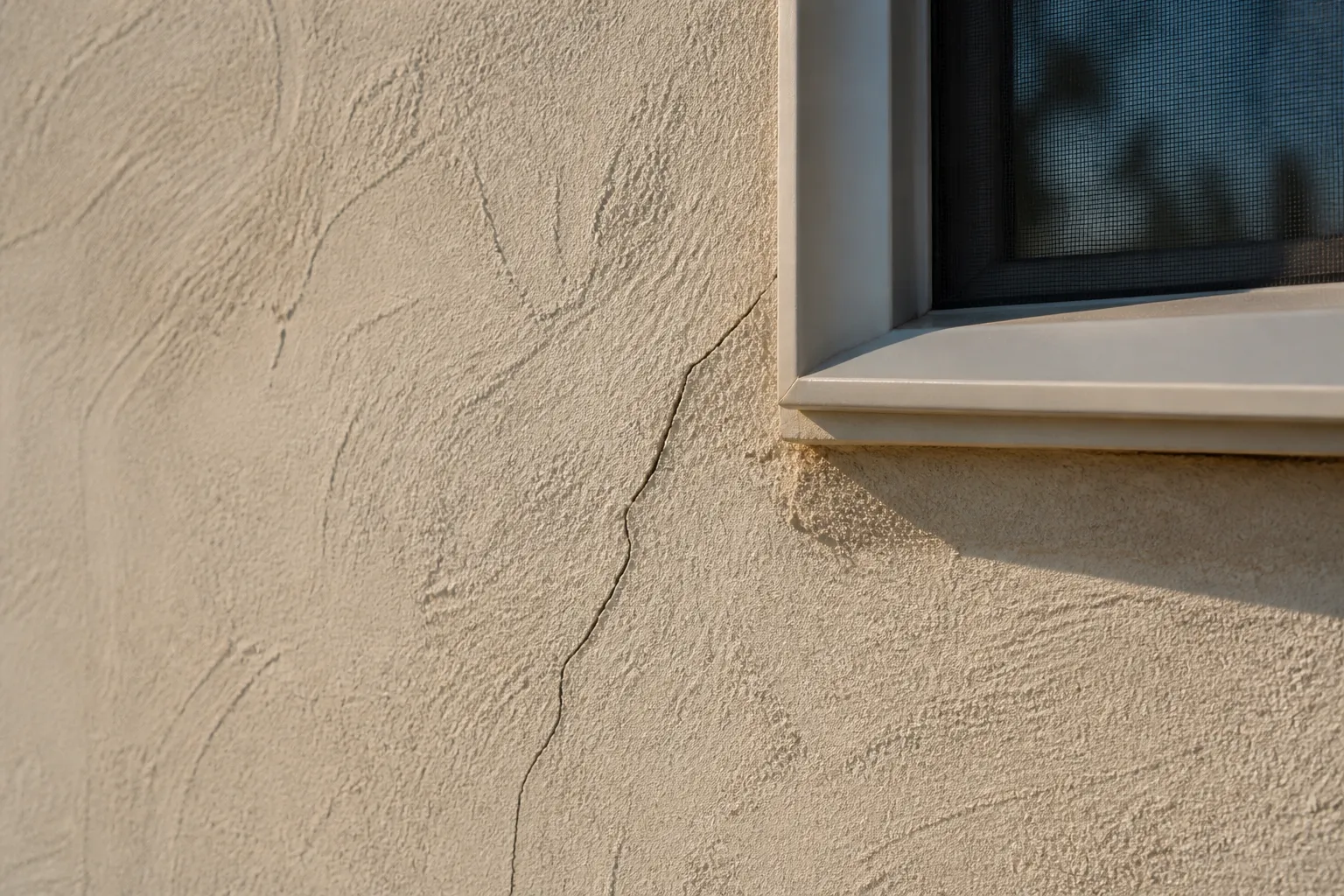
Is that crack in your stucco a ten-minute patch or the first sign of a bigger bill? It helps to sort the job into two buckets before you call anyone: repairing the wall you have, or installing stucco from scratch. The prices are very different, and mixing them up is the fastest way to get confused by an estimate. This guide walks through both, with US ranges that vary by state and by the details of your house.
One note before the numbers. This is general information, not personal medical, legal or financial advice. A licensed contractor who has looked at your wall in person is the right person to scope and price the work.
What stucco repair typically costs
Repair is the reason most people land on this topic. One published US estimate, last updated in July 2023, puts a typical stucco repair between about $599 and $2,559, with a national average near $1,552. Treat that as a starting reference, not a quote. Local labor rates and the state you live in can move it up or down.
The biggest swing is the extent of the damage. A few hairline cracks on a small wall will usually cost far less than patching large areas of crumbling or soft stucco. In the worse cases, failed material may need to come off down to the substrate before anything new goes on.
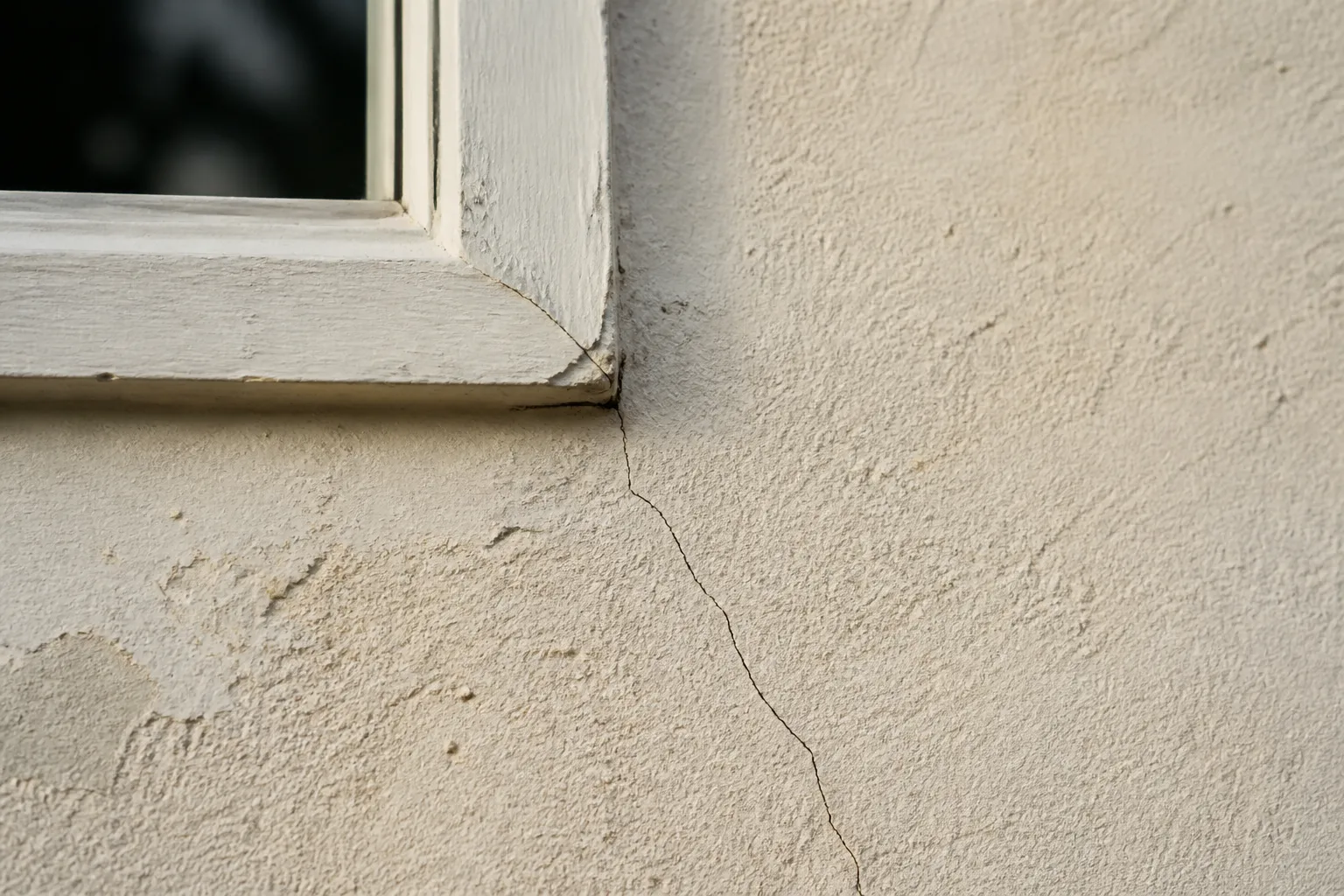
The cause matters too. Repeated cracking, staining or buckling can point to moisture behind the wall or movement in the structure. Fixing only the surface may not solve it, so the bill can grow once someone opens things up.
What stucco siding installation costs
Full installation is a separate job. Do not compare it with repair estimates. Published national figures run about $9,500 to $11,500 for a 1,500 square foot exterior with standard trim, averaging near $10,500.
One widely cited guide gives these installed ranges by size:
- 500 square feet: about $3,000 to $4,000
- 1,000 square feet: about $6,000 to $8,000
- 1,500 square feet: about $9,000 to $12,000
- 2,000 square feet: about $12,000 to $16,000
- 2,500 square feet: about $15,000 to $20,000
Most installed stucco lands around $6 to $8 per square foot for a traditional three-coat system. Decorative finishes can push that higher, and thin-coat systems may come in lower. Newer insulating systems, such as EIFS-style stucco, can cost considerably more. The high end for a 1,500 square foot home in that guide is about $18,000. The same guide notes that stucco has lower material costs but higher installation costs than many other sidings.
Factors that move the price
Think of the price as a short checklist. Each item below can change your number.
- Wall area. More square feet means more of everything.
- Labor and access. Labor usually outweighs materials, so height, number of stories and difficult access add cost.
- Type of stucco. Cement-based, lime-based, fiber-reinforced, acrylic-modified and decorative textured finishes all differ in material and skill needed.
- Type of repair. A small patch and a large removal and rebuild are priced very differently.
- Location. Labor rates and material supply vary by state, and the sources I found give national averages only.
- Can I get a written estimate that lists the scope of work, the materials and the likely cause of the damage?
- Will you check for moisture or structural problems, not only the visible crack?
- What licensing and insurance does my state require, and can you show proof?
- What warranty applies to the repair, and what does it cover?
Climate plays a quiet role as well. Stucco is applied wet and dries onto the wall, and it is mostly found in warmer regions because it handles freeze and thaw cycles less well. Newer materials are said to cope better, but it is worth asking a local pro what holds up in your area.
How to decide and what to ask
Handy homeowners may manage minor damage themselves. Extensive damage is better left to a licensed professional with stucco experience, since the goal is to restore weather protection, not just hide a crack.
Before you sign, work through these questions:
Then watch for red flags on the wall itself. Long thin cracks, staining, buckling, crumbling, soft spots or gaps around windows all deserve a closer look. A very low bid that never mentions the cause of those signs may be skipping the real problem.
Gaps in the published information
Be a little skeptical of any single number, including the ones above. The sources I reviewed give national averages but no state-by-state breakdown. They also do not offer a clear repair-versus-replacement comparison, so there is no solid rule for when replacing a wall beats repeated repairs.
Guidance on comparing quotes, what a complete estimate contains, licensing rules and warranty terms was thin. Practical methods such as patching, crack sealing and recoating, plus maintenance schedules, were not covered in enough detail to rely on. Some sources were also unreadable or cut off. So check these figures against current local quotes, and get a licensed contractor's assessment before you decide.
Sources
- https://vertexaisearch.cloud.google.com/grounding-api-redirect/AUZIYQF3MKbTRmf8M_F_e2GMDKVMVoaGjnkCpajbW96YrK7_6WOdufqt_fiNoMC4Xcu7ntKOBpXRwV7IWYwzSwf3d5mF6wNR0vlTSF6bHHhEo5fbW3gMA27nAY3Y-w61Nj7m4dpsfJkuozjzroQXMXgC4g==
- https://vertexaisearch.cloud.google.com/grounding-api-redirect/AUZIYQGNWAUy7PhXXclQ32YWXaTmWU0-WB0K_IIw5QMd2lfjWNCJKnal_EyL6qpBJzTi_UMerL1OvX6LQZS2rfrKBWDGeh_dQ8XX7YR8QkJbLPHCWDxCR8oIZSAV8V-tVnveMmnAhc4tiPG_puQRBAFZ9ng7iqBLP9B8D1O678eD__VWkFEWXMyMNkGMlfaXn1_9Ng_R
- Stucco Repair Cost: DIY vs. Pro (2026 Guide)
- Cost to Stucco a House | Stucco Siding Cost | Fixr.com
- Stucco Repair: How Much Does It Cost? (202) - Bob Vila
- Siding Repair Cost: What to Know and How Much You'll Pay
Still have a question?
Related guides
-

Upgrading to 200 Amps Without the Surprise Bill
Panel costs are only part of the story, so here is what a 200 amp upgrade typically runs, what can get added on, and what to ask before you sign. By Neil Ostrander
-

Tank or Tankless? How to Compare Water Heater Bids on Equal Terms
Learn how tank and tankless units differ, and which details a written plumber's quote should spell out so three bids can be compared fairly. By Renata Okafor
-

Find the Water First: A Practical Guide to Deciding on Mold Testing and Cleanup
Before anyone runs a sample or quotes a job, the moisture source and the size of the visible patch settle most of the decision.By Gideon Aldaine