What a Bedroom Door Replacement Really Costs, and What Your Quote Should Include
Price ranges for swapping an interior door vary widely, so confirming exactly what each estimate covers is the best way to compare them.
 By Renata Okafor ·
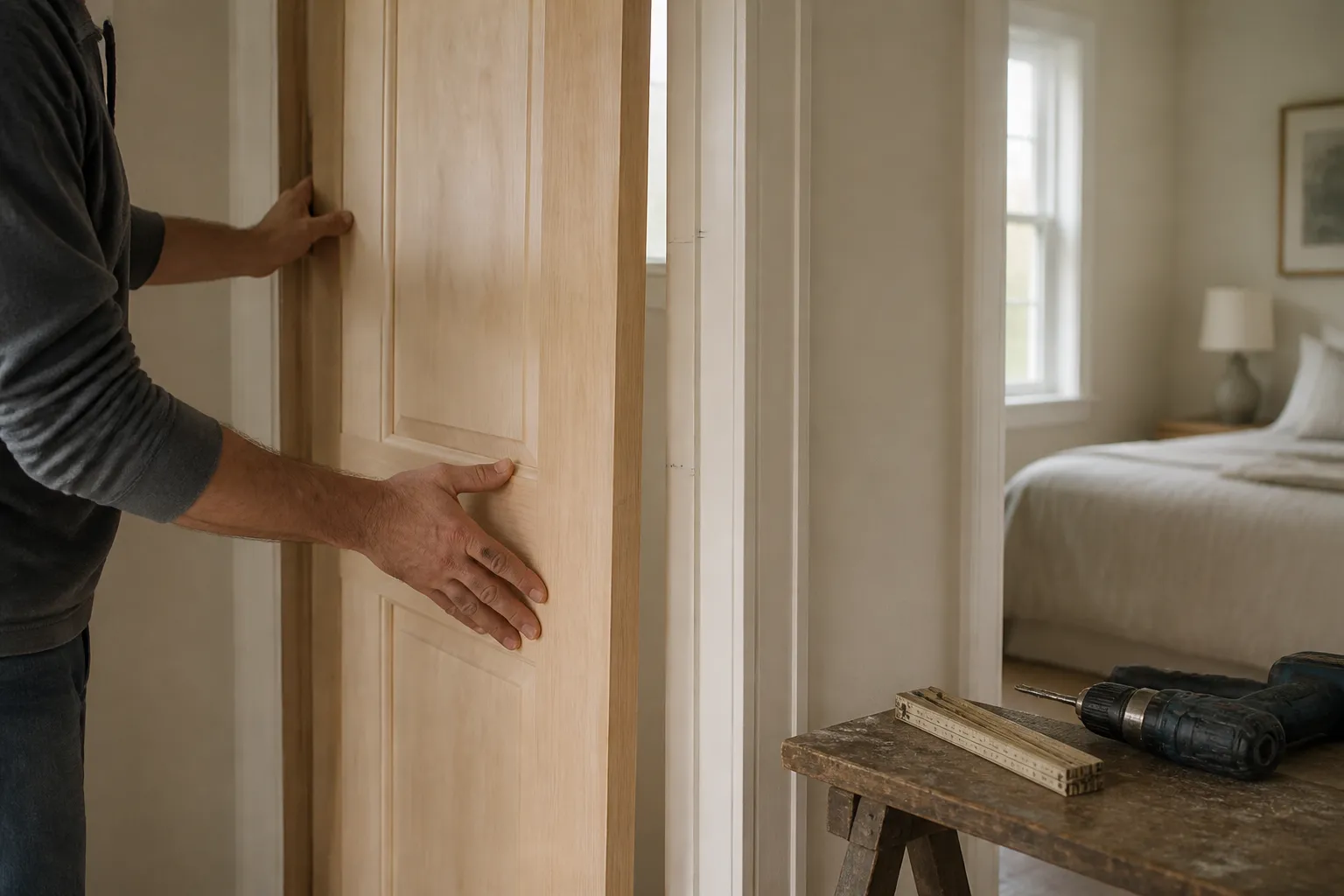
Planning to swap out a sticking bedroom door and wondering what the bill will look like? Published estimates for interior door replacement run from a few hundred dollars to a couple of thousand, and the gap comes mostly from what each quote includes. This guide walks through the numbers, what moves them, how the work is done, and what to ask before you say yes. It is general information only, so confirm details with a licensed professional in your area.
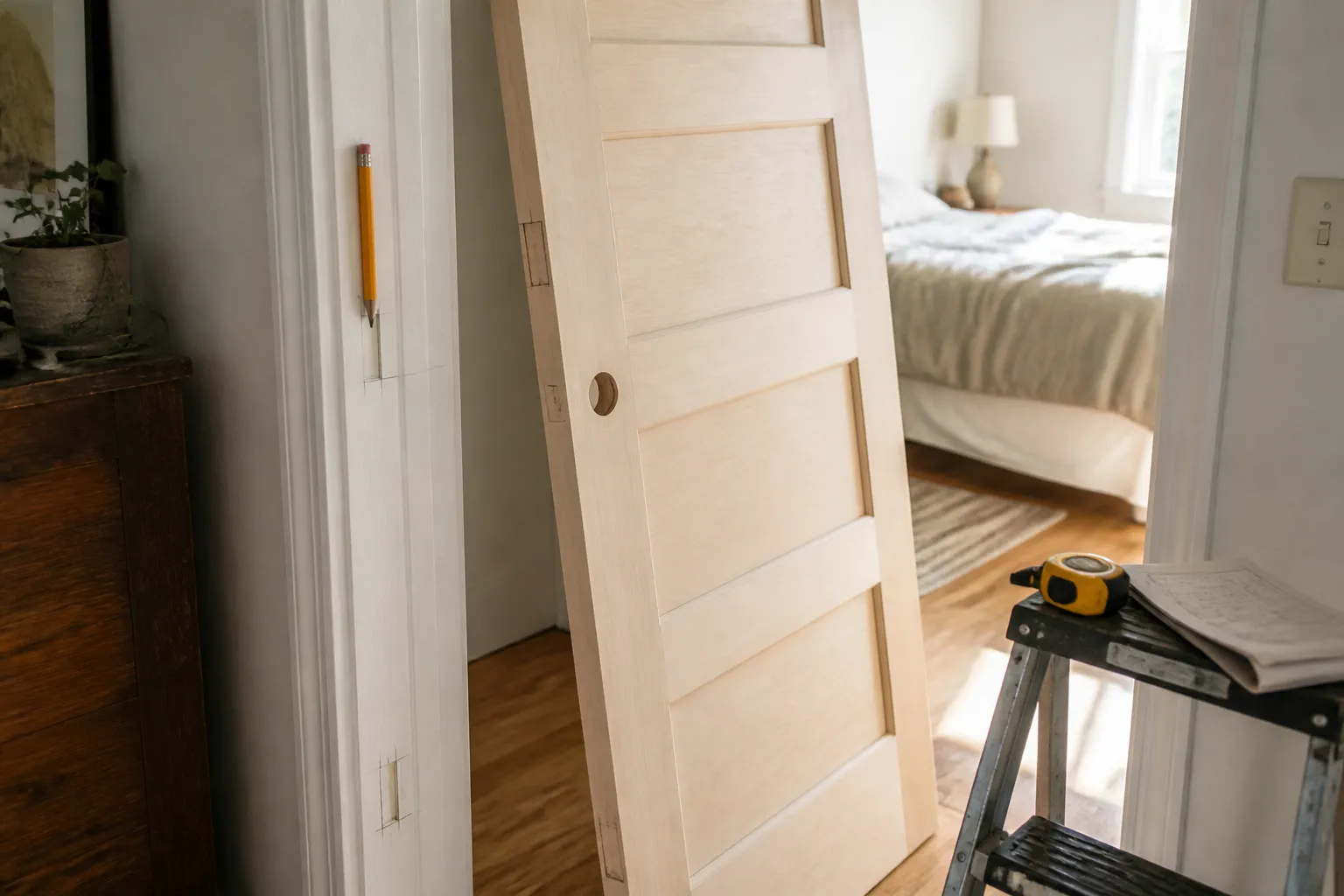
What interior door replacement typically costs
Start with the benchmarks, and treat them as rough national figures rather than quotes for your house. One cost guide gives a typical range of about $363 to $1,241 per interior door, with an average near $802. The wider project range it cites is $150 to $2,700. A second guide covers door installation in general, interior and exterior together, and lands at about $496 to $1,872, with a national average near $1,160. A national cost calculator prices a basic example job at roughly $444 to $675 per door.
Why do the numbers disagree? Mostly scope. A low figure may cover only the labor to hang a slab door in a frame that is already there. A higher one may include trim, a finished door, better hardware, and hauling away the old one. Costs also vary by state and locality, so check current figures for your area.
Before you compare anything, confirm that every estimate covers the same work.
What drives the price
The door itself is a big variable. Hollow core doors cost less, and solid wood costs more. Size, style, material, and finish all shift the total. As one example, a calculator lists a popular 30-inch by 80-inch hollow core six-panel slab door, primed for paint, at roughly $74 to $113 at retail. That is the door only, not the installed price.
The opening matters just as much. If the existing frame is sound and the new door fits, the job is simple. If the frame, jamb, or trim needs work, or the wall material makes things harder, labor and materials go up. Local labor rates and demand for skilled carpenters play in too.
Extras are where budgets slip. Keep this checklist handy:
- Lockset, hinges, and other hardware upgrades
- Painting or staining the door
- Moldings or casing
- Frame or trim repair
- Removal and disposal of the old door
Estimates generally assume favorable site conditions. Schedule pressure, local labor shortages, premium materials, and custom products can push the final bill higher. Some pricing also carries a minimum labor charge, such as two hours, which matters on a small job.
How the installation works
Replacing a door usually means fitting a new one into the existing frame, which is less work than replacing the frame too. First the old door comes out. That means detaching it from its hinges and adjacent surfaces, removing the hardware, and hauling it away. Some quotes include this step and some do not.
Then, for a slab door, the installer typically:
- Measures the opening.
- Trims and planes the door to fit the jamb.
- Cuts the hole for the lockset.
- Mortises the hinge pockets.
- Fits the strike plate on the jamb.
These steps are why the work is billed as skilled carpentry rather than a simple swap. Some homeowners with basic carpentry skills do it themselves and save on labor. It still takes careful measuring and accurate trimming, and the door has to swing and latch correctly. If the frame is damaged or out of square, or the opening needs structural changes, a professional is usually the better call.
How to choose a professional and what to ask
A local carpentry professional can make sure the door swings evenly, latches properly, and does not stick, and can help you avoid framing problems that show up later. That matters most when the door is part of a visible remodel.
Get more than one quote. One source suggests up to three, so you can compare scope and price side by side. Ask for a written quote with line items, and use each estimate as a starting point for a conversation about your specific project, not a final price.
Questions worth asking:
- Does the quote include the lockset, finishing, moldings, frame or trim work, and hardware?
- Is removal of the old door included? What about debris disposal?
- Which door type and material is priced, and how would a different choice change the total?
- Is there a minimum labor charge or any condition that could add cost?
A red flag is a single lump-sum number with no detail. If you cannot tell what is covered, you cannot compare it.
Reasons you may need a new door
Common signs include a door that sticks or is hard to open and close, hinges that creak even after adjustment, cracking or warping, and pest damage. An outdated look or a wish for better security can also justify the cost.
Before you commit, check whether a repair would do the job. Adjusting the hinges, replacing the strike plate, or refinishing the surface can fix some problems for far less. Replacement makes the most sense when the door itself is damaged or no longer fits the opening. A licensed professional can assess your situation and help you decide.
Sources
- Cost of Installing an Interior Door [2026 Data]
- Door Installation Cost Guide: Interior & Exterior | Mr. Handyman
- Cost to Install Interior Door - 2026 Cost Calculator (Customizable)
- Budget Breakdown: How Much Does Door Installation Cost?
- Door Installation Cost 2026: Ranges, Labor, Line Items
- How To Replace an Interior Door: A Step-by-Step Guide
Still have a question?
Related guides
-

Upgrading to 200 Amps Without the Surprise Bill
Panel costs are only part of the story, so here is what a 200 amp upgrade typically runs, what can get added on, and what to ask before you sign. By Neil Ostrander
-

Tank or Tankless? How to Compare Water Heater Bids on Equal Terms
Learn how tank and tankless units differ, and which details a written plumber's quote should spell out so three bids can be compared fairly.By Renata Okafor
-

Find the Water First: A Practical Guide to Deciding on Mold Testing and Cleanup
Before anyone runs a sample or quotes a job, the moisture source and the size of the visible patch settle most of the decision. By Gideon Aldaine