What a Home Addition Really Costs, and How to Build a Number You Can Trust
No public source here gives a dollar range for an addition, so this guide explains what the data does show and how to price your own project through itemized bids.
 By Neil Ostrander ·
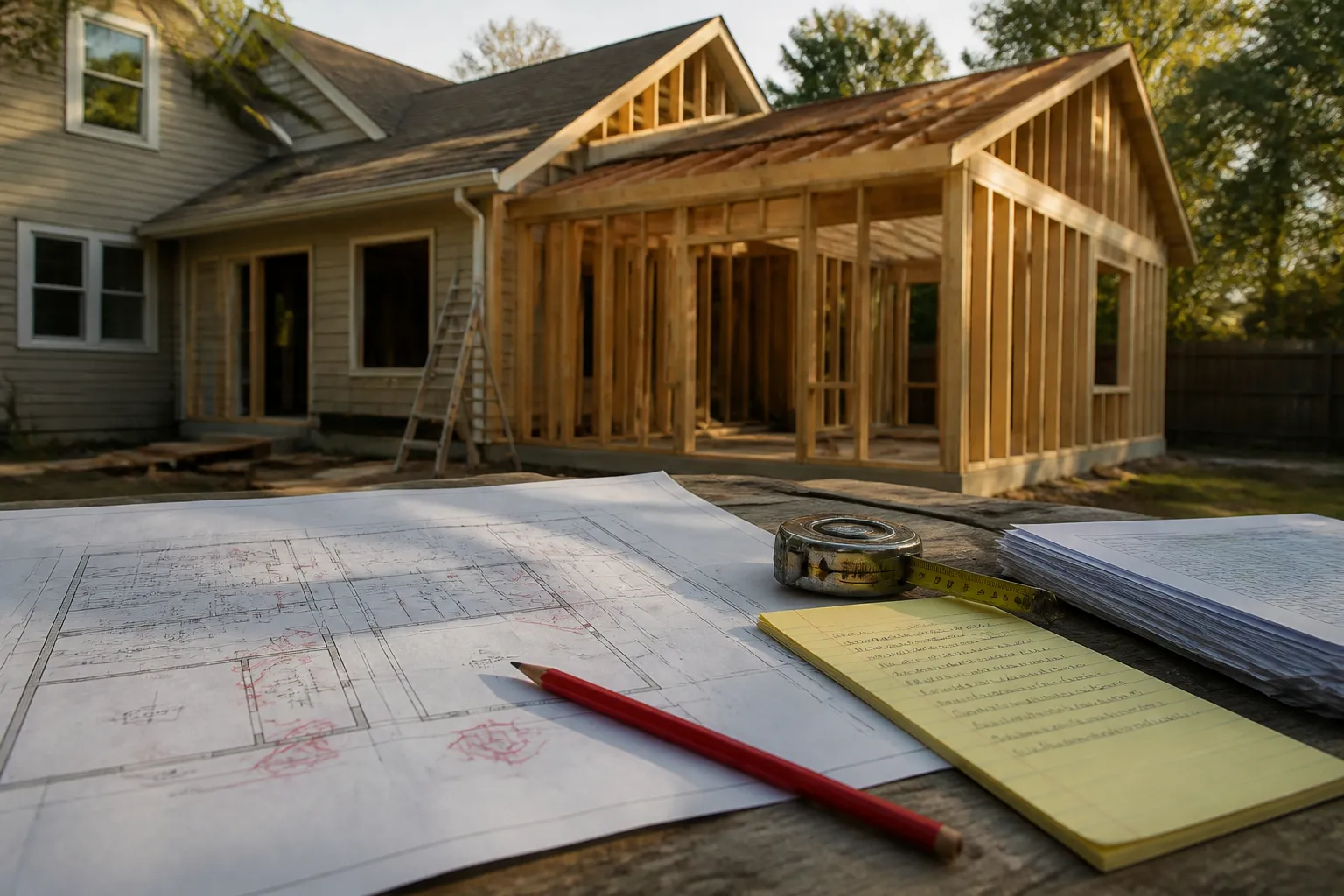
How much does a home addition cost? It is the first question almost everyone asks, and the honest answer is that the public sources behind this guide do not give a dollar range for one. They tell us how common additions are and who is paying for them. They do not price a bedroom, a bump-out or a second story. So this guide covers what is known, what is missing, and how to build a number you can trust for your own house.
No source here gives a cost range for an addition by square footage, room type or structure. Any range you find elsewhere should be checked for size assumptions, date and region.
Where home additions fit in remodeling
Room additions ranked fourth among the most common remodeling projects in 2025, according to NAHB's survey of remodelers. About 42% of those remodelers rated them common to very common. Bathroom, kitchen and whole-house remodels ranked ahead of them.
The wider market is large. An estimated $670 billion was spent on remodeling in 2024 by roughly 20 million households, close to one in four owner-occupied homes, according to NAHB's look at who is fueling the market. That total covers everything from big additions to small upgrades, so it tells you almost nothing about what one addition costs.
Who is most likely to add space? Families with school-age children and households that expect to grow or change how they use the home. Finished basements and kitchen work often show up alongside additions in those groups.
What the cost figures in the sources do and do not show
Some dollar figures do appear. Families with children ages 6 to 17 averaged about $43,330 in remodeling spending in 2024. Households earning $200,000 or more that remodeled spent about $61,000. Both are yearly totals across all projects, not the price of one addition, so please do not use them as a budget.
Because no source gives a range by size, room or structure, this guide cannot offer a verified US dollar range. Costs also vary by state and by local labor and material markets. Treat any figure you meet as a regional estimate, and ask three things before you trust it:
- What square footage and finish level does it assume?
- What year and what region is it from?
- Does it include design fees, permits and site work?
What typically drives the price of an addition
The sources do not break down addition costs, so this list is general rather than sourced. These are the categories worth asking every contractor about, one line at a time:
- Size of the new space.
- Foundation and structural work.
- Roofing and tie-ins to the existing house.
- Electrical, plumbing and HVAC extensions.
- Windows and exterior finish.
- Interior finish level.
- Design fees.
Permits and inspections are a separate line to plan for. Local building departments set the rules for additions, and the sources reviewed here do not describe them, so call your local office early. Financing is also outside what the sources cover. Compare the total project cost with how you plan to pay for it, and ask your lender what options exist.
How to get a usable estimate and compare bids
Start by writing one scope of work, then hand that same scope to several contractors. Price gaps often come from different assumptions about materials, finish level or who pulls permits, not from one bidder being cheaper. Ask each for an itemized written bid that separates:
- Labor
- Materials
- Permits
- Design
- Contingency
A single lump-sum number makes it hard to see what is included or what could change later. That is a red flag, and so is any bidder who will not put assumptions in writing.
Before signing, confirm the contract states the payment schedule, the change-order process, the warranty terms and who is responsible for inspections. Verify licensing and insurance with your state or local licensing board, since requirements differ by location. Then use the ranges from your bids and your building department as your working budget. A national average is only a rough starting point.
This is general information, not personal financial, legal or construction advice. A licensed contractor, architect or financial professional in your area can speak to your specific project.
Sources
- Remodeling Impact
- Top Remodeling Projects for Homeowner Satisfaction and Cost Recovery Revealed in NAR Report
- 12 Remodeling Projects That Offer the Best Value at Resale
- Top 5 Remodeling Projects in 2025 | NAHB
- Which Home Owners Are Fueling Today’s Remodeling Market? | NAHB
- NAHB Remodeling Market Index (RMI) | NAHB
- Remodeling
Still have a question?
Related guides
-

Upgrading to 200 Amps Without the Surprise Bill
Panel costs are only part of the story, so here is what a 200 amp upgrade typically runs, what can get added on, and what to ask before you sign.By Neil Ostrander
-

Tank or Tankless? How to Compare Water Heater Bids on Equal Terms
Learn how tank and tankless units differ, and which details a written plumber's quote should spell out so three bids can be compared fairly. By Renata Okafor
-

Find the Water First: A Practical Guide to Deciding on Mold Testing and Cleanup
Before anyone runs a sample or quotes a job, the moisture source and the size of the visible patch settle most of the decision. By Gideon Aldaine