What a Kitchen Remodel Really Costs and How to Compare Bids
Typical US price ranges, the main factors that move the number, and the questions to ask before you sign a contract.
 By Renata Okafor ·
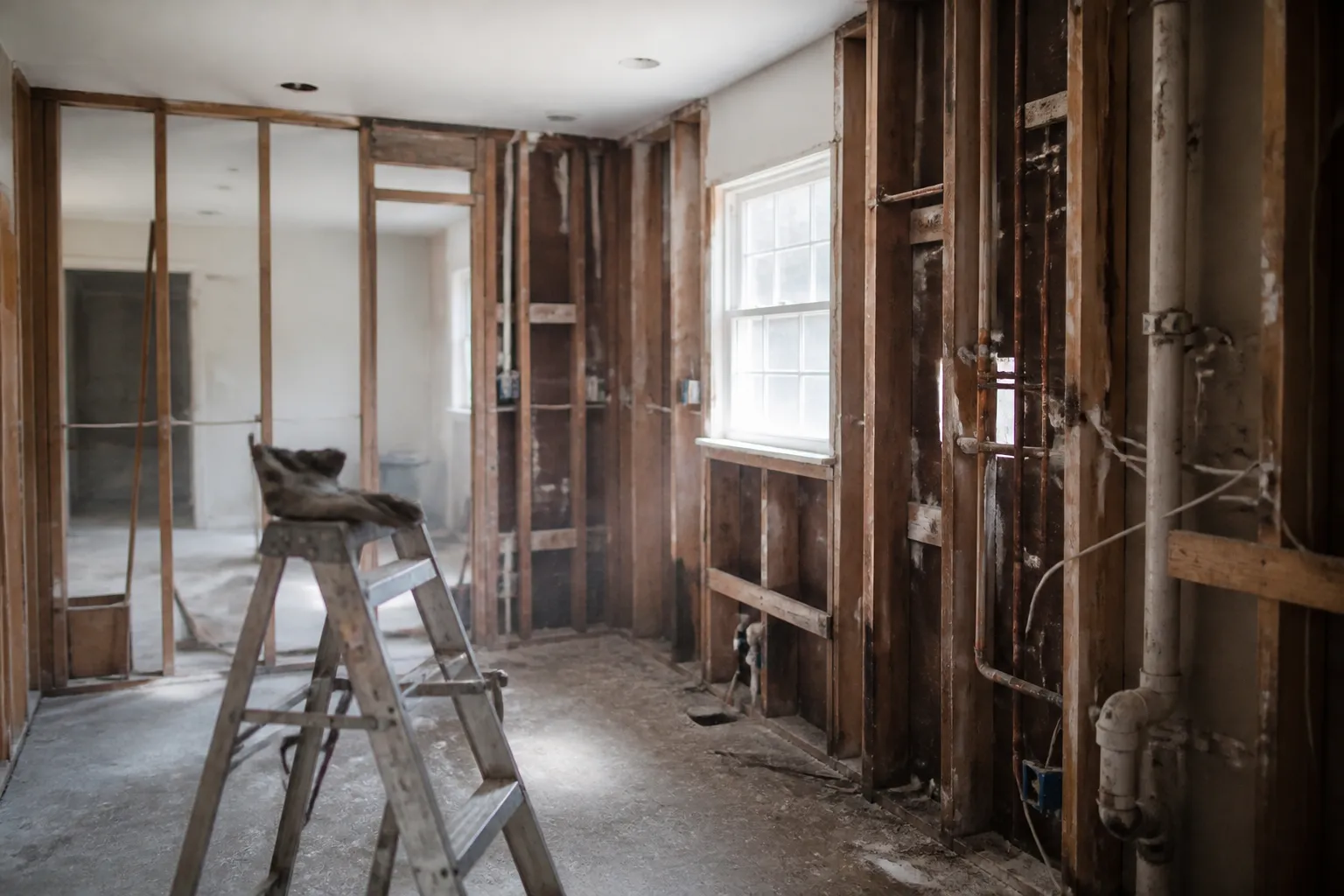
Planning a kitchen remodel and wondering what number to put on the whiteboard? The honest answer is a wide band, and where your kitchen lands in it depends on a handful of choices you can make before anyone swings a hammer. This guide walks through typical US costs, what moves the price, how to compare bids, and what to ask before you sign. It is general information only, not personal financial or legal advice, so check your own numbers with licensed professionals in your area.
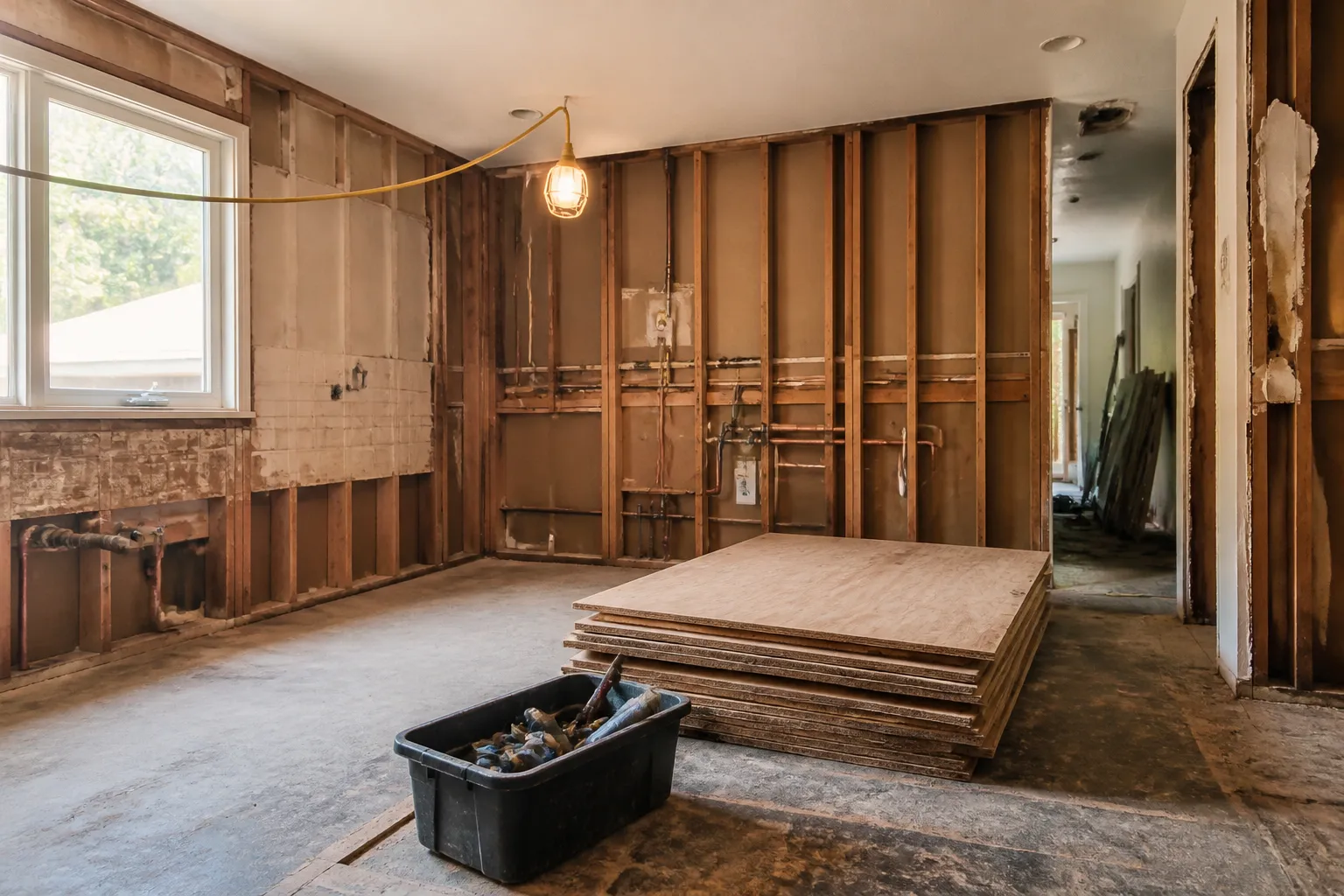
What a kitchen remodel typically costs
Published 2026 estimates cover a lot of ground. One source gives a range of about $8,812 to $64,498, with an average near $32,351. Another places most projects between $15,000 and $75,000, with a typical job around $27,000 to $35,000. Houzz data cited in one guide puts the national median for a major kitchen remodel near $55,000. Treat all of these as bands, not as a quote for your house.
It helps to think in tiers based on scope:
- Cosmetic or minor updates: roughly $10,000 to $30,000, depending on the source.
- Mid-range remodels: roughly $25,000 to $60,000.
- High-end or full renovations: roughly $60,000 to $150,000 or more.
Location matters a great deal. One regional guide for the Dallas-Fort Worth area places most mid-range remodels at $35,000 to $55,000, which sits above some national mid-range figures. The sources also note that local labor markets and tariffs push prices around. State-by-state numbers are not consistently published, so use national ranges as a starting point and let local quotes set your real budget.
What drives the price
Scope comes first. Swapping cabinet doors is a very different project from moving a sink or redrawing the layout. Published component ranges show the spread:
- Cabinet refacing: about $4,235 to $10,329.
- Cabinet replacement: about $4,421 to $15,795.
- Countertop installation: about $1,902 to $4,504.
- Backsplash: about $802 to $2,813.
- Appliance upgrades: about $1,894 to $18,995.
- Lighting: about $296 to $1,332.
- Layout reconfiguration: about $12,322 to $63,588.
Labor often outweighs materials, particularly for plumbing and electrical work. Labor tracks how hard the task is, not how pricey the finish is, so two kitchens with identical materials can differ by thousands. Moving gas, water or electrical lines adds complexity fast.
Structural changes add more. Removing a load-bearing wall generally calls for an engineer, permits and extra time. Larger and open-concept kitchens need more of everything. Older homes can hide several layers of flooring, plaster walls or water damage, all of which add demolition and disposal costs. Demolition alone was cited at $250 to $1,000 in one homeowner breakdown.
Emergencies cost extra too. One source says remodeling forced by water damage or structural failure can raise total expenses by about 20% to 40%. Finally, materials: cabinets are often the biggest single slice of the budget, and countertops run from laminate at the budget end through butcher block and quartz up to granite or marble.
How to compare quotes and choose help
Start by deciding your scope. Is this a cosmetic refresh, a mid-range update, or a full layout change? Homeowners can receive quotes far apart for what sounds like the same kitchen, and a written scope is the only way to compare them fairly. Follow these steps:
- Write down what stays and what goes: layout, cabinets, counters, flooring, appliances, lighting.
- Give every bidder the same written scope.
- Ask for itemized written quotes, not a single lump sum.
- Request a site visit before treating any number as final.
- Line the quotes up side by side and look at what each one leaves out.
Online calculators can give a rough starting figure, but one popular labor estimator states plainly that its numbers are illustrative, exclude work not listed, and are not a substitute for written quotes from trade professionals. Licensed professionals are commonly recommended for code compliance, realistic timelines and access to suitable materials. Licensing rules vary by state, and the sources here do not spell them out, so check your state licensing board for requirements and to verify credentials, insurance and references.
Questions to ask and red flags to watch for
Before you sign, put these questions to every bidder and get the answers in writing:
- Does the price include permits, structural repairs, plumbing and electrical work?
- Does it include demolition and disposal?
- Are cabinets and countertops stock, semi-custom or custom, and which brand or grade is assumed?
- How will a layout change affect plumbing, gas and electrical lines?
- What happens to the price if something unexpected turns up behind a wall?
Payment schedules, deposits, financing and typical timelines are not reliably covered in the sources, so ask each provider to spell them out before you commit.
Some warning signs are worth taking seriously. A quote that does not break out scope, materials or items like permits and structural work can look cheaper and then grow during the job. An estimate presented as final without anyone seeing the kitchen should be treated as provisional, especially in an older home where floors and walls can hide surprises. If a bid feels vague, ask for more detail. A good one will not mind.
One last practical note: build a cushion into your budget for the unknowns, and talk with a licensed contractor and a financial professional about what fits your situation.
Sources
- How Much Does A Kitchen Remodeling Cost In 2026?
- How Much Does a Kitchen Remodel Cost in 2026? | homeyou
- Cost to Develop Kitchen Remodeling Costs - 2026 Cost Calculator (Customizable)
- Cost to Remodel a Kitchen in 2026 (My Real Life Case Study) - AT Improvements
- Kitchen Remodeling Cost Breakdown for 2026 - Highland Cabinetry
- How Much Does a Kitchen Remodel Cost in 2026? | Hope Kitchen Blog
- How Much Does It Cost to Remodel Your Kitchen in 2026? | Fin Home Blog
- Kitchen Remodeling Costs in 2026 and Ways to Save - NerdWallet
Still have a question?
Related guides
-

Upgrading to 200 Amps Without the Surprise Bill
Panel costs are only part of the story, so here is what a 200 amp upgrade typically runs, what can get added on, and what to ask before you sign. By Neil Ostrander
-

Tank or Tankless? How to Compare Water Heater Bids on Equal Terms
Learn how tank and tankless units differ, and which details a written plumber's quote should spell out so three bids can be compared fairly.By Renata Okafor
-

Find the Water First: A Practical Guide to Deciding on Mold Testing and Cleanup
Before anyone runs a sample or quotes a job, the moisture source and the size of the visible patch settle most of the decision. By Gideon Aldaine