What a New Roof Really Costs and How to Compare Quotes
Prices swing widely with materials, contractor, home size and location, so a clear scope and written proposals matter more than any single number.
 By Gideon Aldaine ·
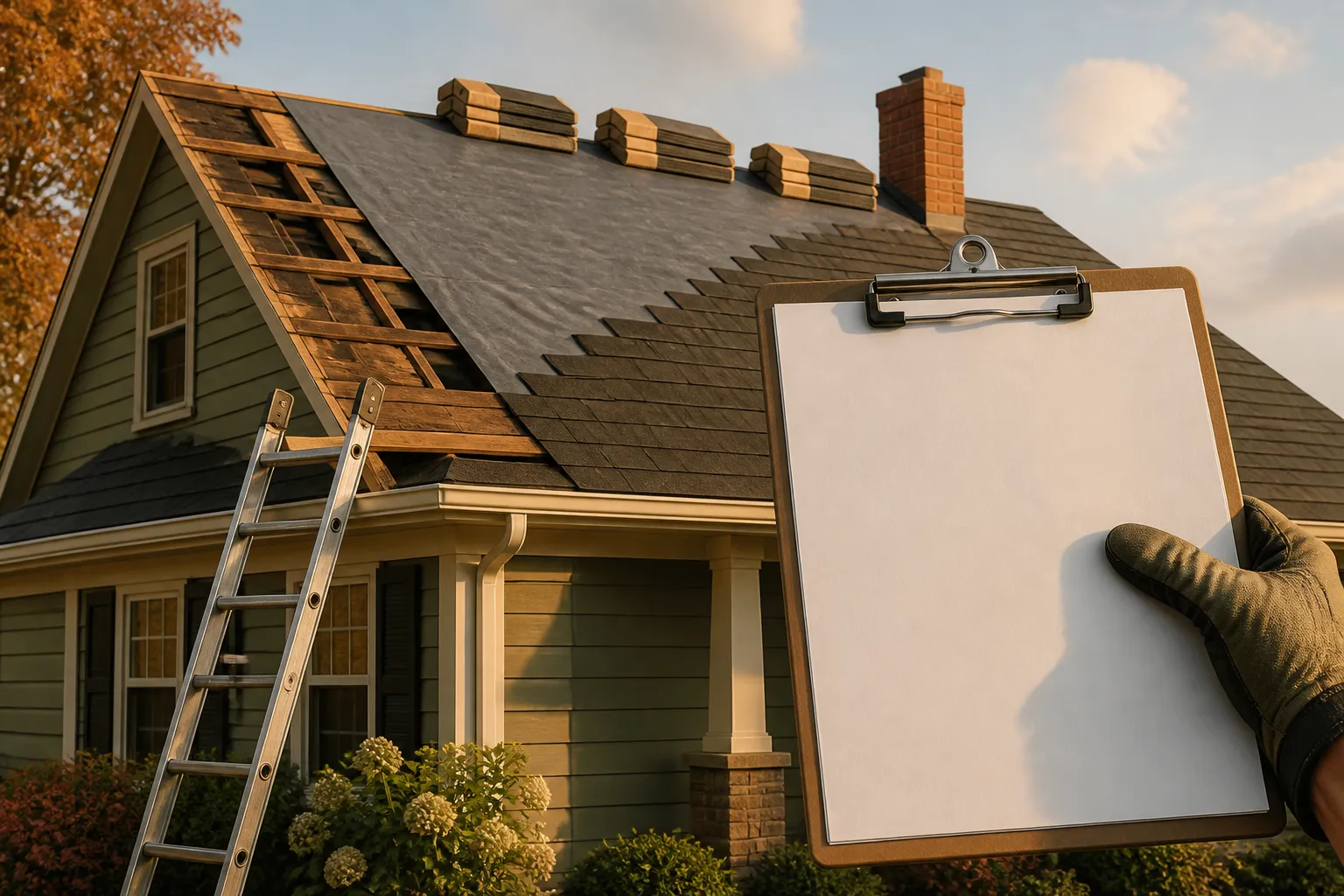
What does a new roof actually cost, and why do two quotes for the same house land so far apart? The honest answer is that it depends on your materials, your contractor, your home's size, where you live, local labor rates and even the season. This guide walks through how prices get built, what a good estimate looks like, and what to check before you sign. It is general information only, not personal financial or legal advice, so a licensed local professional should weigh in on your own roof.
What drives the price
Roof replacement prices vary widely. The National Roofing Contractors Association (NRCA) lists the usual drivers: the materials you choose, the contractor, the size of the home, its location, local labor rates and the time of year. Each roofing material also comes in different grades, and the grades carry different prices. So "shingles" is not one price. It is a range.
One caution up front. The sources behind this guide do not give reliable US dollar ranges, and they do not show how costs shift from state to state. Any single figure you see online should be treated with care. Costs differ by state, by city and by the specifics of your house. The best gauge of your own market is a set of written proposals from nearby contractors.
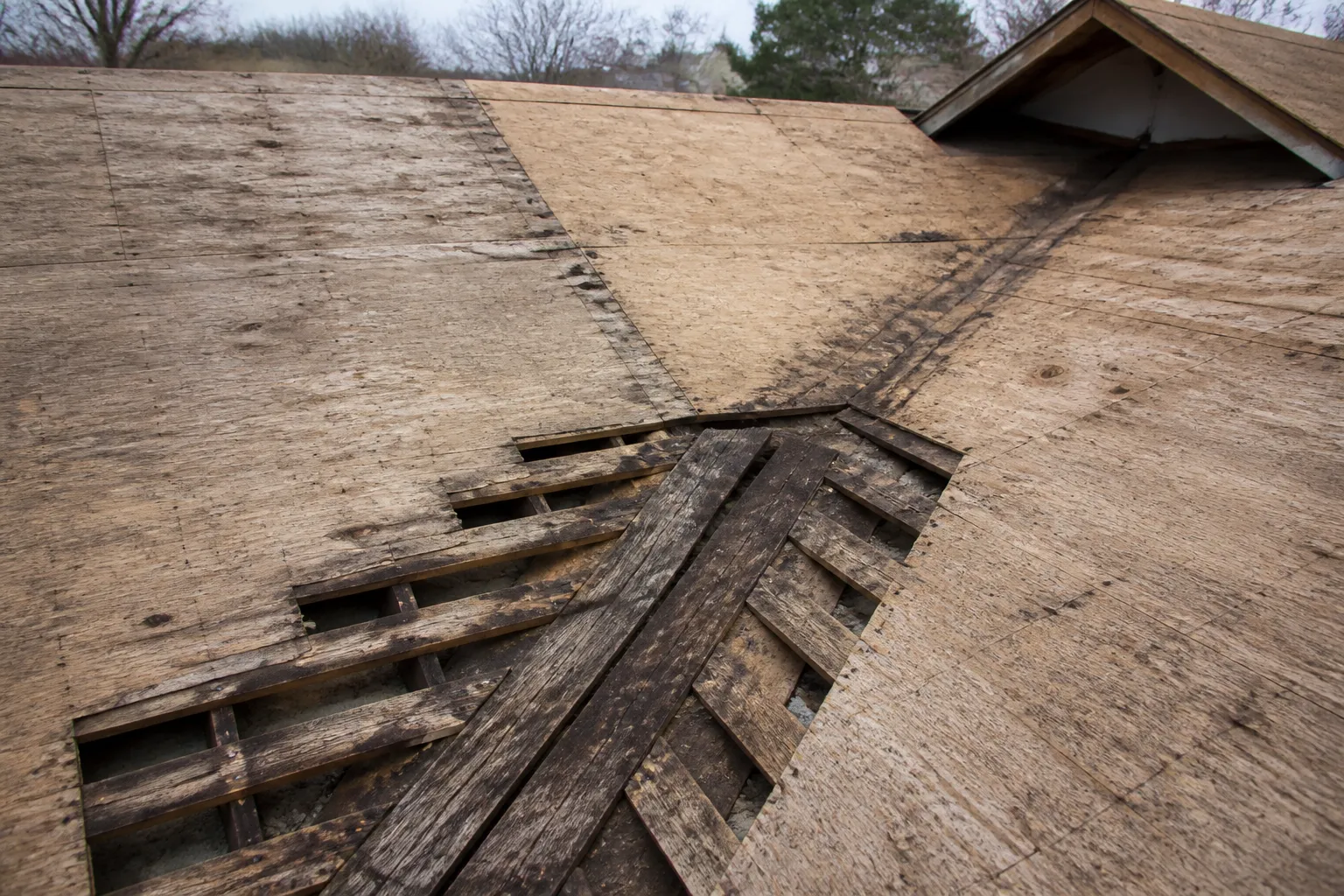
There is also the surprise factor. Damaged decking, for example, often cannot be seen until the old roof comes off. That means the final bill can move after work starts. Before you sign, ask:
- How would hidden damage be priced?
- Who approves it, and in what form?
- Will the cost be written down before the extra work begins?
Tear-off versus roof-over
Which approach is being quoted changes the number, so find out early. A tear-off removes the old roof completely. That lets the crew inspect the structure for further problems and gives the new shingles a direct attachment to the framing.
A roof-over puts the new roof on top of the old one. It is generally less expensive and looks the same from the street. The tradeoff is that nobody gets a look at what lies underneath.
There are limits. Partial re-roofing can only be done so many times before the slope turns uneven. A home with several layers already may need a whole new roof, because the old roof has to be repaired first, and that raises the cost. The sources do not give typical price gaps between tear-off and roof-over, or per-square-foot pricing. So ask each contractor to show, line by line, how the proposal is priced.
What a complete estimate should include
A good estimate reads like a checklist you could hand to a stranger and still get the same roof. According to the NRCA and Tennessee consumer guidance, it should cover the following:
- The roof covering type, with manufacturer and color.
- The materials and the full scope of work.
- Whether the existing roof is removed or left in place.
- Flashing, ventilation and the installation method.
- Who repairs damaged landscaping or interior finishes.
- Start and completion dates.
- Payment procedures.
- Warranty length and what it covers.
On warranties, keep two things apart. Manufacturer warranties generally cover defects in the roofing material, with coverage periods that can range from 20 years upward. Workmanship warranties are a separate matter, so confirm both in writing.
The estimate should also explain how extra work found during tear-off will be documented, priced and approved before it happens. Tennessee consumer guidance recommends detailed, itemized bids and written agreements. That is a sound standard in any state.
How to compare proposals and avoid red flags
The NRCA advises collecting three or four proposals from reputable local contractors. Then comparing them takes patience, because two similar totals can cover very different work. Lay the proposals side by side and check the scope first, the price second.
- Does each one name the same materials and grade?
- Does each include removal, flashing and ventilation?
- What is excluded from the total?
- Are dates and payment steps written down?
Clearly written, detailed proposals generally signal a thorough contractor with an accurate estimate. Vague ones, with no scope, materials or payment terms, are a warning sign. When bids differ sharply, work out what each includes and leaves out before you choose on price. The lowest number is not automatically the best deal, since price has to be weighed against material quality and workmanship.
Read the Federal Trade Commission's home repair scam guidance before you sign anything, and be wary of pressure to decide fast. Checking licensing, insurance and permit rules with your state or city is also wise, since the sources here do not spell those out.
Roof condition and resale
Does a new roof pay you back? It can add value, but the sources give no dependable dollar figure, so do not assume a specific return. If you plan to sell, the roof's condition matters. Buyers may offer less, take longer to commit, or ask for repairs before closing when a roof is in poor shape.
For context, Zonda's 2025 Cost vs. Value report found that exterior projects tend to recoup more at resale than large interior remodels. That may help if you are ranking several projects.
Sometimes the smaller fix is enough. Replacing individual damaged shingles can be relatively inexpensive, provided the new ones match the existing roof. A professional inspection can help you decide between repair and full replacement, and a licensed contractor or real estate professional can speak to your local market.
Sources
- Resources - National Roofing Contractors Association
- What Should a Roof Replacement Estimate Include? | Middle TN Checklist | Terry Woodall Roofing
- National Roofing Contractors Association Home - NRCA
- 2025 Cost vs. Value Report - Zonda
- How Much Value Does a New Roof Add? | Zillow
- Home Repair Scams | Consumer Advice
- https://vertexaisearch.cloud.google.com/grounding-api-redirect/AUZIYQF0XR0eBc1iIRiwOuPc_u69I8Tv_U6Uir_EBJmU97UQDhPBV7bsh6DCSeH9fZaLDhBWVF82IE8BxMLS21zqivTSk8xOMyuHJyMpTJ_xbd4ifvbLetSLRwQpARyDAOtInWFAtLKfCVhjmMEIz5aHObh_SVXm6E8qKuicm1n9AwaRnKYCiezW9ZgA0TczUw==
- Energy-Efficient Roofing: Can a New Roof Actually Lower Your Electric Bill? - Rhino Roofs
Still have a question?
Related guides
-

Upgrading to 200 Amps Without the Surprise Bill
Panel costs are only part of the story, so here is what a 200 amp upgrade typically runs, what can get added on, and what to ask before you sign. By Neil Ostrander
-

Tank or Tankless? How to Compare Water Heater Bids on Equal Terms
Learn how tank and tankless units differ, and which details a written plumber's quote should spell out so three bids can be compared fairly. By Renata Okafor
-

Find the Water First: A Practical Guide to Deciding on Mold Testing and Cleanup
Before anyone runs a sample or quotes a job, the moisture source and the size of the visible patch settle most of the decision.By Gideon Aldaine