What a Sewer Line Job Really Costs and How to Judge the Estimate
Typical national price ranges, the factors that push a quote up or down, and a checklist for comparing bids before you sign.
 By Neil Ostrander ·
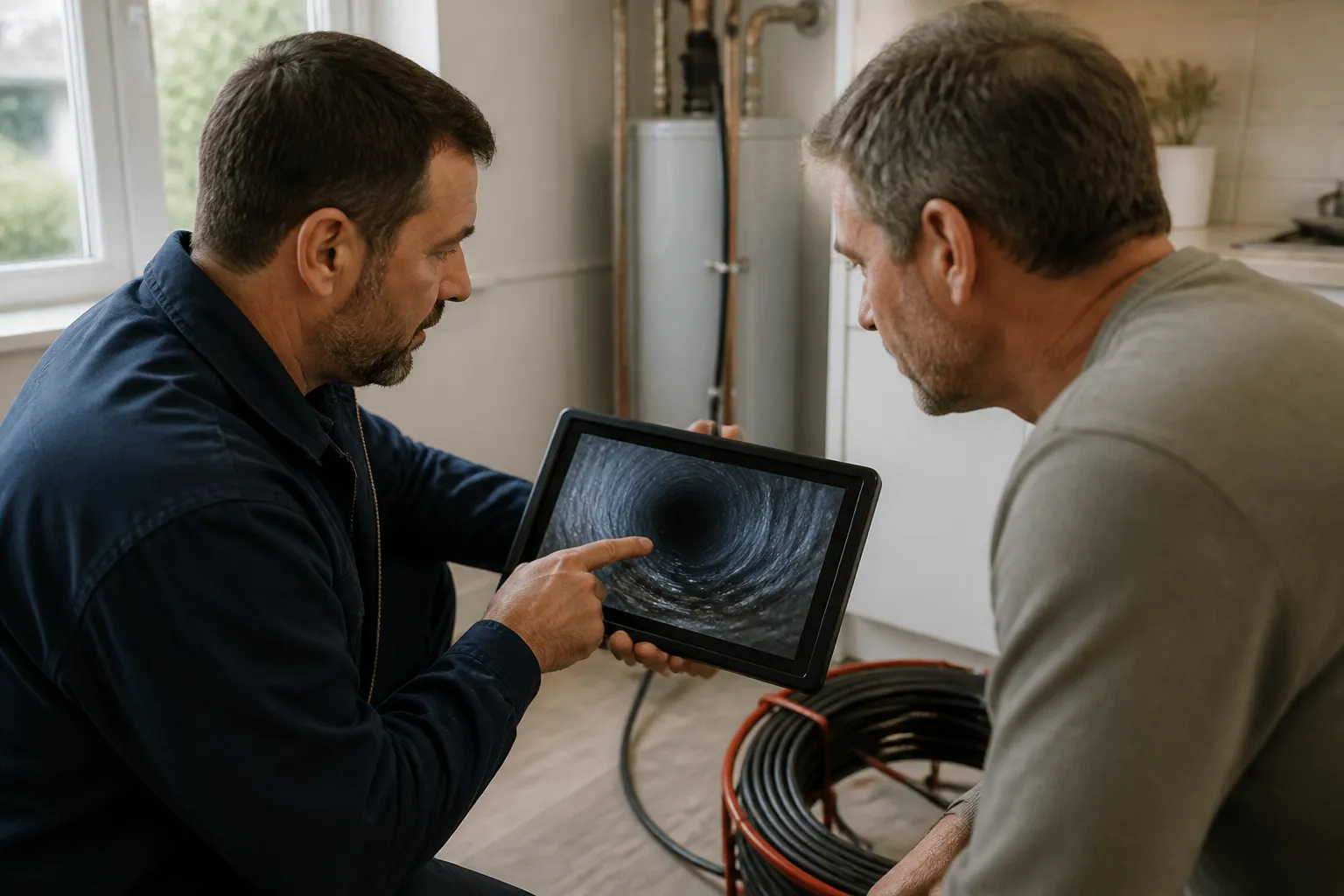
Is your yard soggy for no clear reason, or are drains gurgling all through the house? Before you call anyone, it helps to know what a sewer line job usually costs, what moves the price, and which questions keep an estimate honest. The short version: national figures run from about $1,000 to $20,000 for replacement, and your own number depends heavily on where you live and what is wrong with the pipe.
Typical cost ranges
The sources do not agree on a single average, which is normal for a job this variable. One puts the normal range at $1,388 to $5,323, with an average of $3,319. A 2023 article citing HomeAdvisor lists $1,253 to $4,701 and a national average of $2,914. Another says about $3,500 on average, but with a spread of $1,000 to $20,000. A plumbing company guide cites $4,000 as of 2024.
Small fixes sit at the low end. That same guide says a minor repair can cost as little as $650, while extensive repairs can pass $7,500 and full replacements can go higher.
- These are national figures, not state prices. Costs vary by state and region, and the sources do not break them out.
- The sources were published between 2021 and 2026. None is adjusted for inflation or local labor rates.
- Treat every number here as a starting point, then check it against local quotes.
What drives the price
Six things do most of the work: pipe length, depth, location on the property, pipe material, repair method, and the cause and extent of the damage. The distance from the house to the street connection, plus how deep the line sits, decides how much trenching and excavation is needed. That digging is often the biggest labor cost.
Length shows up clearly in one guide's price bands for replacement:
- 25 to 35 feet: about $1,250 to $7,000
- 45 to 55 feet: about $2,250 to $11,000
- 75 to 100 feet: about $3,750 to $20,000
Longer runs can reach $25,000. Replacing the whole line from the house to the street can top $20,000, depending on soil type, time of year, and other factors. Rocky ground or a frozen winter can change a quote quickly.
Repair methods and related costs
Contractors generally choose between traditional excavation, where the trench is dug open, and trenchless methods, which limit digging. The choice affects the total, and neither is always cheaper. One source reports trenchless installation under a slab at about $6,500 to $13,000 when the slab does not have to be broken. If the slab must be broken, the cost goes up.
Material matters too. That source prices pipe per 50 linear feet, with ABS plastic at about $140 to $260. It gives little detail on other materials, and the sources do not cover the full cost of pipe lining, so ask for those numbers directly.
Then there are the costs people forget to budget for:
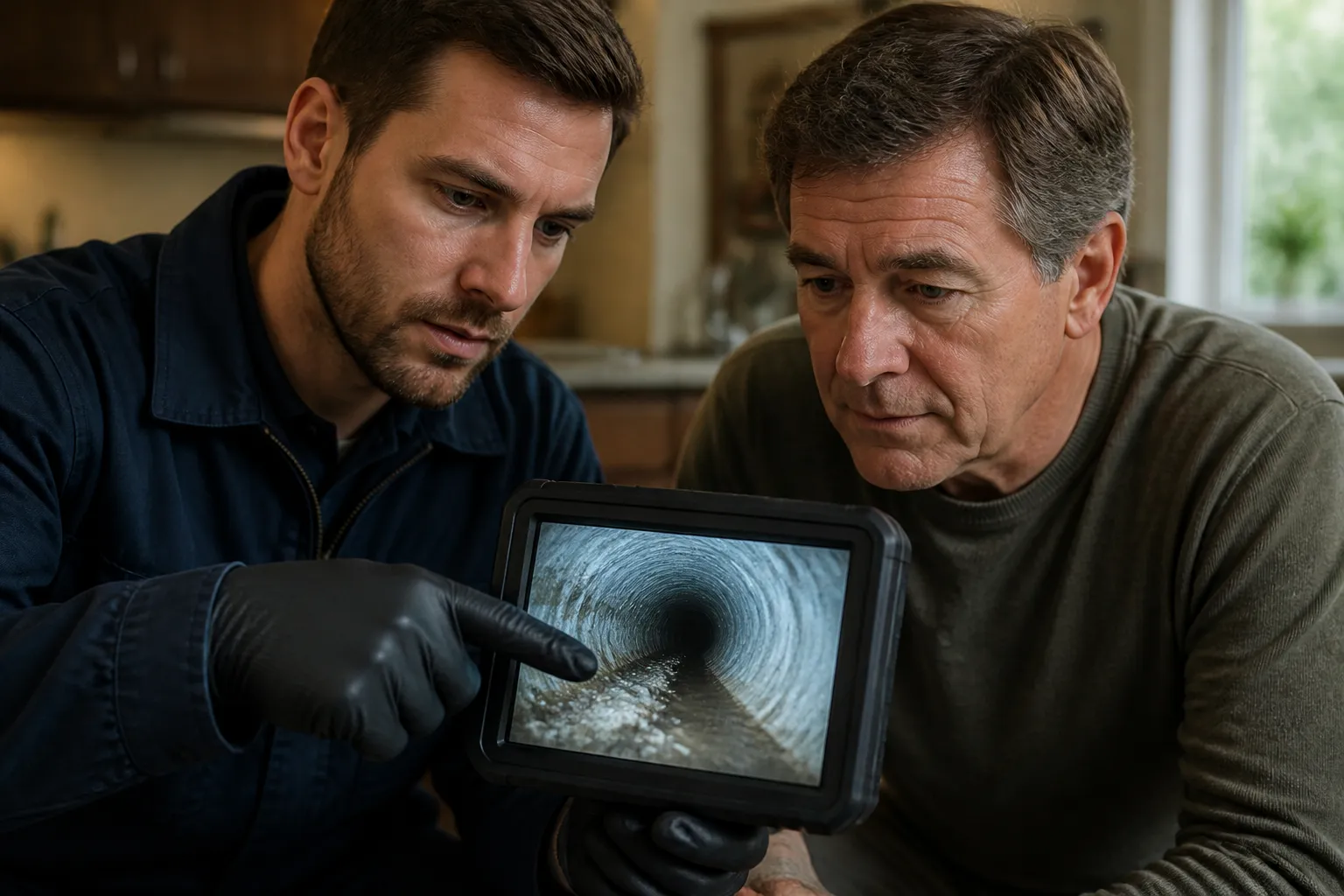
- Video camera inspection, typically $100 to $500
- Building permits
- Landscape restoration and cleanup
- Driveway repair, if the line runs beneath it
How to compare estimates
A plumber usually starts with a video inspection to diagnose the problem and choose a method, then writes the estimate from what the camera found. That order is your first test. Work through this checklist with each bid:
- Is the video inspection included, and what does it cost?
- Does the price cover the full length from house to street, or only part of it?
- Would the work be traditional or trenchless, and would the slab need to be broken?
- What pipe material is proposed, and how does it compare with alternatives?
- Are permits, landscape restoration, and driveway repair in the price?
Line up the answers side by side. Two bids with the same total can cover very different amounts of work.
Hire a local, licensed professional. The sources tie local hiring to code compliance and protection from sewage exposure. Confirm licensing rules with your state or city, since the sources do not spell them out.
Red flags
- A firm price quoted before any inspection or diagnosis.
- An estimate that leaves out permits, restoration, or inspection fees.
- A warranty plan pitched as a replacement for homeowners' insurance.
Warranty plans and open questions
One warranty provider reports that unexpected sewer line repair or replacement typically costs $1,361, based on its own 2022 and 2023 claims data. That is a single company's figure, not an independent survey, so do not use it to predict your bill. The same source says warranty plans for underground sewer lines are service contracts. They differ from homeowners' insurance and may complement it. Read the coverage, exclusions, and claim process before you buy.
Some gaps remain. The sources do not cover permit fees, local code rules, who is responsible for the line (you or the municipality), consumer protections, financing, or full trenchless and lining costs. Ask your city or county about those, and consider talking with a licensed plumber or other qualified professional about your situation. This guide is general information, not personal medical, legal, or financial advice.
Sources
- How Much Does a Sewer Line Replacement Cost?
- How Much Does It Cost to Replace a Sewer Line? [2025 Data]
- Sewer Line Warranty Product Guide | American Water Resources | American Water Resources, an Oncourse Company
- How Is the Cost of Sewer Line Repair Determined? - Waldrop Plumbing Air Electric
- How Much Does Sewer Line Replacement Cost? - Bob Vila
- How Much Does It Cost To Replace A Sewer Line?
Still have a question?
Related guides
-

Upgrading to 200 Amps Without the Surprise Bill
Panel costs are only part of the story, so here is what a 200 amp upgrade typically runs, what can get added on, and what to ask before you sign.By Neil Ostrander
-

Tank or Tankless? How to Compare Water Heater Bids on Equal Terms
Learn how tank and tankless units differ, and which details a written plumber's quote should spell out so three bids can be compared fairly. By Renata Okafor
-

Find the Water First: A Practical Guide to Deciding on Mold Testing and Cleanup
Before anyone runs a sample or quotes a job, the moisture source and the size of the visible patch settle most of the decision. By Gideon Aldaine