What a Sprinkler System Really Costs and How to Compare Quotes
Published averages give a useful starting point, but zone count, lawn size, local labor and permits determine what you will actually pay.
 By Renata Okafor ·
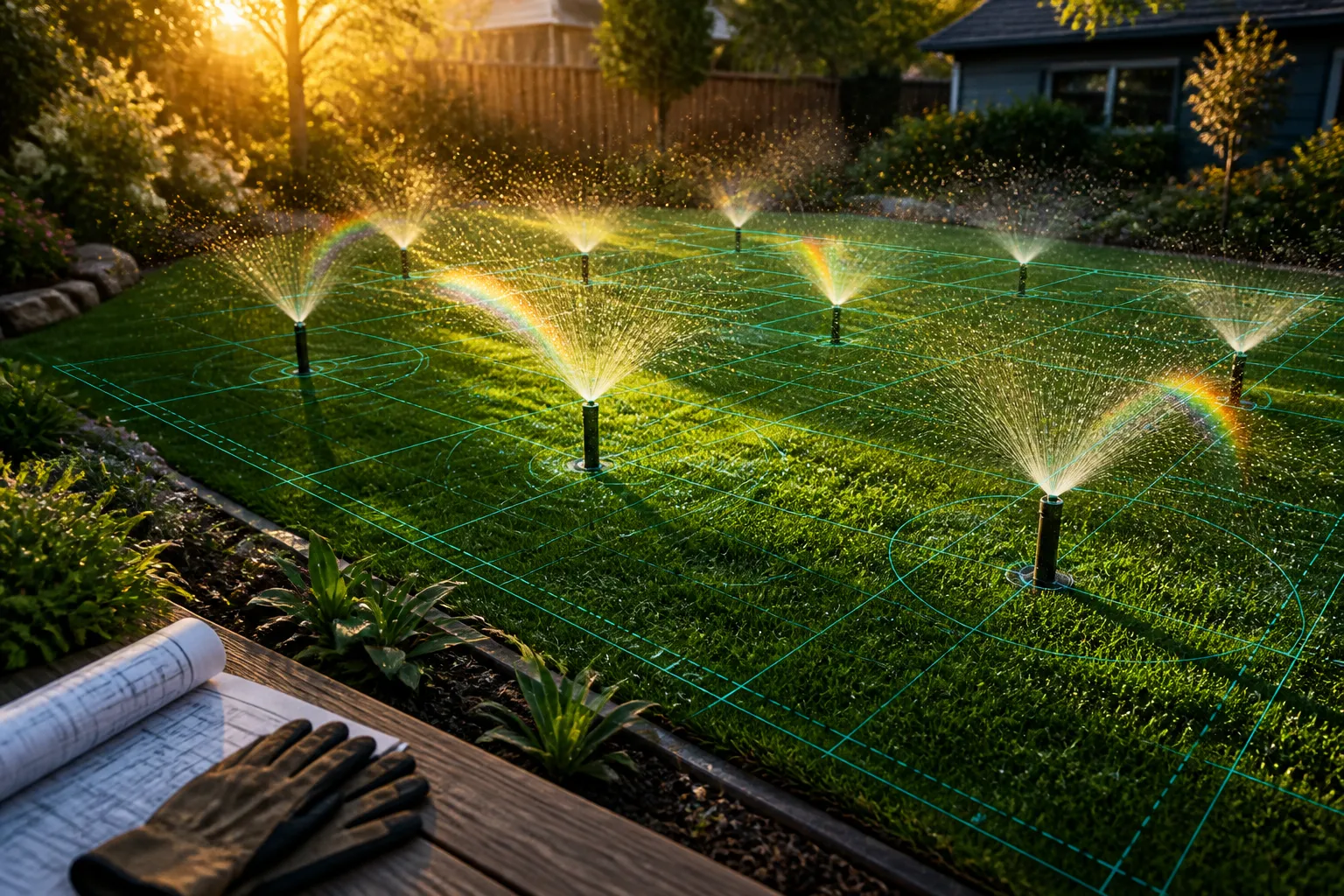
Wondering what it will actually cost to put in a sprinkler system, and why two quotes for the same yard can look so different? The short answer is that most published prices are averages or per-square-foot estimates, and your final number depends on where you live and what your yard looks like. This guide walks through the typical ranges, what moves the price, and what to confirm before you sign. It is general information only, not personal financial or professional advice, so check details with a licensed local professional.
What installation typically costs
One commonly cited national average for an installed system is about $2,540, with a typical range of roughly $1,679 to $3,541. Treat that as a starting reference point, not a quote. Your state, your town and your lot can push the figure well outside it.
The other common method is pricing by square foot. In-ground systems are often estimated at about $0.90 to $1.70 per square foot, labor and materials included. For a 5,000-square-foot lawn, that works out to roughly $4,500 to $8,500. Those figures commonly leave out permits and inspection, so keep a line in your budget for both.
Notice that the two methods do not agree neatly. The national average likely reflects a mix of smaller and simpler jobs, while the per-square-foot figure scales with the size of the area you water. Use both as a sanity check, then ask for local numbers.
Regional differences
The same project can cost noticeably different amounts depending on where it is built. Published per-square-foot examples, including labor and materials but not permits, show the spread:
- New York, NY: $1.11 to $2.13
- Seattle, WA: $1.02 to $1.95
- Chicago, IL: $0.99 to $1.89
- San Diego, CA: $0.93 to $1.77
- Atlanta, GA: $0.79 to $1.48
These are city examples, not a state-by-state breakdown. Local labor rates and code requirements differ, so ask nearby irrigation professionals and your state or municipal permitting office for figures that fit your area.
What drives the price
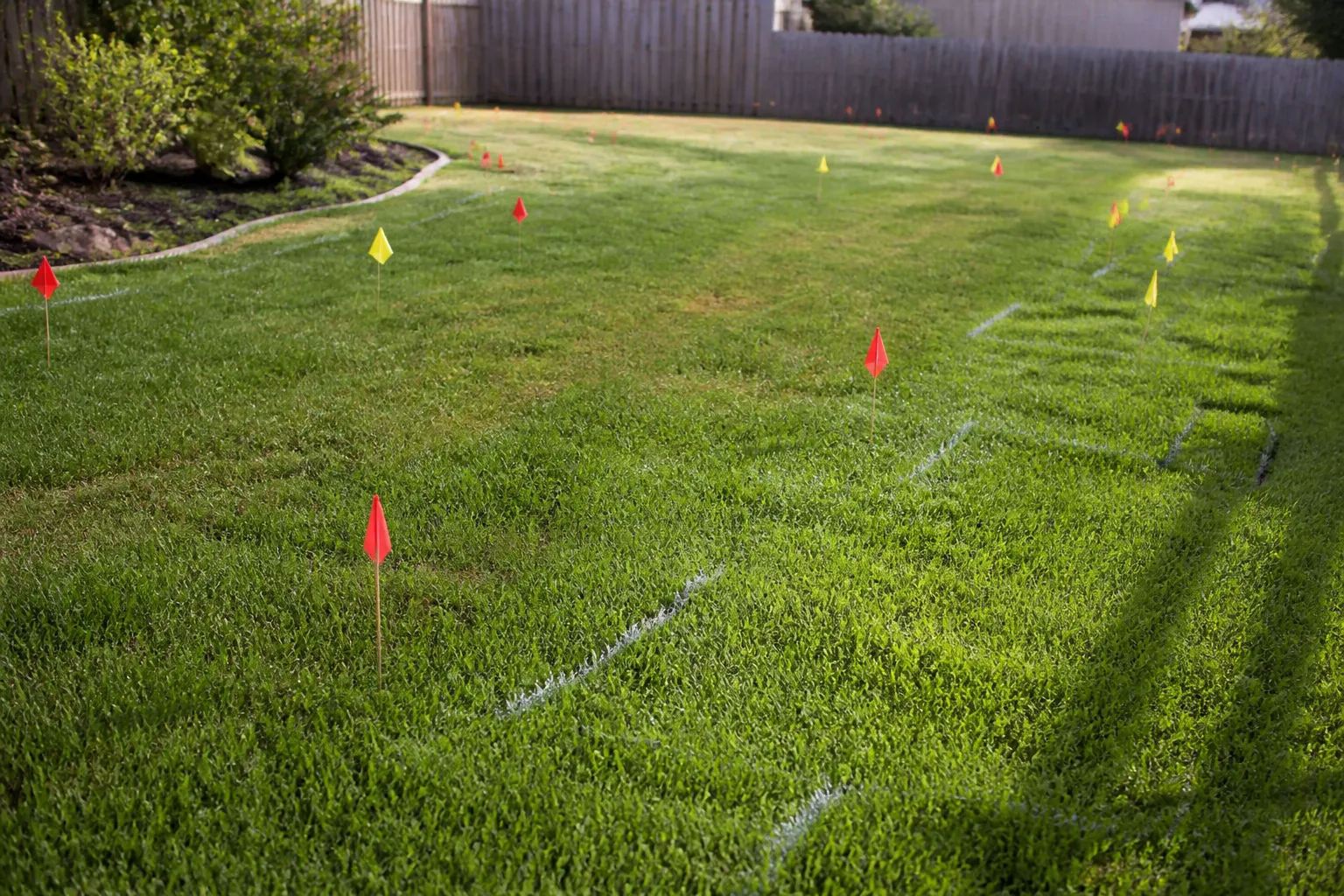
Several factors set the total, and it helps to know them before a contractor walks the property:
- Lawn size
- Number of irrigation zones
- Number of sprinkler heads
- System type
- Parts and brand
- Soil type
- Labor
Zones deserve special attention. A zone is a group of heads run from one valve, and zone count has a large effect on price. An average lawn typically needs at least five zones, and many estimates add roughly $750 for each extra one. A deck with planters, for example, may call for its own zone.
Head choice matters too. Rotary heads cost more than stationary heads, but they cover more area, so a zone often needs fewer of them. Automatic systems generally cost more than basic in-ground setups.
You may also see above-ground sprinklers that attach to a hose for as little as $15. They are fine for a small patch, but they are not suited to watering a whole yard, so they are no substitute for a designed system.
Permits, water efficiency and long-term costs
A permit is usually required before work begins, and installation often calls for specialty tools. Before you agree to anything, confirm these points:
- Who pulls the permit, you or the installer?
- Is inspection included in the quote?
- Are materials listed separately or bundled in?
On efficiency, the EPA reports that replacing a clock-based controller with a WaterSense labeled irrigation controller can cut irrigation water use by up to 30 percent. For an average home, that could mean up to 15,000 gallons a year. The EPA also offers a Water Budget Tool that compares estimated water use for a designed landscape against standard construction. It is meant for design work, not for setting daily watering schedules.
Be aware of what the sources leave out. They generally do not give permit fees, inspection costs, typical timelines, ongoing maintenance and repair costs, or winterization costs. Ask about each directly and budget for them separately.
How to compare quotes and what to ask
Get more than one written estimate. Prices swing with lawn size, zone count, head choice and labor, so a single flat price with no site visit is hard to judge. Soil, layout and access can all change the real cost. Treat that kind of quote as uncertain, and be wary if a bid covers only hose-attached heads when you need to water the whole yard.
When you talk with each contractor, bring this list:
- Does the price include permits, inspection and materials?
- How many zones and heads does the design need, and which head types are proposed?
- Is the controller a WaterSense labeled model?
- Does the design match my lawn size and soil type?
Then decide between hiring out and doing it yourself. A professional may work more efficiently, while an experienced homeowner might manage a smaller, simpler system. The sources reviewed do not state licensing or credential rules, so check requirements with your state or city before hiring. A licensed local professional can also help you weigh the choice for your own property.
Sources
Still have a question?
Related guides
-

Upgrading to 200 Amps Without the Surprise Bill
Panel costs are only part of the story, so here is what a 200 amp upgrade typically runs, what can get added on, and what to ask before you sign. By Neil Ostrander
-

Tank or Tankless? How to Compare Water Heater Bids on Equal Terms
Learn how tank and tankless units differ, and which details a written plumber's quote should spell out so three bids can be compared fairly.By Renata Okafor
-

Find the Water First: A Practical Guide to Deciding on Mold Testing and Cleanup
Before anyone runs a sample or quotes a job, the moisture source and the size of the visible patch settle most of the decision. By Gideon Aldaine