What a Whole-House Water Filter or Softener Really Costs
Typical US price ranges, the factors that push quotes up or down, and the questions to ask before you sign anything.
 By Gideon Aldaine ·
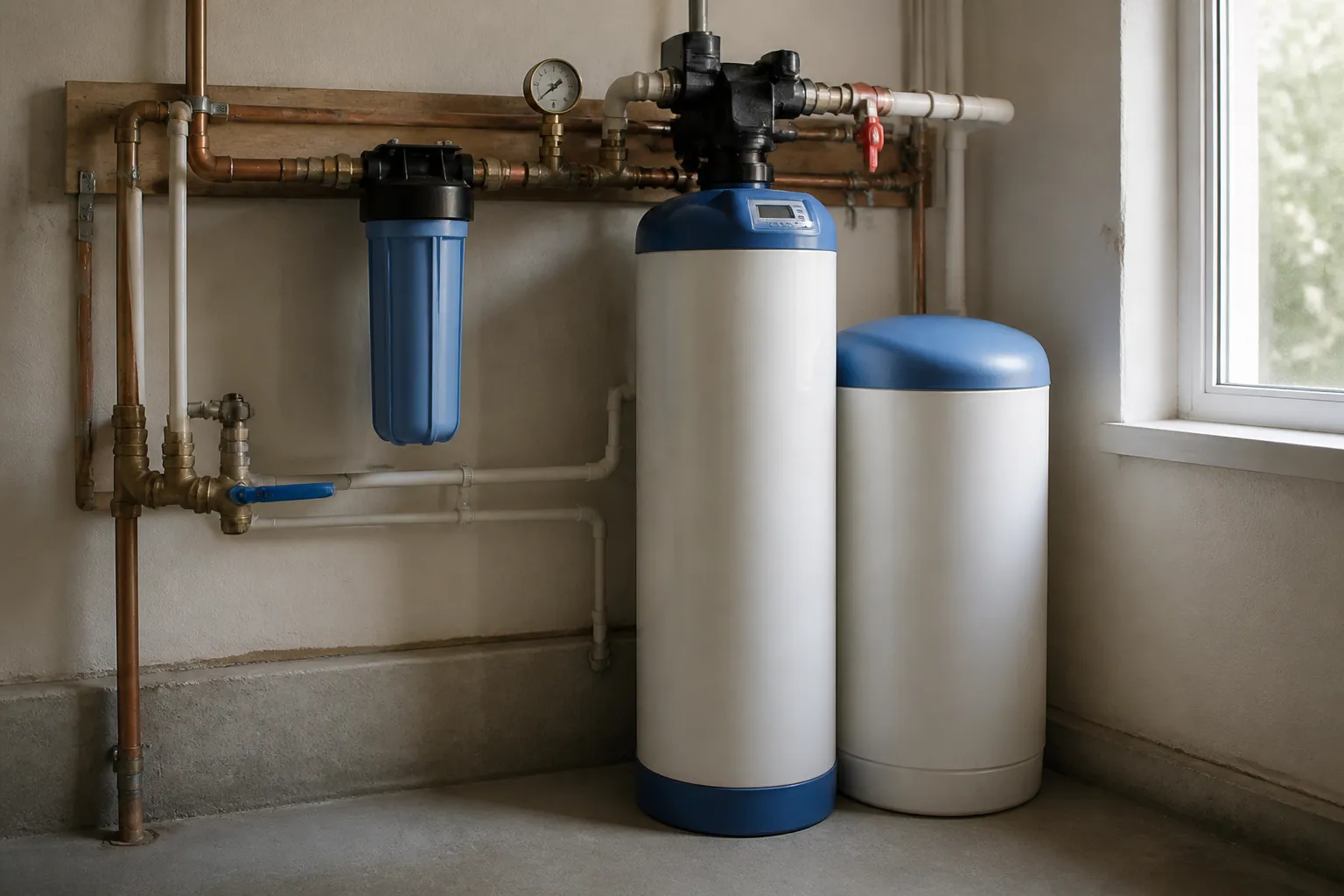
Are you trying to figure out what a whole-house water filter or softener will really cost before a contractor shows up with a clipboard? Start here. This guide walks through the typical US price range, what pushes it up or down, how to compare quotes, and what to ask. It is general information only, not personal financial or home advice, so check specifics with a licensed plumber or water treatment professional in your area.
A quote that skips permits or plumbing and electrical work may understate the final total.
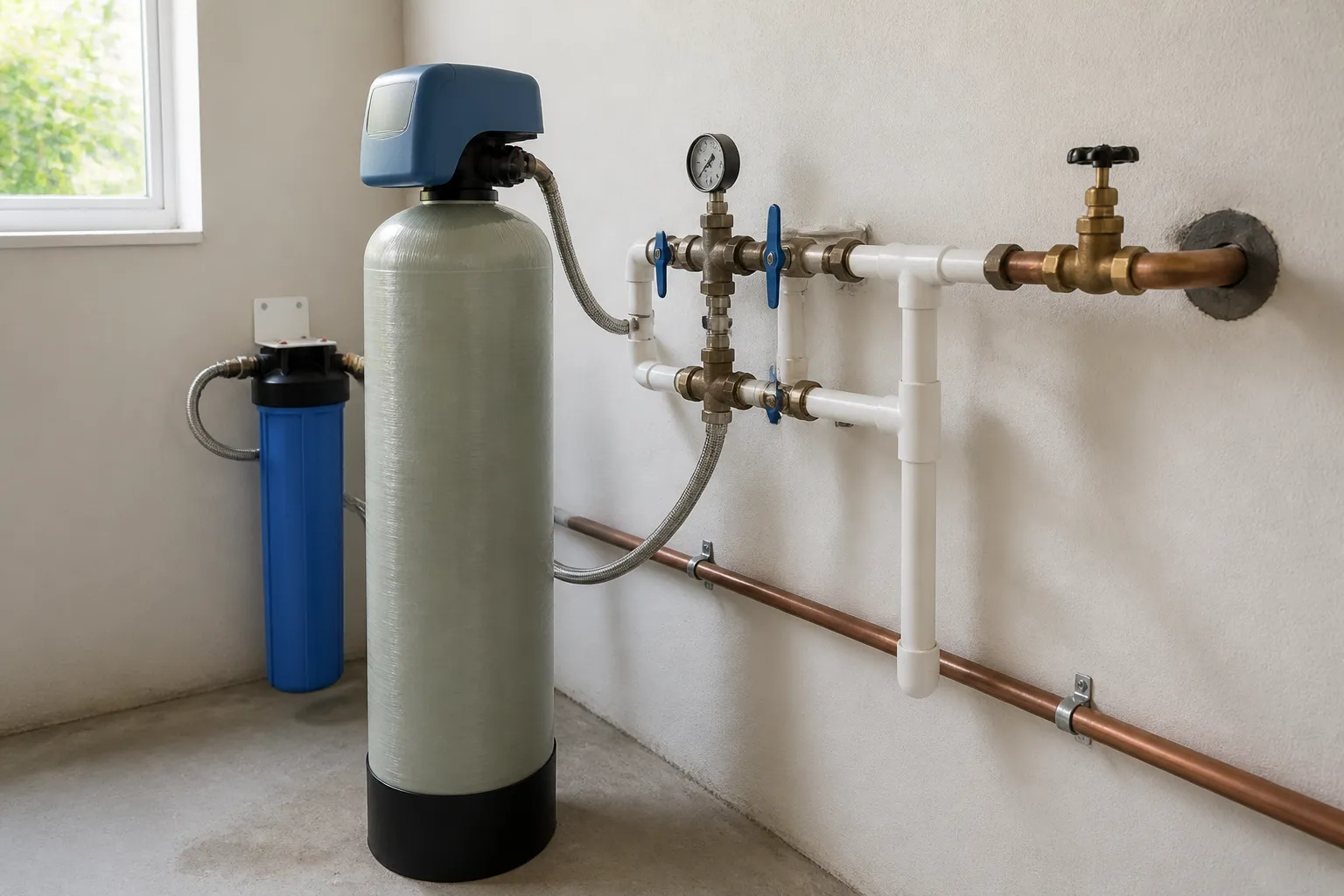
What installation typically costs
For a water softener, one national guide puts installation at roughly $200 to $6,000, with an average near $1,500 (Bob Vila). Another source gives the same normal range, and says a full project including add-on work can run from about $150 to $11,000 (HomeAdvisor). Those are national figures. Costs vary by state, by local labor rates, and by your situation, so treat them as a starting range and not a quote.
Filtration for well water or a specific problem can run higher. One retailer listed packages pairing a neutralizer, iron filter, or carbon filter with a softener at about $3,095 to $4,695 (Mid Atlantic Water). That is one seller's list pricing, not a survey, so use it as a single data point.
What drives the price
Sources name a handful of factors. Run through this checklist as you collect numbers:
- System type and capacity
- Size of the home
- Labor and your location
- Water hardness and household size, which shape the capacity you need
- The filtration method you choose
- Building permits, plus any plumbing or electrical modifications
The last item is the easy one to miss. A bare equipment price can look friendly until a permit and a new electrical outlet near the tank get added. Whole-home versus under-counter matters too. An under-counter unit treats one tap, such as the kitchen faucet, while a whole-home system treats water entering the entire house, so the cost gap is large.
Why the water test comes first
Before comparing systems, find out what is actually in your water. The Water Quality Association lists perceptible signs that may point to a need for treatment: acidity, bad taste or smell, cloudiness or discoloration, corrosion, scale deposits, and staining (Water Quality Association).
Softeners are commonly described as reducing scale buildup, making cleaning easier, and improving how water feels on skin and hair and how it tastes. Those are general descriptions, not promises for your house. A test result is a better guide to whether you need a softener, a filter, or both. The sources I reviewed did not give testing prices, so ask a provider what a test costs.
Ongoing costs are a separate budget line: salt, media replacement, filter cartridges, and maintenance. The sources gave no figures for these, so get them in writing.
How to choose a system and installer
- Get your water hardness and note your home size, since both shape the system.
- Decide on whole-home or under-counter coverage.
- Decide on DIY or a pro. Sources advise professional installation for whole-house units to avoid damaging plumbing, while a handy homeowner may manage a small under-counter unit.
- Collect several quotes that list the same system type and capacity, so you compare equal work.
- Ask how licensing and insurance can be verified, and check your local permit rules, which vary by jurisdiction.
One more caution: the sources did not cover warranties, so ask about those as well.
Questions to ask and red flags
Bring these to every estimate:
- Does the quote include building permits and any plumbing or electrical modifications?
- Does it account for household size, water hardness, and the filtration method?
- Is it for a whole-home or under-counter system, and what capacity is included?
- What will salt, filters, media, and maintenance cost each year?
Watch for a quote far below the others with no clear reason, or one that does not itemize equipment, labor, permits, and modifications. Those gaps are where surprise costs tend to show up. Note too that source dates vary, so prices may have shifted since they were published. If a number seems off, ask the contractor to explain it line by line.
Sources
- Questions to Ask - Water Quality Association
- https://vertexaisearch.cloud.google.com/grounding-api-redirect/AUZIYQEZ346En0LycS8suQ2QxVWu-mFSMy4O2swulEWarCZYrnDkGo27XE0oLq3DAsldsM_Xu5puME8zaGu1B4QlCE57-ueLypZZH8WyoUdaZ8Of6PFP4GIYK7xIEZRo-6KgLUcIgtK3XXWQD0T1qqVnbnDnKvi6NVNoKd0iNCzYreVUh89kTWdP5YJ9_m7kCJ5BpihTbKbCZfc=
- Choosing the Right Water Treatment System 🇺🇸 monthyear
- How Much Does Water Softener Installation Cost in 2025?
- Water Softener System Cost Guide: What to Expect (Budget Guide)
- Whole House Water Filter System Cost (2026 Price Guide) – Mid Atlantic Water
- How Much Does a Reverse Osmosis System Cost in 2026?
Still have a question?
Related guides
-

Upgrading to 200 Amps Without the Surprise Bill
Panel costs are only part of the story, so here is what a 200 amp upgrade typically runs, what can get added on, and what to ask before you sign. By Neil Ostrander
-

Tank or Tankless? How to Compare Water Heater Bids on Equal Terms
Learn how tank and tankless units differ, and which details a written plumber's quote should spell out so three bids can be compared fairly. By Renata Okafor
-

Find the Water First: A Practical Guide to Deciding on Mold Testing and Cleanup
Before anyone runs a sample or quotes a job, the moisture source and the size of the visible patch settle most of the decision.By Gideon Aldaine