What Central Air Costs in a House With No Ducts
Ductwork drives most of the price gap, so this guide walks through the typical ranges, ductless alternatives, and the questions to ask before you sign.
 By Neil Ostrander ·
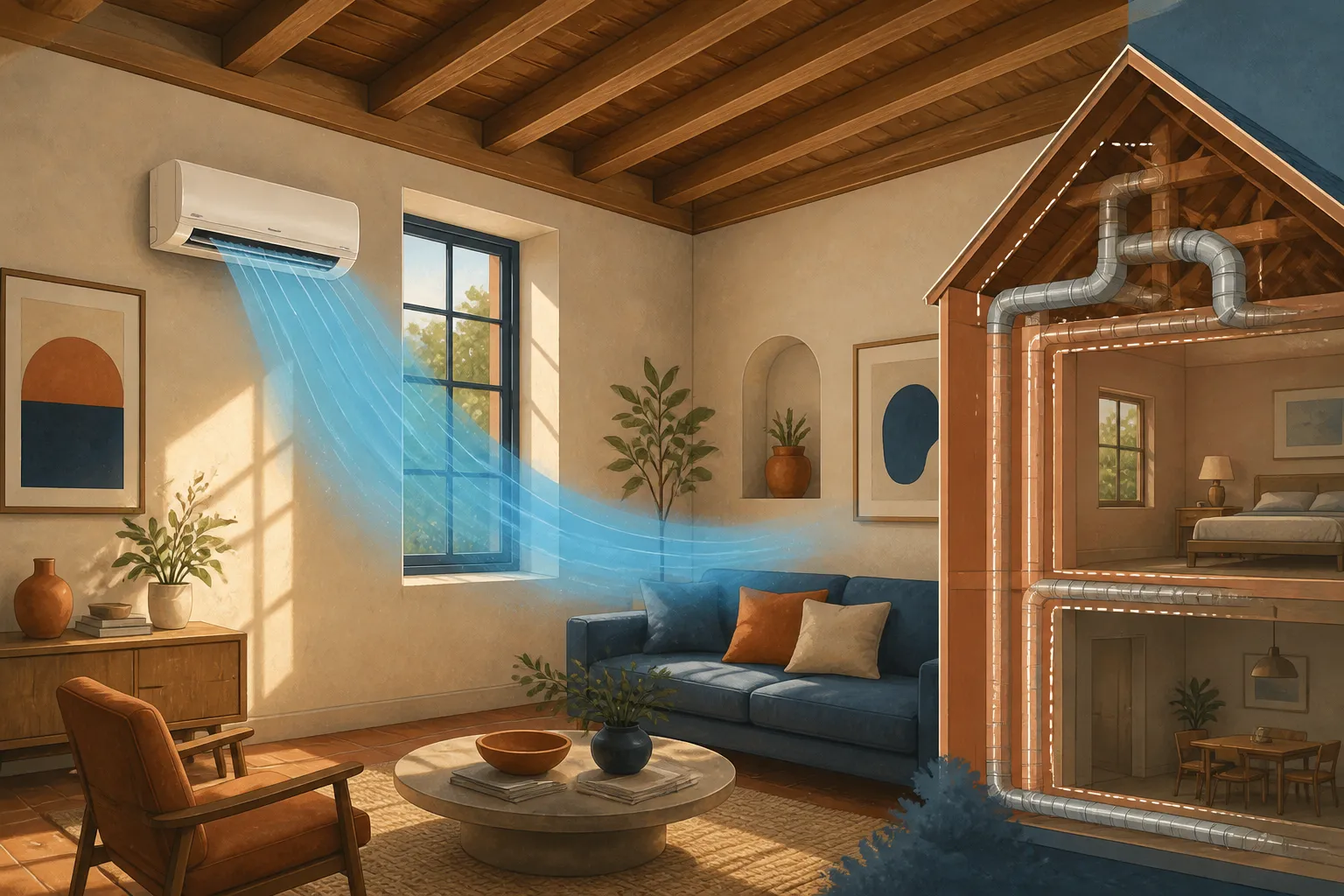
Does a house with no ducts really cost that much more to cool? Usually, yes. Before you call anyone, it helps to know what is driving the price, what ranges people publish, and which questions to put on paper. This guide walks through it in order. Every figure here is a general US estimate that shifts with your state, local labor rates and the condition of your house, and none of it is personal financial or home-repair advice. A licensed HVAC contractor can price your actual house.
Why a house without ducts costs more
Central air works by pushing cooled air through ductwork to each room. If your house has no ducts, the installer has to build that network along with setting the air conditioner itself, and that is the main reason the bill runs higher than a swap in a home that already has ducts. Ductwork is also the most variable line on the quote, so it pays to understand what moves it.
Here is what tends to push the ductwork price up or down:
- How many rooms need cooling.
- How far the supply and return runs have to travel.
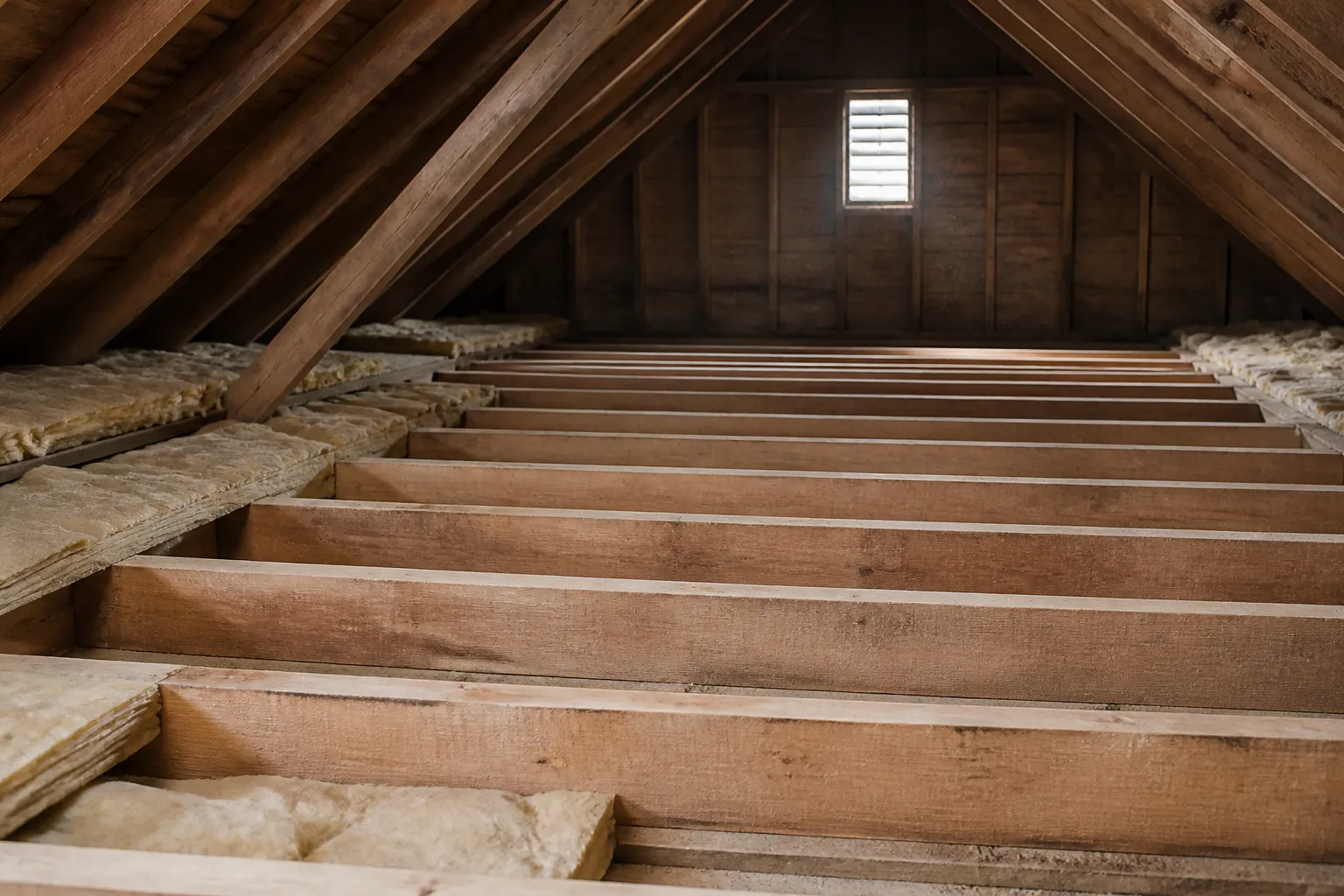
- Whether ducts can go through an attic or crawlspace, or must be routed through walls.
- How much patching and finishing follows.
One caution before the numbers. Most published figures come from installer and industry websites, not from a government cost study. Treat any single number as a starting point, never as a quote for your home.
What the typical cost ranges look like
A 3-ton central air system is the size most often cited for an average home. Published estimates put it at about $5,000 to $12,000 for equipment and labor, with an average near $6,000. That number may not include new ductwork, so for a duct-free house it can understate the total by a wide margin.
One installer-published estimate for central air with no existing ductwork lands between $7,000 and $15,000 for most homes. Its breakdown looks like this:
- Equipment: $2,500 to $5,500.
- New ductwork: $3,000 to $7,500.
- Labor: $1,500 to $3,500.
- Permits and inspections: $200 to $800.
Another source says a complete installation with new ductwork can run $10,000 to $20,000 or more. Home size matters too. The same installer source quotes roughly $7,000 to $12,000 for small homes of 1,000 to 1,500 square feet, $10,000 to $15,000 for medium homes, and $12,000 to $20,000 or more for homes over 2,500 square feet. Older houses can add $1,000 to $3,000 when the electrical panel is undersized or duct routing is awkward.
How ductless systems compare
If building ducts looks costly or difficult, a ductless mini-split is the usual alternative. Indoor air handlers mount on a wall, ceiling or floor, and they connect to an outdoor unit through a hole of about three inches in the wall. The outdoor unit can sit up to 50 feet away, depending on the manufacturer's line lengths.
Published installed costs for ductless systems are wide, roughly $1,000 to $14,500, because the price depends on how many indoor units you need and how complicated the install is. For context, air-source heat pumps are listed at about $4,000 to $11,000, and geothermal at $11,000 to $38,000.
Ductless systems can be zoned, so you cool only the rooms you use. One source, citing the Department of Energy, says skipping ducts avoids duct losses and may save up to 30 percent on energy, more if ducts would have run through an attic. That depends on your house and habits, so read it as an estimate. When you compare, make sure each quote covers the same job, including whether it heats, cools or both.
How to compare quotes and what to ask
Compare total installed cost, not the equipment price. A unit-only quote can leave out ductwork, electrical work and permits, which are the items that surprise people most. Work through this list with each contractor:
- Does the quote include new ductwork, electrical upgrades, permits and inspections?
- What system size and efficiency rating are you proposing, and why?
- How did my home's size, layout and insulation shape that recommendation?
- Can my existing electrical panel handle the new load?
- How did you plan the duct routing, and what would change the price if conditions differ?
- Are you licensed, and does my area require permits?
Licensing and permit rules vary by state and town. Confirm them with your local building department rather than trusting a general article, this one included.
Red flags and gaps in the available information
Watch for very wide price ranges with no explanation tied to your house. A solid quote shows how the figure was built, component by component. Be wary of unsourced claims too, such as a statement that central air adds 10 percent or more to resale value. Many pages in circulation are sales copy, so read promotional material as advertising.
Some answers are simply not in the public record I reviewed. There is no government cost study for this type of install, no state-by-state breakdown, and little on how contractors size systems or which efficiency ratings to compare. Financing, rebates, tax incentives, maintenance, warranties and long-term operating costs were also thin. Ask the contractor, your utility, and your state or local energy office about each one before you sign.
Sources
- Heat Pumps | Department of Energy
- https://vertexaisearch.cloud.google.com/grounding-api-redirect/AUZIYQEj2XZtrR2wxMoPar9yqrvNYNkzKQAt1I0kPrKGDNdy4wi8pGH_0Z77noViS3_2HX6Hg1UPVn6tB8CSqPfm9qy9UiKsxp-nhAb1xMLPoKSLlRaMXkEoptaBEDEiSKUFeEqXwrJcEuKEPv1oKchFkvpfDI63S25dKn8SoQ==
- Ductless Mini-Split vs Central Air: Cost Comparison | Eco Temp HVAC
- What Does DoE Say About Ductless Mini Splits? - AC-World
- HVAC Installation Costs: AC, Heat Pump, & Furnace
- How Much Does AC Installation Cost in 2026? | Fixr.com
- The Real Cost of Installing Central Air in Homes Without Ductwork | Smart Climate Solutions
- Average Cost to Install an HVAC System (With and Without Ductwork)
Still have a question?
Related guides
-

Upgrading to 200 Amps Without the Surprise Bill
Panel costs are only part of the story, so here is what a 200 amp upgrade typically runs, what can get added on, and what to ask before you sign.By Neil Ostrander
-

Tank or Tankless? How to Compare Water Heater Bids on Equal Terms
Learn how tank and tankless units differ, and which details a written plumber's quote should spell out so three bids can be compared fairly. By Renata Okafor
-

Find the Water First: A Practical Guide to Deciding on Mold Testing and Cleanup
Before anyone runs a sample or quotes a job, the moisture source and the size of the visible patch settle most of the decision. By Gideon Aldaine