What Chimney Inspections and Repairs Cost, and What to Ask Before You Sign
A practical guide to inspection levels, repair ranges, and the questions that separate a fair quote from a vague one.
 By Renata Okafor ·
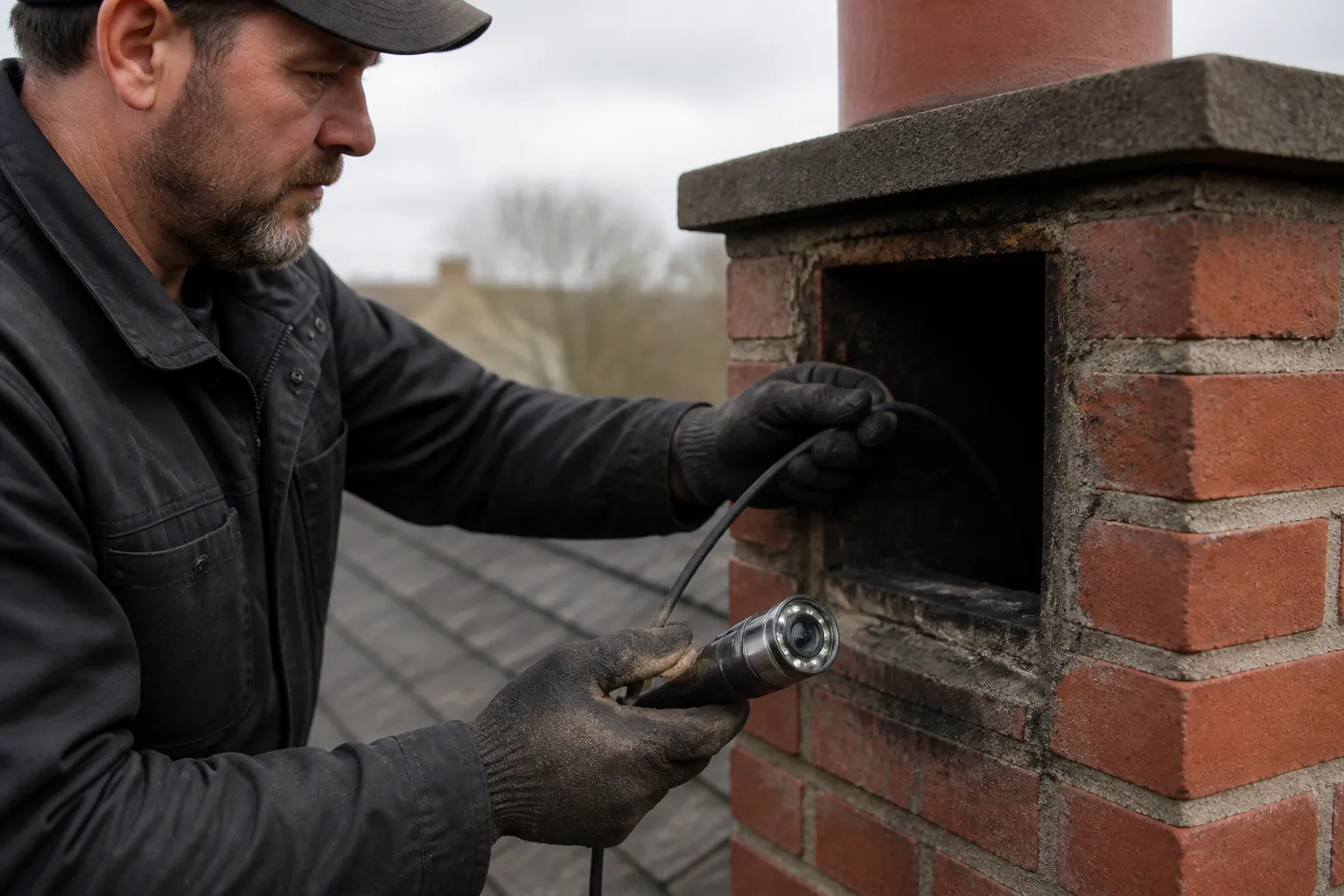
Is your chimney due for a repair, and how do you know what a fair price looks like? Most people start with a quote that has one number on it and no explanation. This guide walks through what the published figures cover, what drives them, and what to ask before you sign. It is general information, not personal financial, legal or medical advice, so check specifics with a licensed professional in your state.
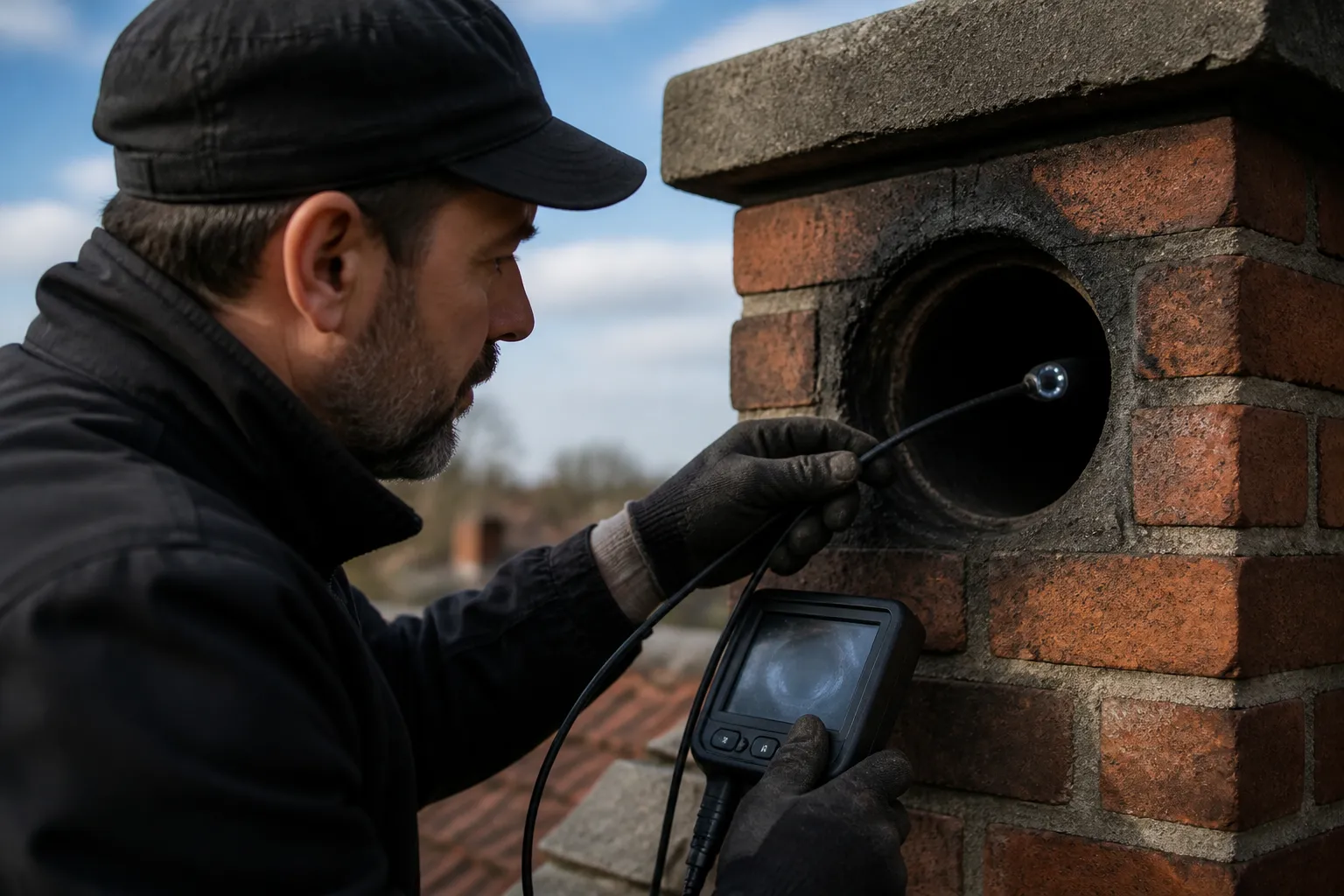
What chimney inspections and repairs typically cost
Start with the inspection, because it comes before any repair. Most US inspections fall between about $100 and $600, depending on the level. Here is how the national ranges break down:
- Level 1, the readily accessible parts of the system: about $100 to $300.
- Sweep plus Level 1 bundled: about $150 to $400.
- Level 2, which adds a camera scan of the flue: about $250 to $600.
- Level 3, a structural investigation that may involve opening up parts of the building: $1,000 to $3,000 or more.
If a camera scan is not included and you request it separately, expect roughly $50 to $150 extra. One consumer guide gives a much wider inspection range, $100 to $5,000, with a national average near $450.
Repairs are harder to pin down because each problem is different. Trade sources suggest these starting points for a single-flue home chimney in average condition: crown sealing or repair at about $300 to $900 (a few hours of labor), a chimney cap supplied and fitted at about $250 to $650, and glazed creosote removal at about $500 to $1,400. Glazed creosote is the hard, shiny buildup that is tougher to clean than soot. Treat all of these as compiled ranges, not quotes. Prices vary by state and by your situation.
What about relining?
Relining means installing a new liner inside the flue, and it is a major repair category. Here is the honest part: the sources behind this guide did not give a reliable price per foot, per flue size, or for a whole job. So no number here would be trustworthy. Instead, ask for written estimates and compare them line by line. Each one should separate:
- The liner material and size.
- Labor.
- Any masonry work needed first.
- Cap or crown work added to the job.
What drives the price
Inspection level is one of the biggest factors. A yearly check may only need Level 1. A suspected problem, a recent fire, or a change in the appliance connected to the chimney may call for Level 2 or 3. A good professional will explain why they recommend a given level.
Size, number of flues, and access also matter. A tall chimney, a steep or fragile roof, or several flues means more time and equipment. Multi-flue systems may cost more than the single-flue figures above. Regional labor and material costs shift prices too, so local quotes are the most reliable gauge.
How the work is scoped and documented
A qualified pro usually sweeps first so the surfaces are exposed. Repairs should be scoped after that, since real damage often hides until the flue is clean.
After a chimney fire, the problems may not be visible from the roof or the firebox. Joints can fail, metal can fatigue, and cracks can form out of sight. The Chimney Safety Institute of America advises not using the chimney until a qualified professional has swept and evaluated it. Its post-fire guidance also says most fire damage is typically a covered loss under homeowners' insurance. Ask the sweep to photograph damage before cleaning and to give you a written estimate an adjuster can review. Deadlines and coverage limits vary by policy and state, so confirm them with your insurer.
Licensing, certification, and what to verify
Many states do not license sweeping as its own trade. Relining, crown rebuilding, or repointing may instead fall under contractor registration or a home improvement license, and rules differ by state and sometimes city. Call your state licensing board before accepting a repair quote.
CSIA certification is often requested by insurers, agents, and municipal inspectors. It requires knowledge of NFPA inspection standards and the International Residential Code. The CSIA website lists certified sweeps by ZIP code and posts current requirements. Also ask whether the company does repairs itself, since a certified sweep may provide the written estimate too.
Questions to ask and red flags
Bring this checklist to the first call:
- Will you photograph damage before sweeping and write an estimate for my adjuster?
- Which inspection level fits my chimney's condition and history, and why?
- Is the camera scan included or extra?
- Are you licensed or registered for repair work in my state and city?
- Are you CSIA certified, and can I verify that on csia.org?
Watch for these warning signs:
- Advice to keep using the chimney after a fire without an evaluation. That conflicts with CSIA guidance.
- A quote that ignores inspection level, size, number of flues, or access. It may be incomplete.
- An all-in price that quietly leaves out wildlife removal, which is usually billed separately.
- Very low prices that may not reflect the training and equipment a thorough evaluation needs.
What the sources do not cover
The figures come mainly from trade groups, businesses, and consumer guides. No government or regulator source on repair or relining costs was available. Masonry rebuilds, flashing, and cap replacement are not broken out by state, and state licensing details are not spelled out. Your best next steps are a call to the state licensing board and several local written estimates, compared item by item.
Sources
- Chimney Sweep Business: What to Charge and What CSIA Is Worth
- After Chimney Fire | Ensure Safe Chimney Use Today — The Chimney Safety Institute of America
- How Much Does a Chimney Inspection Cost? Portland Guide (2026)
- Everything to Know About Chimney Inspection Cost - Bob Vila
- https://vertexaisearch.cloud.google.com/grounding-api-redirect/AUZIYQG7NSka18olydTOp5SlXOwMb1P0j3SFYOpQT3N0yi48kePMYZL7iDT0xQ5GPlZ1p6q6SbOO5ag59_J75zGWPmfO1lCBf7Kx4GmyCDlU6x3ZP-z2OcAwOwqXRTSo82RMPVlMfwQlY5CDmBb9nt9kDZ_yDah_6HIC87NudHXDdyurpfTmjtbaP3ROEmE5XQPcZLJC
- https://vertexaisearch.cloud.google.com/grounding-api-redirect/AUZIYQHsTi7ubqplYv330YlHMxu64J4aaQaMtRbEDWIwg5kjZ_H2TJEzImIyGfsasS-HaaXSlA1nvKr_N_PZFcvBoeV2eI7gWr932MaYVCdxeFkHv16ass2VlPSv4OgYIeelHYOgO9kT853S9dCEg0E7HkqxpbnbnOY2wCOThLz2dAu_sxa2BwwoqvjAavF5QyyshCBIRJkYEqeQh34RGUjZVgo3imM=
- https://vertexaisearch.cloud.google.com/grounding-api-redirect/AUZIYQEGfNvtgkYbcoalaT4qkZI9FEL8Oa8zH_qhxVqr-VJ-qhdEFMoG4ZsRhhI8miHeMrP7863hpuzgGCkgrv3th6P2NHO89voXbaLBY1vzKxFQ1eGpdI9ReuetoLmugNvQF-rCZ1nLVytT54s_QBeoNAz5d9J-R23xQzRQwmAPosYvHgpjiXpXyZBJxtbr7P8=
- National Chimney Sweep Guild | Superior Chimney Services Corporation
Still have a question?
Related guides
-

Upgrading to 200 Amps Without the Surprise Bill
Panel costs are only part of the story, so here is what a 200 amp upgrade typically runs, what can get added on, and what to ask before you sign. By Neil Ostrander
-

Tank or Tankless? How to Compare Water Heater Bids on Equal Terms
Learn how tank and tankless units differ, and which details a written plumber's quote should spell out so three bids can be compared fairly.By Renata Okafor
-

Find the Water First: A Practical Guide to Deciding on Mold Testing and Cleanup
Before anyone runs a sample or quotes a job, the moisture source and the size of the visible patch settle most of the decision. By Gideon Aldaine