What Foundation Repair Really Costs and How to Get a Straight Answer
Knowing what drives the price, how a proper evaluation works, and which questions to ask a contractor will help you judge any estimate before you sign.
 By Renata Okafor ·
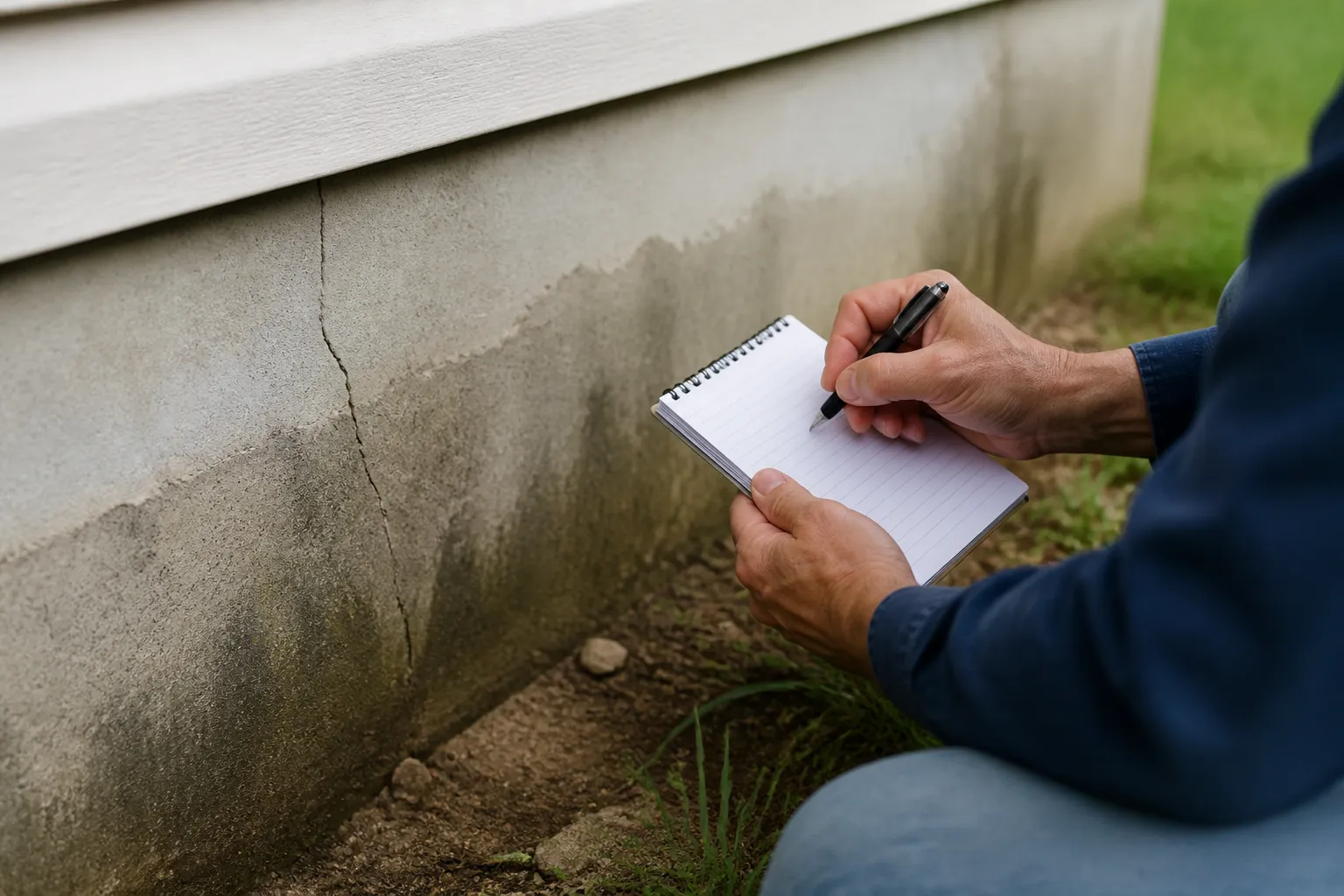
Is foundation repair going to cost a few thousand dollars or a small fortune? The honest answer is that it depends, and the way to get a straight answer is to know what the price is built from before anyone hands you an estimate. This guide walks through the typical national range, what moves the number, how an evaluation works, and what to ask. It is general information only, not personal medical, legal or financial advice, so check the details with a licensed professional in your state.

What foundation repair typically costs
Published pricing is national, and real bills shift with state rules, local labor rates and material costs. Bob Vila, citing Angi figures updated May 29, 2024, puts a typical job at $2,176 to $7,833, with a national average of $5,001. Treat that as a planning range, not a quote. Severe damage can land well above it, and a minor fix can land below it.
The sources I reviewed did not break costs out by state. So ask any local contractor how their price compares with regional norms. This Old House also has a 2026 pricing article, but its figures were not available to me, so read that page directly if you want its numbers.
What drives the price
Three things come up again and again: the type and severity of the damage, the repair method, and the foundation material. A small crack in a concrete slab is a very different job from a sagging wall on an older block or stone foundation that needs structural work. More damage and a more complicated fix generally mean a bigger bill.
Because method matters so much, put these questions to every contractor:
- Which specific repair approach do you plan to use?
- Why that one, and not another?
- What does the price include, and what would change it?
The sources mention common repair approaches but do not describe them or price them individually. Get that detail from the contractor or an independent evaluation rather than guessing which method is cheap.
How an evaluation works
Repair should start with an evaluation, not a sales pitch. The ASCE Texas Section publishes free guidelines for evaluating and repairing residential foundations (Version 3, effective April 1, 2022). They are guidelines, not standards, and they are written mainly to help engineers. They describe different levels of investigation, so a quick visual check and a deeper engineering assessment are not the same product.
Settling that causes cracking can lead to significant structural problems, so prompt evaluation is advised. When you get findings, ask:
- Was this done by a licensed professional engineer?
- What level of investigation was performed?
- What is the cause of the damage, and how severe is it?
Those answers let you compare one provider's report against another's on equal terms.
Warning signs to act on
The signs most often cited are persistent water or dampness, large horizontal cracks, crumbling concrete, and floors or walls that slope or sag. Any of them is reason for a professional look rather than a wait-and-see approach. Delay can turn a manageable repair into a larger one.
Spotting a sign does not tell you the cause or the severity. Only a proper evaluation does that, which is why your opening questions matter as much as the repair itself.
Paying for the work
Homeowners use several routes: homeowners insurance when a covered event caused the damage, personal loans, home equity loans or lines of credit, cash-out refinancing, 0 percent intro-rate credit cards, contractor financing, government loans or grants, and savings. Each has its own qualification rules, costs and risks. The sources did not cover claim processes, loan qualification or grant eligibility in depth, so a financial professional is the right person for those details.
Before committing, work through this short checklist:
- Check whether your policy covers the damage and whether a covered event caused it.
- If a contractor offers financing, get the interest rate, fees and total repayment amount in writing.
- If government help interests you, review the USDA program requirements directly.
How to choose a provider and what to ask
The National Foundation Repair Association (NFRA) is a national professional organization that promotes high ethical standards and offers certifications and a member directory. Membership is one marker of professional standards. It does not replace checking licensing in your state, and the sources did not explain how to verify credentials, so confirm them with the relevant state board or professional body.
Also ask whether the repair needs a permit, since the NFRA homeowners blog covers permits and whether to hire an engineer. Ask what the warranty covers too. Warranty terms were not covered in the sources, so get them in writing before you sign.
Red flags to watch for
Slow down if a provider:
- Pushes you to act before any evaluation.
- Will not explain the cause and severity of the damage.
- Cannot say whether a permit is needed.
- Insists there is only one correct fix without saying why.
That last one matters because the Texas guidelines rely on engineering judgment and do not mandate a single method. A second opinion is cheap insurance. Be wary, too, of any plan that depends on one financing option you have not compared with others.
Collect written estimates from more than one source. Compare the scope of work line by line, not just the total, so you can see what each estimate actually includes.
Sources
- https://vertexaisearch.cloud.google.com/grounding-api-redirect/AUZIYQEj-8WJD9qpJbE-Ixak7dle_8J3cJgm6sj_2QdxNsZJGkW7s-NZg-1yZURn8ES8PALrQmpa5USRLOzsr7g1TPtGg2Ph9w9piJ5enN0J00rX4z2PsflvmhNffOXY3MzBQ-6KpLlt7OZ2ZgQo_3m1EOhxpf-9QZbOWWOXDtsJr4-qKnqJXwrlvO_h1QcJ7fnC_g-bEAqEKhukz-548f_ao9pXPVl4wskxRzLllQN_2e0aaRxYC6t1LVA2GAdSNA-zViS14hH02Tux8p4gBASYwy8=
- Texas Residential Foundations Guidelines - ASCE Texas Section
- Understanding the Different Levels of Investigation: ASCE Texas Section Guidelines for Residential Foundations
- Home of The NFRA - National Foundation Repair Association
- https://vertexaisearch.cloud.google.com/grounding-api-redirect/AUZIYQHoX97jYNLeL3CoOfSi8fPrR12xAEmCEjhzIyJ_pA9Zh_W43aowo-6OwAveNfcDKkTNWhi2w-82yLl_fEvynecYz6MMAftgXhpVwNnn1YVhnG0Ru00IAEK7lbcZhF4F4JiORvBohpoa
- How Much Does Foundation Repair Cost? (2026 Pricing)
- Foundation Repair Cost: How Much Homeowners Typically Spend
- How to to Pay for Foundation Repair—And Even Reduce the Cost
Still have a question?
Related guides
-

Upgrading to 200 Amps Without the Surprise Bill
Panel costs are only part of the story, so here is what a 200 amp upgrade typically runs, what can get added on, and what to ask before you sign. By Neil Ostrander
-

Tank or Tankless? How to Compare Water Heater Bids on Equal Terms
Learn how tank and tankless units differ, and which details a written plumber's quote should spell out so three bids can be compared fairly.By Renata Okafor
-

Find the Water First: A Practical Guide to Deciding on Mold Testing and Cleanup
Before anyone runs a sample or quotes a job, the moisture source and the size of the visible patch settle most of the decision. By Gideon Aldaine