What Lead Paint Testing and Removal Really Cost, and How to Verify the Work
Lead inspection, risk assessment, abatement, and RRP are priced and certified differently, so sort out which service you need before comparing quotes.
 By Renata Okafor ·
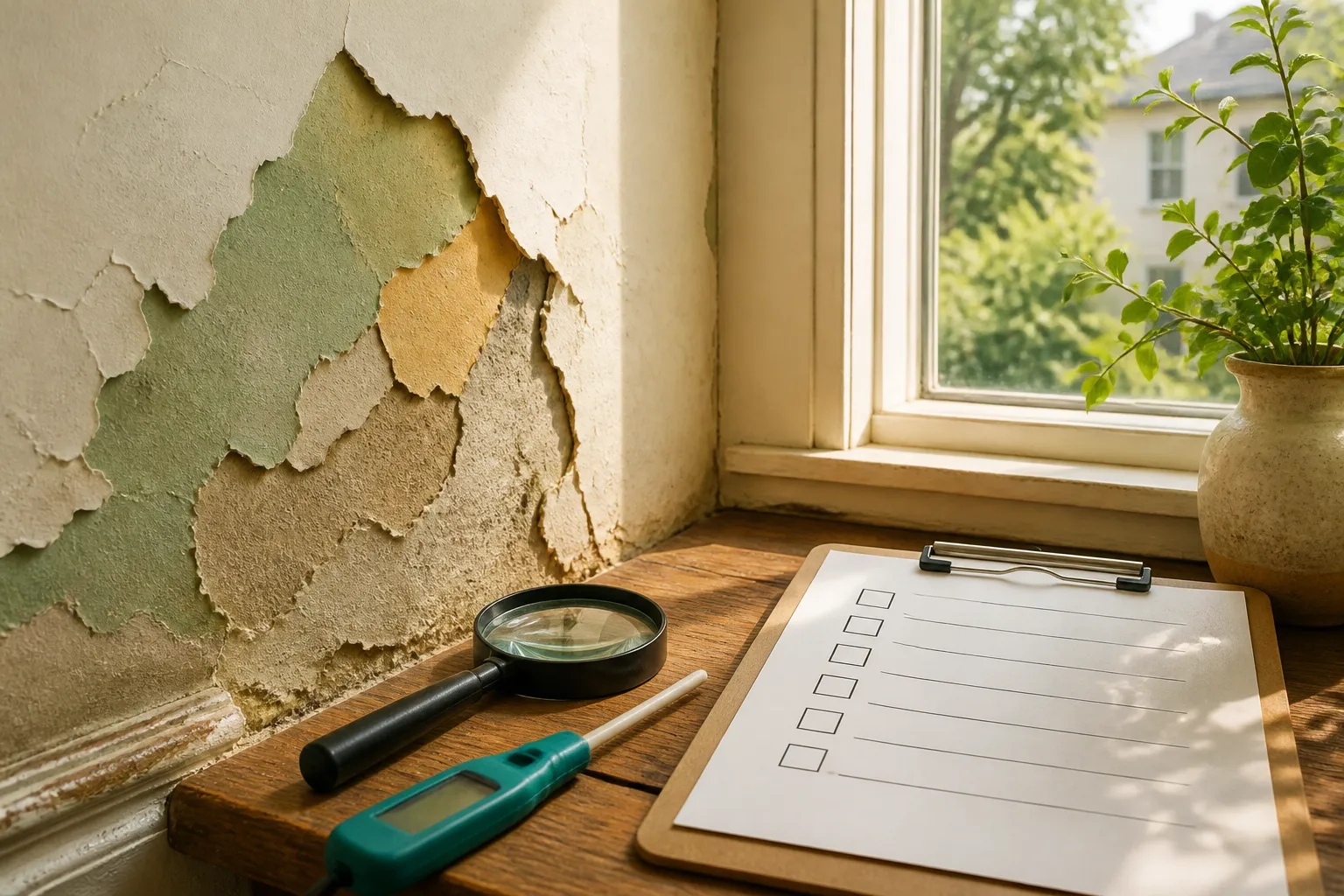
Are you trying to figure out what a lead paint test will cost, and whether the number on a quote even covers the work you need? Most people start with price. A better first step is to sort out which service you are buying, because lead paint work is split into three different jobs and each one is priced on its own. This guide walks through the costs, the certification checks, and the questions worth asking before you sign anything.
Know which service you actually need
Lead paint work is not one product. A lead inspection is a surface-by-surface check that finds where lead-based paint is located. A risk assessment is an on-site check for the presence, type, severity and location of lead hazards, and it suggests ways to manage them. According to the US Environmental Protection Agency (EPA), only certified inspectors or risk assessors may perform these. You can read the agency's plain-language explanation in its questions and answers for homeowners and renters.
Abatement is a separate, specialized activity designed to address existing lead-based paint hazards. A state or local government may order it, often after a lead-poisoned child has been identified, or an owner may choose it voluntarily. Renovation, repair and painting (RRP) work is different again. It is usually done for looks or other reasons, it is not designed to remove lead hazards, and it needs different certifications. The EPA lays out the split in Lead Abatement Versus Lead RRP.
Before you compare prices, work through this short checklist:
- Was your home built before 1978? Older homes are more likely to contain lead-based paint, since the federal government banned its sale for homes and childcare facilities in 1978.
- Do you need to know where the paint is (inspection), how dangerous it is (risk assessment), or to have hazards dealt with (abatement)?
- Are you buying? Federal law lets a purchaser test for lead-based paint or hazards, which matters most if young children are or will be in the home.
- Ask each provider to write down exactly which of these services the quote covers.
What inspections and assessments typically cost
A lead paint inspection in the US averages about $338, with a common range of roughly $239 to $437, according to one home-cost guide. Home size and regional labor rates move the number. These figures come from consumer cost guides, not government sources, so treat them as estimates and not quotes. Costs vary by state and by situation.
Exterior work can add to the bill. Soil testing around the outside of a home is often priced separately and can add about $25 to $200. If children play in the yard, or the exterior paint is peeling, ask whether soil testing is included. Deteriorating paint and dust, especially on doors and window sills, are a common source of exposure at home, so these questions are not idle.
Some providers bundle other tests, such as mold or asbestos checks, into one visit. Those carry their own costs. Ask for an itemized quote so you can see:
- The base inspection or assessment fee
- Any soil testing, and its price
- Any bundled extras and what each adds
What abatement and removal typically cost
Abatement is the bigger number. One contractor cost guide puts the average for lead paint abatement or removal at about $3,499, with a range of roughly $1,478 to $5,520. Some estimates put removal at about $6 to $17 per square foot. Those are general figures. They shift with your state, your region, and the condition of the property, so a written estimate for your actual house is more useful than any published average.
The sources reviewed do not break costs down by method, room or surface, so they cannot tell you why one job costs more than another. Ask each provider how the price is built. Is it by room, by surface area, or a flat fee for the whole job? Then compare like with like.
One caution matters here. Disturbing lead paint can create new hazards in homes built before 1978, because paint chips and dust spread. That is why abatement calls for trained, certified workers, and why price alone says little about whether the work will be done correctly.
Why certification matters more than the quote
Under EPA rules, individuals must be trained and certified to perform lead-based paint activities, and firms must be certified too. That covers inspection, risk assessment and abatement. A cheaper provider without that certification is not a lower-cost version of the same service.
Use this verification routine:
- Ask for the certification of the individual who will do the work, and of the firm.
- Confirm both directly with the regulator, not just through a company's marketing or a verbal promise. The EPA source on finding a certified inspector is cut off, so check your state or EPA regional office for the lookup method.
- Confirm the certification covers lead-based paint activities. RRP certification alone does not qualify a provider to do abatement.
Watch for three red flags: a provider who cannot show certification, RRP-only work sold as abatement, and advice to handle lead paint yourself. Lead should not be disturbed without the right training.
Federal funding and other cost questions
Federal money does exist. In October 2024, the US Department of Housing and Urban Development (HUD) announced more than $420 million in awards across 32 states, the District of Columbia and Puerto Rico. The money goes to state and local jurisdictions and to eligible owners or renters, not directly to every homeowner. One Iowa city, for example, received about $5 million to address lead and other hazards in 100 units for low- and very low-income families with children. Eligibility differs by program, so contact your state or local housing agency.
The sources do not explain payment plans, insurance coverage, or grant eligibility for individual households. Ask your provider what payment schedules exist, and check with your insurer. Clearance testing, timelines, and what happens after an inspection finds lead are also not covered, so ask any provider to explain those stages in writing before you sign.
This article is general information only, not personal medical, legal or financial advice. For decisions about your own home or health, consult a licensed professional.
Sources
- Questions and Answers for Homeowners and Renters about Understanding Lead Inspections, Risk Assessments and Abatements | US EPA
- Lead Abatement Versus Lead RRP | US EPA
- Reduce the Risk of Lead Exposure at Home | US EPA
- HUD Archives: HUD Announces More Than $420 Million to Eliminate Lead Exposure in Homes
- HUD Archives: Marshalltown benefits from over $5 million in federal funding to combat lead and other health hazards in older homes
- How Much Does It Cost to Test for Lead Paint? [2025 Data]
- Cost Drill-down of Lead Paint Abatement Projects | Raider Painting
- A Complete Guide On Lead Abatement Cost (2026 Update)
Still have a question?
Related guides
-

Upgrading to 200 Amps Without the Surprise Bill
Panel costs are only part of the story, so here is what a 200 amp upgrade typically runs, what can get added on, and what to ask before you sign. By Neil Ostrander
-

Tank or Tankless? How to Compare Water Heater Bids on Equal Terms
Learn how tank and tankless units differ, and which details a written plumber's quote should spell out so three bids can be compared fairly.By Renata Okafor
-

Find the Water First: A Practical Guide to Deciding on Mold Testing and Cleanup
Before anyone runs a sample or quotes a job, the moisture source and the size of the visible patch settle most of the decision. By Gideon Aldaine