What Repointing Costs and What Changes the Price
National estimates run from a few hundred dollars to about $2,500, and your wall, location, and mason shape where you land in that range.
 By Renata Okafor ·
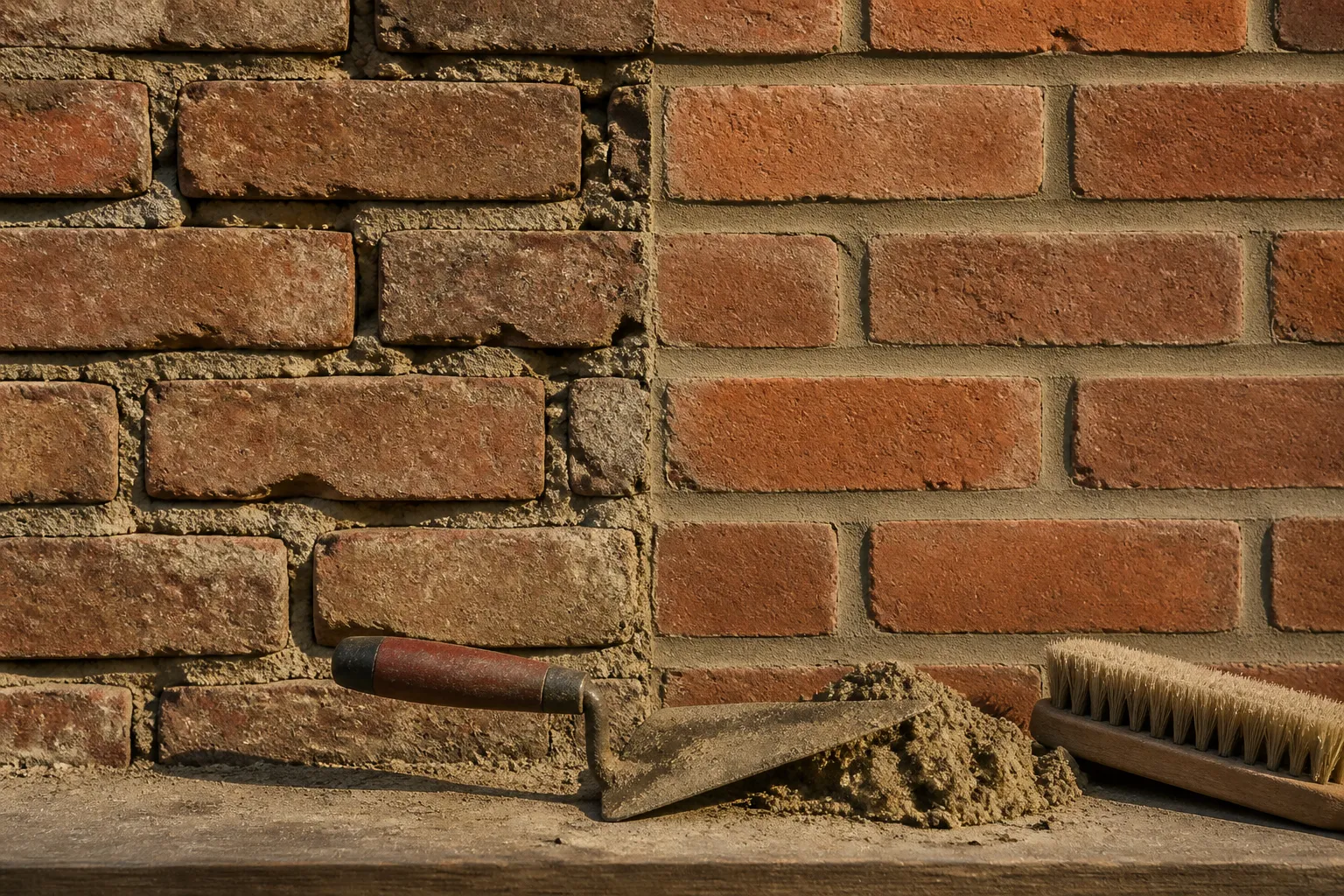
Are those crumbling lines between your bricks a small chore or a real expense? Most homeowners ask that first, and the honest answer is that national figures run from a few hundred dollars to about $2,500 for a typical job, with your state, your wall, and your mason all moving the number. This guide walks through what repointing is, what it costs, what changes the price, and what to ask before you sign. It is general information only, not personal financial or construction advice, so check details with a licensed masonry professional.
What repointing is and when it is needed
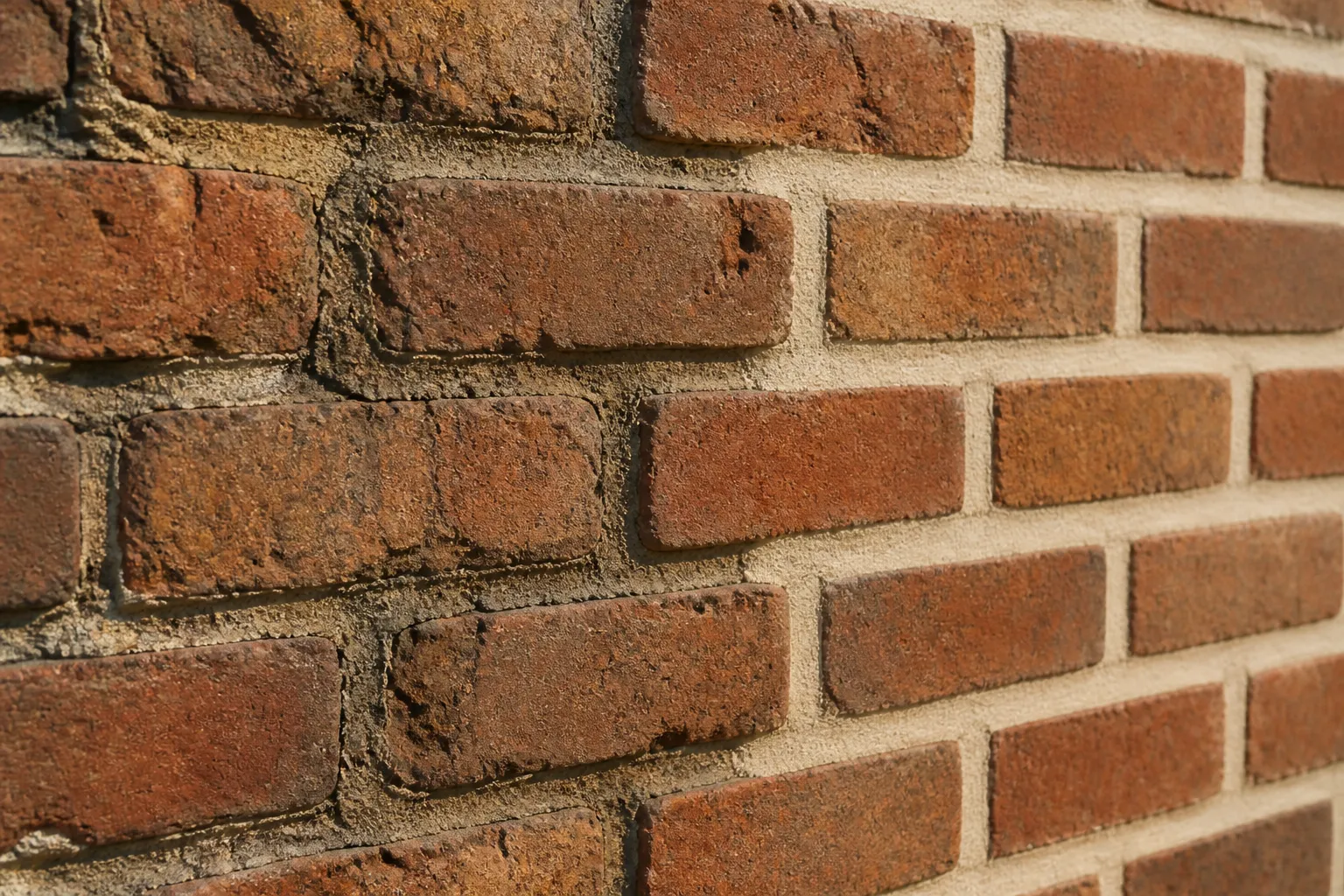
Repointing, also called tuckpointing, means removing deteriorated mortar from between the bricks and replacing it with new mortar. Done well, it renews the joints and can extend the life of the wall. Bob Vila describes it as a labor-intensive repair, which is a big part of why the price is what it is.
Here is a quick checklist of signs that a job may be due:
- Cracks or gaps in the mortar
- Persistent dampness on or inside the wall
- Mortar that flakes or peels
- Color changes on the bricks
Any one of these is worth a professional look. Solid joints help block water from getting into the wall, so many homeowners treat repointing as preventive maintenance rather than a cosmetic fix.
What repointing typically costs
HomeAdvisor reports a normal range of $400 to $2,500 for professional repointing, based on a 100-square-foot section. It also cites a general cost of about $3 to $15 per square foot and an average homeowner spend near $1,450. Bob Vila puts repairing and replacing mortar joints at $500 to $2,500, with tuckpointing averaging about $1,500.
Those two averages sit close together, but both are national numbers. State rules, local labor rates, and the cost of living where you are all shift what a mason charges. The sources reviewed give no state-by-state breakdown, so treat the ranges as a starting point and collect local quotes. You can read the original figures at HomeAdvisor and Bob Vila.
What drives the final price
Several things decide where you land in that range. Work through them before you call anyone:
- Surface size. A larger wall takes more labor and more mortar.
- Labor rates and location. The same wall costs different amounts in different markets.
- Mortar type. The mortar the mason chooses affects the price, and different mortars behave differently with existing brick.
- Additional damage. Hidden problems can add scope once the old mortar comes out.
- Access. Upper stories and tight spots take more time.
- Historic requirements. These can mean more careful work and more paperwork.
If the last two apply to your building, budget extra. The sources do not spell out permit rules or what historic-district requirements cost, so ask your local office or mason.
How the work is done and why experience matters
The process sounds simple. The mason removes the deteriorating mortar, then packs in new mortar. The skill is in choosing mortar that suits the brick and applying it so it bonds well with the existing brick and joints. A weak bond can fail early, which is why experience with materials and application matters more than the lowest bid.
HomeAdvisor advises hiring a local masonry repair professional. A local mason is more likely to know regional brick types, climate effects, and any rules that apply to your job. Most homeowners skip the do-it-yourself route for the same reason: the work is slow, and mistakes are expensive to undo.
Questions to ask before you agree to a price
Bring this list to every estimate so the bids are easy to compare:
- Which mortar type do you recommend for my brick, and why?
- How will the job be priced by surface size, and what would raise the price, such as hard-to-reach areas or historic requirements?
- Is any damage beyond the mortar joints likely, and how would you price it?
A clear, reasoned answer on mortar suggests the mason has looked at your actual wall instead of applying one routine to every house. A price explained by square footage and listed add-ons is far easier to compare than a single lump sum.
Red flags and next steps
Be cautious if a bidder will not explain the mortar choice, quotes a price without seeing the wall, or cannot say how extra damage would be handled. A bid far below the others deserves a question about how the work will be done, since bond quality drives how long the repair lasts.
The sources reviewed do not cover timelines, weather limits, warranties, or how to verify credentials and insurance, so ask about those directly and get the scope in writing. Gather two or three local quotes, compare them line by line, and consider confirming your plan with a licensed professional before work starts.
Sources
- https://vertexaisearch.cloud.google.com/grounding-api-redirect/AUZIYQFh1OWHfIYF71UszEdlBS2gaz6RXHgqEiHE7VjKo89vja8JQJ6onOZINJwQO2sIqR7XA0G1fDA4z4mIFTwM_ZYst7akvN5dPKcwaNicdCQtUh2y8casQrCRhMPXmtMM-79HRewyOGyJGoKzR-CmQFoQCoHi9gVnI6krYTmW7bAi
- What to Know About Repointing Brick - This Old House
- Repointing | International Masonry Institute
- https://vertexaisearch.cloud.google.com/grounding-api-redirect/AUZIYQEB-YSQJmqgASgFHHGscNwCA7hmAr2HUrrQC-ZA9v7pDC5qNnuTBrJU3jVK_mOIfIZYtPSxV-3YqlQA2FBNn5FMKb1_EURYL_Fa_9MkbaP8xEDK8FDr4BXD_dGUujzfkRBKOXolezNcQAgWhiujVxXfUEeMPgA6aO4xivuEyxNMQTVEU99nZg==
- https://vertexaisearch.cloud.google.com/grounding-api-redirect/AUZIYQEnbjSSfIkgD1_tfNt7Tt6mSOKKiHqRiXREhhFBwQlvtiP71l0WFLopW7OPpfruX33tmhKQjdRY_RwUOJv7n7sPnrrS4GKKA8T6DK56axaU7pteIUJRXYahPYXoj4dxrBt7lVQzivs6PRvcjA==
- How Much Does Repointing Brick Cost [2025 Data]
- How Much Does Tuckpointing Cost?
Still have a question?
Related guides
-

Upgrading to 200 Amps Without the Surprise Bill
Panel costs are only part of the story, so here is what a 200 amp upgrade typically runs, what can get added on, and what to ask before you sign. By Neil Ostrander
-

Tank or Tankless? How to Compare Water Heater Bids on Equal Terms
Learn how tank and tankless units differ, and which details a written plumber's quote should spell out so three bids can be compared fairly.By Renata Okafor
-

Find the Water First: A Practical Guide to Deciding on Mold Testing and Cleanup
Before anyone runs a sample or quotes a job, the moisture source and the size of the visible patch settle most of the decision. By Gideon Aldaine