What Soundproofing One Room Really Costs, and How to Price It Fairly
Published US averages run roughly $1,000 to $2,700 for a single room, but the right figure depends on the noise you're fighting, the room's condition, and who does the work.
 By Neil Ostrander ·
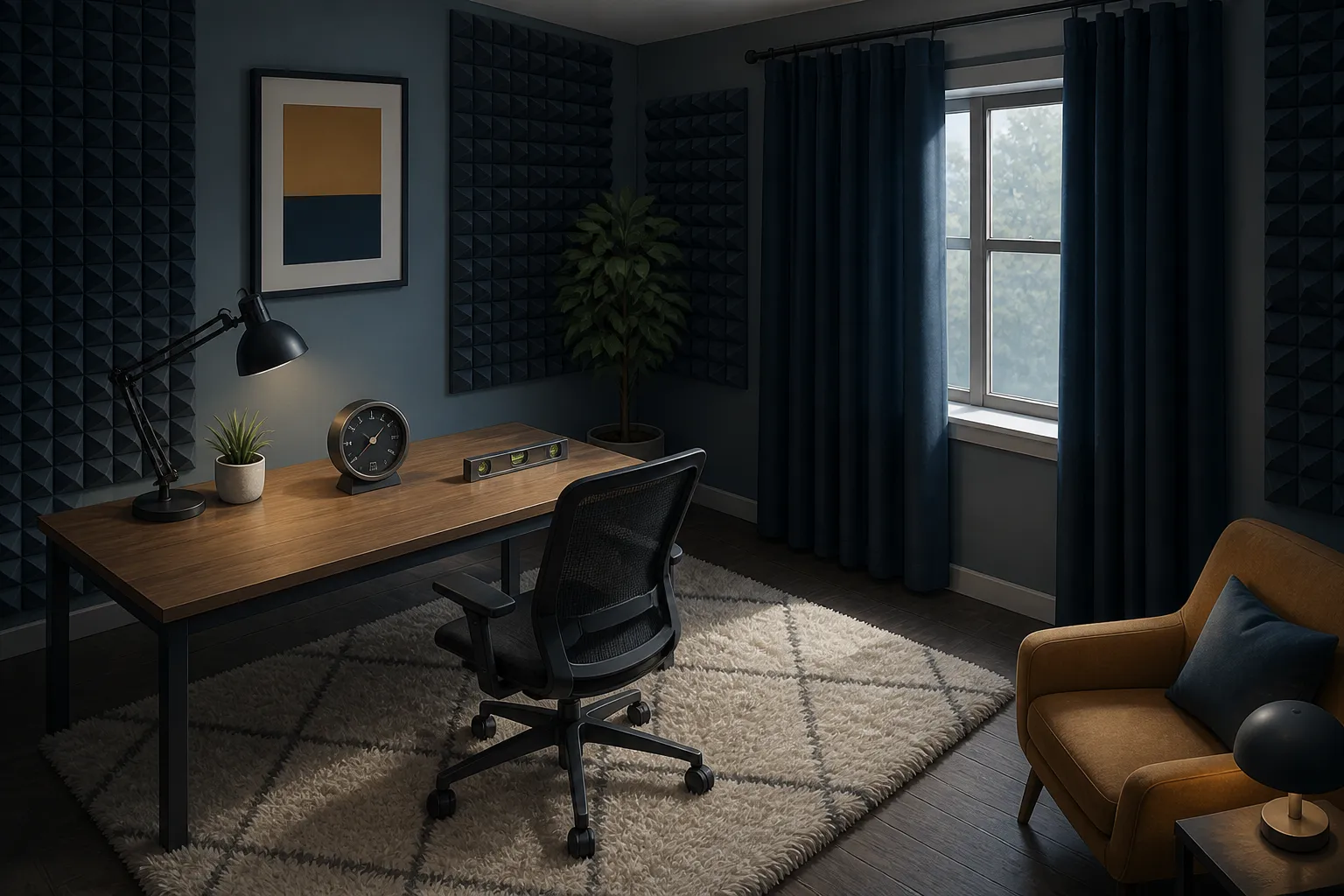
Are you trying to quiet a bedroom, a home office, or a noisy media room, and wondering what a fair price looks like? Most published US estimates for soundproofing a single room land between roughly $1,000 and $2,700. Your own number depends on the noise, the room, and who does the work. This guide walks through the costs, the choices, and the questions to ask. It is general information only, not personal advice, so check details with a licensed contractor or acoustics professional.
What a typical room costs
Start with the national averages. HomeAdvisor lists a normal range of $1,036 to $2,743, with an average of $1,881. Bob Vila gives $1,036 to $2,721 and a national average of $1,874. Those are US figures, and prices shift by state and metro area, so treat them as a starting line and not a quote.
Size matters a lot. One product seller's guide puts small rooms (100 to 200 sq ft) at $1,000 to $2,500, medium rooms (200 to 400 sq ft) at $2,500 to $5,500, and large spaces (400+ sq ft) at $6,000 to $12,000 or more. That seller has a commercial interest in the products it describes, so use those numbers as a rough guide only.
A worked example helps show how line items stack up. HowMuch.net estimates about $1,600 for a 10x12 room, with labor folded into its material figures. Its itemized version looks like this:
- Acrylic for three windows at $275 each, or $825.
- One roll of acoustic mat at $430 to $745.
- Acoustic tiles at $1.66 per sq ft across 120 sq ft, or $199.20.
That adds up to about $1,454 to $1,769 before taxes. Home theaters and dedicated media rooms can run well past all of this. HomeAdvisor says those projects can reach about $10,000.
What drives the price
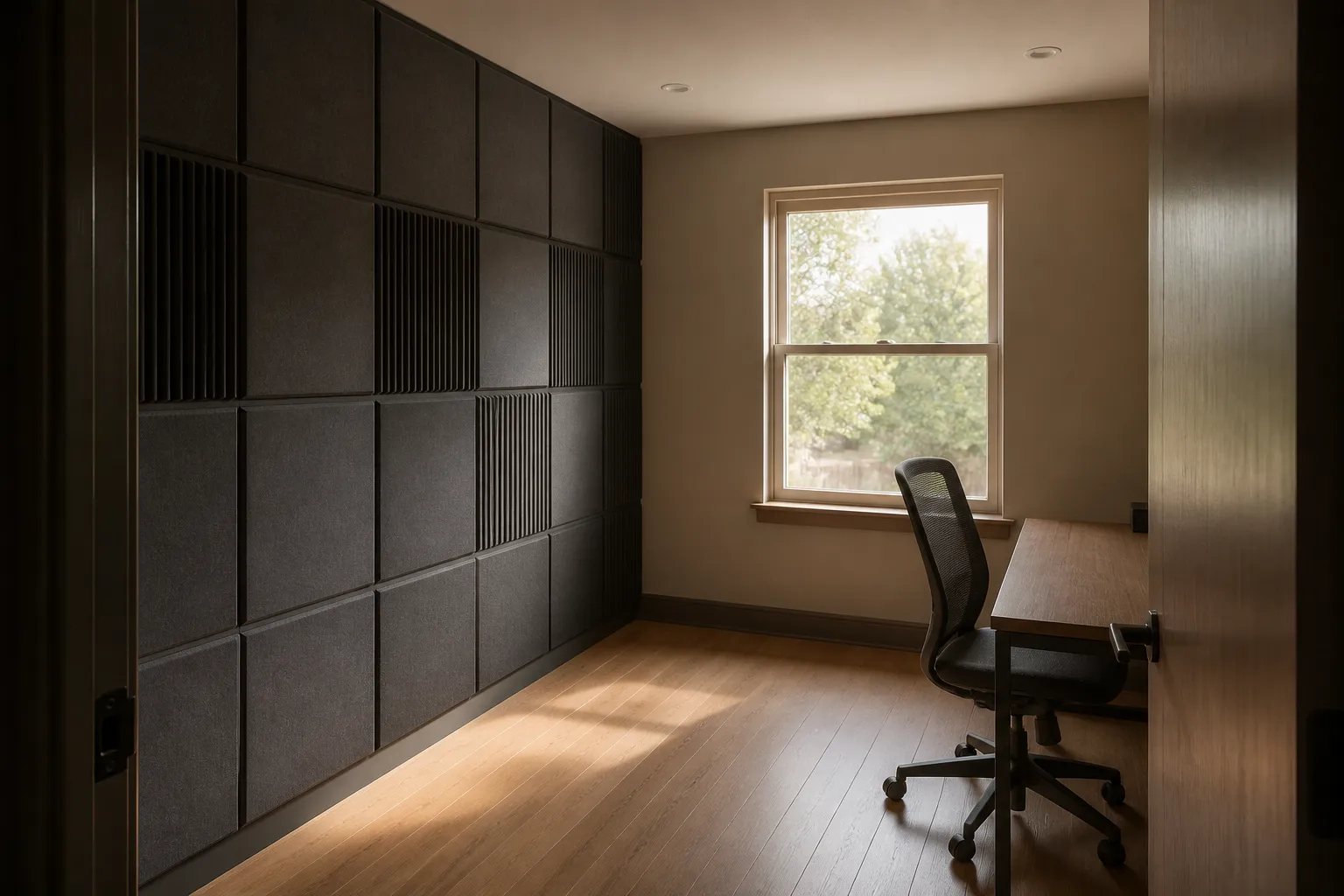
First, name the noise. Airborne noise, such as voices and TV, usually calls for wall insulation, acoustic drywall, and a sealed door. Impact or structure-borne noise, such as footsteps, needs ceiling or floor treatment. If you treat only one type, the other problem can stay right where it was, and you may pay twice.
Next, look at the room itself. New construction is simpler. An existing room often means removing drywall, trim, or flooring before anything goes in, and those steps add cost on top of materials. Structural changes add more.
Material choices move the budget too. Mass loaded vinyl is described as a mid-tier option that performs better than foam but costs more. Resilient channels inside walls and floating floors can help with vibration, though they add labor and material expense.
- Labor: it can push prices up, especially for ceiling and structural work.
- Skill: specialty windows and slab work need skilled installation to perform as intended.
- Timing: season and local labor rates can shift a quote.
- Extras: permits, removal of old materials, and taxes should be separate lines in your budget.
How to decide between DIY and hiring help
The sources draw a fairly clear line. Work that involves drywall removal or insulation is generally better left to a professional. Simpler tasks, such as hanging acoustic panels, applying damping compound, or fitting door seal kits, are often manageable for a homeowner.
The tradeoff is easy to see. Doing it yourself cuts labor, which can be a big share of a small-room budget. But a gap in a seal or a sloppy install can cut the benefit and force a redo. Be honest about your skills and how much rework you can tolerate.
There is a middle path. Phased installation spreads cost over time, which can help in a small room. The sources do not say which phase gives the best acoustic return, so ask a contractor or acoustics professional which step to do first.
Questions to ask before you agree to a quote
Bring a short checklist to every estimate. Missing items are a common reason a final bill beats the first number.
- Does the quote include permits, removal of existing materials, and any structural changes?
- Is labor included, and are taxes included?
- Is this a firm price or an estimate?
- Which surfaces will be treated, and does the plan cover both airborne and impact noise?
- How much experience does the contractor have with these exact materials and surfaces?
The sources reviewed do not explain how to verify a license or insurance. Check licensing through your state or local licensing authority, and ask your insurer what coverage you should see proof of. Get everything in writing.
Red flags and how to compare estimates
Be wary of a bid far below the ranges above with no explanation. Averages are only averages, but a very low number may leave out removal, permits, or decent materials. Ask what is excluded before you celebrate the savings.
Be careful with cost guides written by sellers. Their figures may favor their own products and bundles. Compare several independent sources, and expect them to disagree a little. The two averages cited here differ by only a few dollars, but other guides will not line up so neatly.
Know what public information is missing. The sources give no state-by-state breakdown, no detailed permit fees, no hourly labor rates, and no clean way to compare dollars across different methods. That is the reason to collect two or three itemized local quotes. Line them up side by side, and ask about every line that differs. A licensed professional can help you judge which plan fits your noise problem and your budget.
Sources
- How Much Does It Cost to Soundproof a Room in 2025?
- How Much Does It Cost to Soundproof a Room? (Budget Guide)
- Soundproof Room Costs | HowMuch.net
- How Much Does Soundproofing Cost? Smart Ways to Save
- A Guide to Soundproofing a Room from Floor to Ceiling - This Old House
- Soundproof Solutions and Sound-Deadening Ideas for Your Home - This Old House
- HUD Noise Requirements - Stewart Acoustical Consultants
Still have a question?
Related guides
-

Upgrading to 200 Amps Without the Surprise Bill
Panel costs are only part of the story, so here is what a 200 amp upgrade typically runs, what can get added on, and what to ask before you sign.By Neil Ostrander
-

Tank or Tankless? How to Compare Water Heater Bids on Equal Terms
Learn how tank and tankless units differ, and which details a written plumber's quote should spell out so three bids can be compared fairly. By Renata Okafor
-

Find the Water First: A Practical Guide to Deciding on Mold Testing and Cleanup
Before anyone runs a sample or quotes a job, the moisture source and the size of the visible patch settle most of the decision. By Gideon Aldaine