What to Do When Contractor Work Goes Wrong
A step-by-step guide to putting your complaint in writing, choosing the right channel, and knowing when to bring in a licensed attorney.
 By Renata Okafor ·
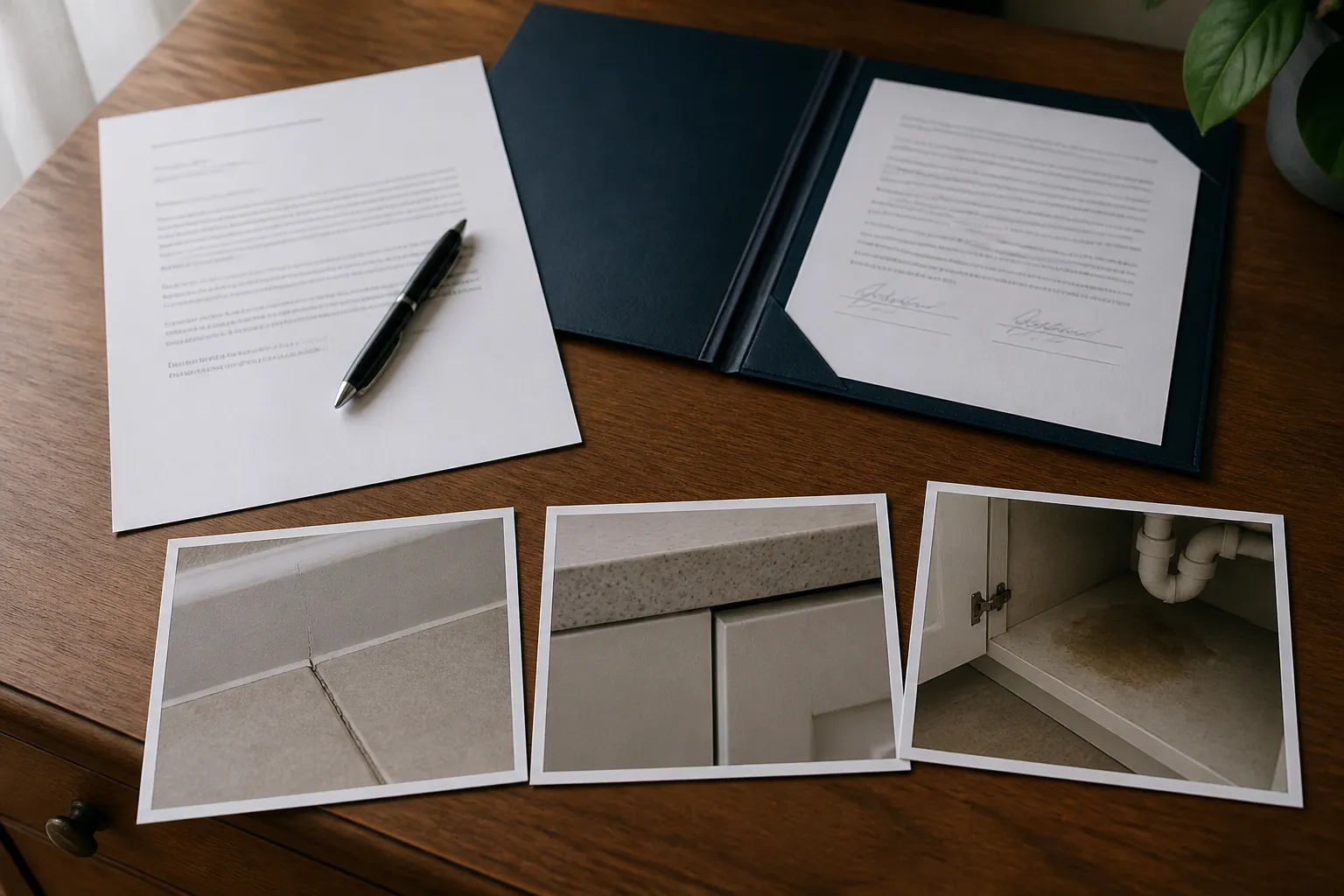
You paid for a finished job, and what you got has crooked tile, a leak under the new sink, or a deck that already feels loose. What do you do first, and who do you call? This guide walks through it in order, with checklists you can print and tick off. It is general information, not legal or financial advice, so a licensed attorney or your state's consumer office is the right place to check anything specific to your case.
A complaint is only as strong as the paper behind it. Write down what is wrong, what you want done, and keep a copy.
Start with a written notice to the contractor
Before you file anything anywhere, tell the contractor in writing what is wrong and what you want them to do about it. This matters more than people expect. California's Contractors State License Board (CSLB), for example, asks on its complaint process whether you formally notified the contractor of your concerns. A phone call or a text in passing does not give you the same record.
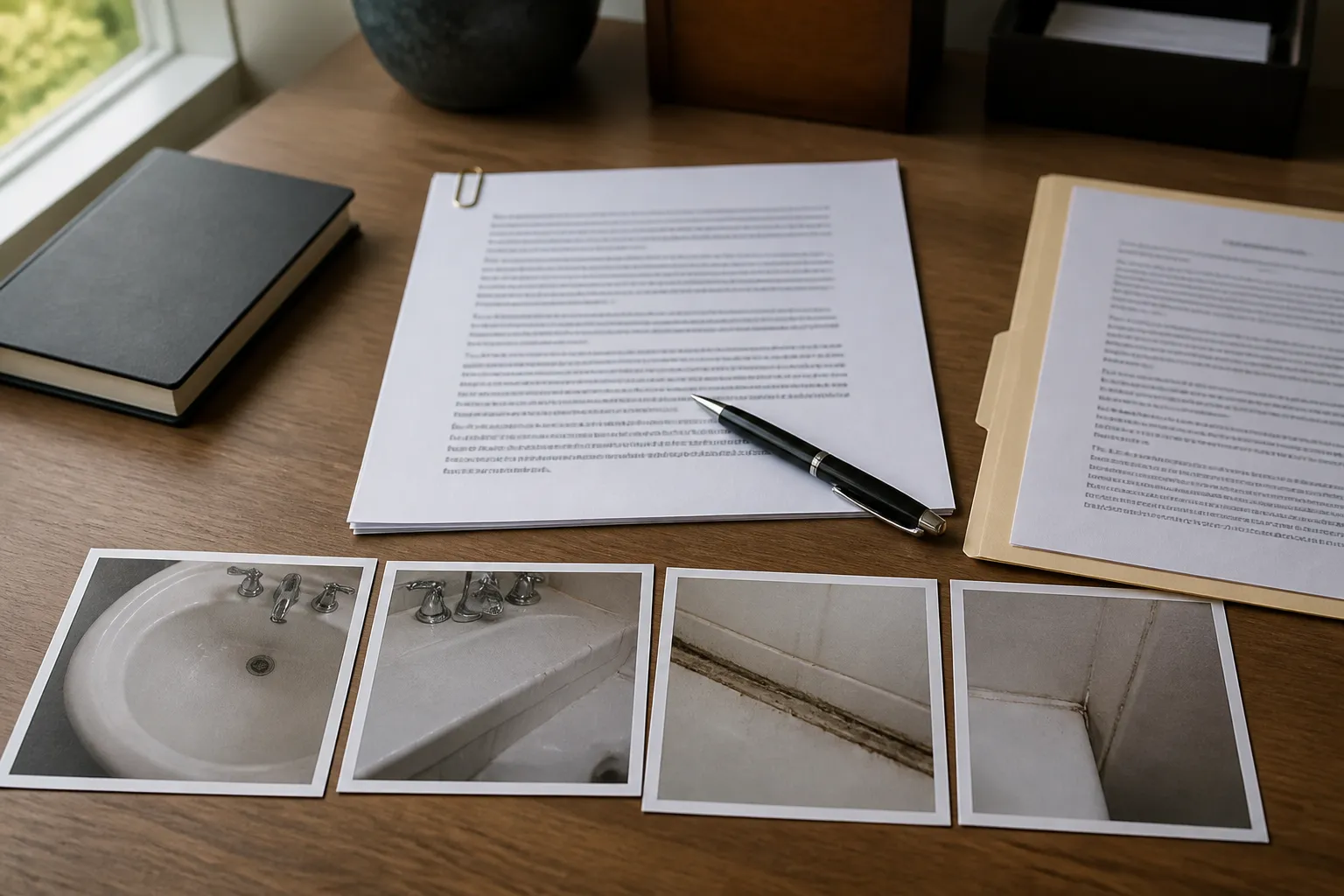
Your letter does not need legal language. Keep it short and factual, and gather these items in one folder:
- A copy of the letter and any replies you receive.
- Dated photos of the problem areas.
- The signed contract and any change orders.
- Invoices and proof of payment.
CSLB offers a sample notice letter in English and Spanish. Even if you live elsewhere, it is a useful model. Adapt it, send it in a way that gives you proof of delivery, and save it to submit with any complaint later.
Choose the right complaint channel
Different channels do different jobs, and picking the wrong one wastes weeks. A licensing regulator looks at whether the contractor broke licensing law. A consumer complaint service asks the business to respond. A state consumer protection office takes complaints about business practices and scams.
In California, CSLB investigates violations of the Contractors License Law by both licensed and unlicensed contractors, and it can look back up to four years from the date of the act. Its main purpose is protecting the public. Its investigations do not obtain restitution, and nothing guarantees you will get money back.
The Better Business Bureau (BBB) works differently. It forwards your complaint to the business within two business days and asks for a response within 14 days. Complaints are generally closed in about 30 days, with a status such as Resolved, Answered, Unresolved, Unanswered, or Unpursuable. Cooperation from businesses that are not BBB accredited is voluntary, so a silent contractor is possible.
Outside California, USAGov points people to their state consumer protection office for business complaints and scams. Look up your own state's office and its contractor licensing board, since each has its own process.
Decide whether you want a regulatory action or money back
Ask yourself what you need most. If you want the contractor held accountable under licensing rules, a regulatory complaint fits. If you need your money back, or the cost of hiring someone to fix the work, a regulator cannot promise that.
For money, the usual next step is court. CSLB's guidance describes small claims for limited damages and recommends consulting an attorney when the amount is larger. A court judgment can also carry weight beyond the case. CSLB can suspend the license of a contractor who fails to satisfy a final judgment substantially related to construction, with sufficient proof.
Filing fees and attorney costs vary widely by state and by the size of the claim. The sources here do not give figures, so check your state court's website and ask a local attorney or legal aid office for current numbers. Many offer a short first consultation.
Know the gaps and the questions to ask
Official complaint pages tell you how to report a problem. They say little about how to fix defective work. Repair options, re-inspection, warranties, contract terms, lien rights, and most deadlines beyond CSLB's four-year window depend on your contract and your state's rules. Read your contract closely and ask a professional before you stop paying or hire someone else to finish.
Run through this checklist before you act:
- Have I notified the contractor in writing?
- Is my main goal regulatory action or financial recovery?
- Does my claim look like limited damages for small claims, or does it need an attorney?
- If I use BBB, is the business accredited, and has it responded?
Red flags to watch for
Unlicensed work is within CSLB's enforcement scope and can be reported, so check the license before you hire and again when trouble starts. Also notice silence. A business that ignores a complaint may end up closed as Unanswered or Unresolved, and that outcome tells you the complaint channel alone will not solve the problem. At that point, the court route and a conversation with a licensed attorney are worth a serious look.
Sources
Still have a question?
Related guides
-

Upgrading to 200 Amps Without the Surprise Bill
Panel costs are only part of the story, so here is what a 200 amp upgrade typically runs, what can get added on, and what to ask before you sign. By Neil Ostrander
-

Tank or Tankless? How to Compare Water Heater Bids on Equal Terms
Learn how tank and tankless units differ, and which details a written plumber's quote should spell out so three bids can be compared fairly.By Renata Okafor
-

Find the Water First: A Practical Guide to Deciding on Mold Testing and Cleanup
Before anyone runs a sample or quotes a job, the moisture source and the size of the visible patch settle most of the decision. By Gideon Aldaine