When a Contractor Says Cash Only: How to Pause, Verify, and Protect Your Money
Cash-only requests, upfront deposits, and pressure to decide fast are common warning signs in home improvement fraud, and a few written checks before you pay can keep a bad job from becoming a costly loss.
 By Gideon Aldaine ·
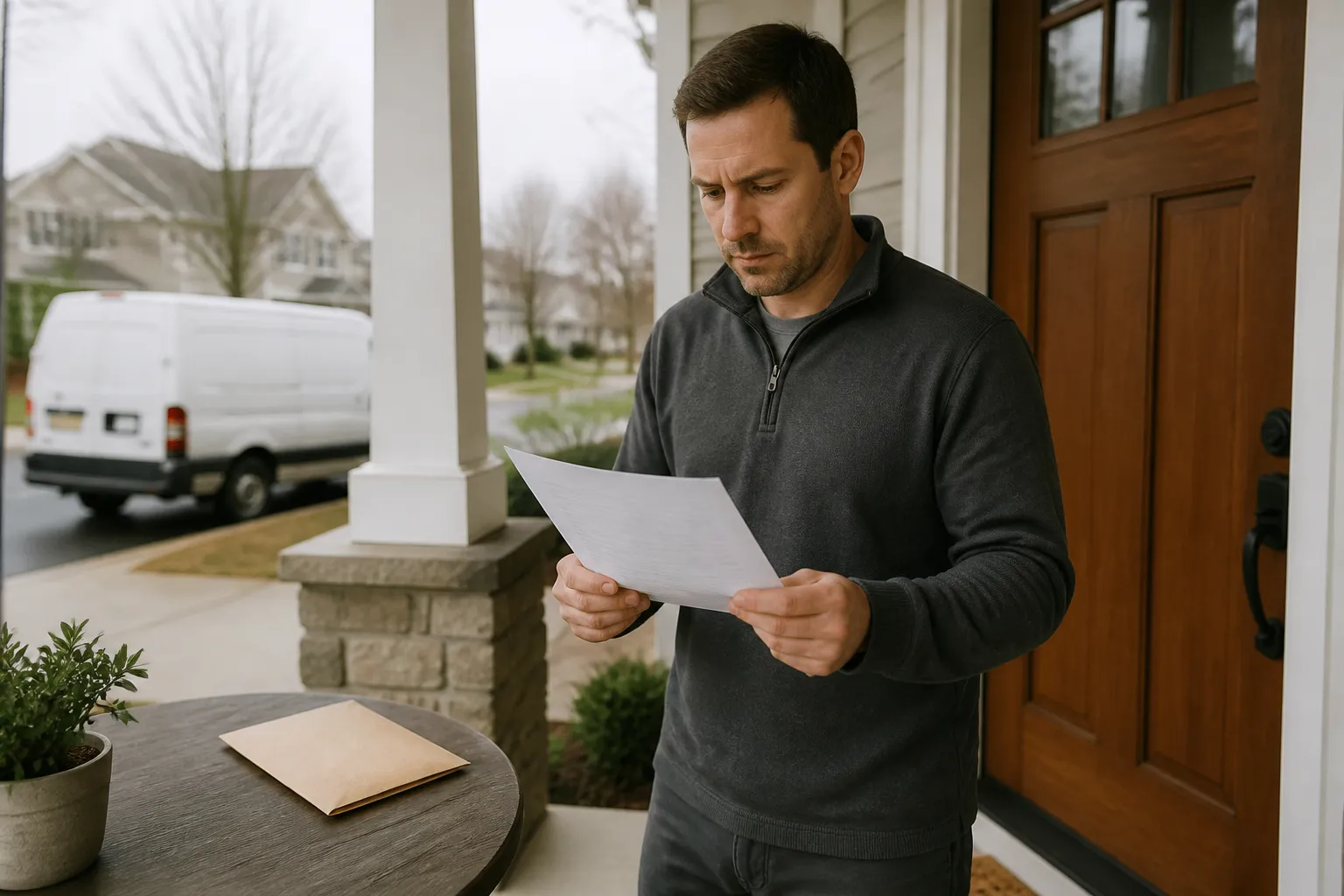
What do you do when a contractor says, "We only take cash"? You pause. That one sentence has launched more regretted renovations than any bad paint color, and a calm, orderly response will protect you better than a quick yes or an angry no. This guide walks through why the request matters, how the scam usually unfolds, and what to check before a dollar changes hands. It is general information only, not legal or financial advice, so a licensed attorney or your state consumer protection office is the right place for questions about your own situation.

Why cash-only requests are a warning sign
Cash-only and cash-first requests show up again and again in home improvement fraud. Reports in the Better Business Bureau's Scam Tracker describe contractors who ask for cash or checks, then vanish or leave sloppy, unfinished work. One account involved a $4,000 driveway job with payment requested by check or cash. Another involved a contractor who asked for cash to buy materials and then never scheduled the job or showed up.
The core problem is the paper trail. Cash leaves very little of one, which makes it harder to prove what you agreed to and harder to get money back. A check or card payment creates a record you can point to if you later need to dispute the work or file a complaint. The sources I reviewed do not say how much legal protection cash gives you compared with other methods, so ask your state's consumer protection office or an attorney rather than assuming.
A request for cash to buy materials deserves extra attention. Established contractors typically buy supplies through their own accounts and bill in a way that can be documented. If someone wants you to fund the lumber with an envelope of bills, ask why, and ask for it in writing.
How these scams usually start
Many begin with an approach you did not ask for. Think of a knock on the door, a flyer in the mailbox, or an online ad. The offer usually comes with a low price or a short timeframe, which is meant to push you to act before you compare options.
Some scammers say they are working nearby and have leftover supplies they can use at your house. It sounds like a bargain, and that is the point. A real contractor with spare materials still should not require cash or an immediate deposit.
Storms and floods raise the risk. When many homeowners need repairs at once, scammers move in. The FTC has also warned that after a natural disaster, some people try to persuade homeowners to sign over their insurance payments. Be careful with any document that would give someone else a right to your claim money.
How the scam unfolds once work begins
Some contractors start the job and then announce "issues" that were not in the original agreement. The new problems come with a much higher price. If you object, they threaten to walk away and leave you with a half-finished project, which is a hard spot when it is your kitchen or roof.
Others take an upfront deposit and never return. In one reported case, a homeowner was promised a refund after work stalled, and the contractor never showed up to deliver it. A spoken promise is not a refund plan.
Another pattern involves a bounced payment. In one account, a contractor came back to collect a second check after the bank rejected the first. Treat any request to replace a rejected payment, especially in cash, as a serious warning sign.
How to protect yourself before you pay
Start with a short set of questions, and write down the answers:
- Is the contractor asking for an upfront deposit or for cash to buy materials?
- Is the business real and reachable by phone and street address, and will it still be reachable if the job goes wrong?
- Will the scope, total price, and payment schedule be in a written contract?
Scam operators often use phone numbers that get disconnected and temporary business names, so verify contact details before any money moves. Then collect at least two or three written estimates from established local businesses. Be cautious about a quote far below the rest, and about anyone who pressures you to decide on the spot. High-pressure sales tactics and upfront fees are both flagged by consumer advocates.
Costs for home improvement work vary widely by project, by state, and by season, and the sources here do not give typical US price ranges. Use your local written estimates as the yardstick instead of one unfamiliar number. Licensing rules also differ by state, so check with your state's licensing board about what applies to your job. Keep every record: the contract, receipts, messages, and photos of the work as it progresses.
What to do if you think you are being scammed
If you have not paid yet, stop. Do not hand over cash. Ask for the request in writing and check the business's details independently before going further.
If you have already paid and the work is incomplete or the contractor has gone quiet, gather what you have:
- Dates, names, and phone numbers.
- Photos of the work as it stands.
- Receipts, texts, and emails.
Then report the problem to your state attorney general's consumer protection office and to the Better Business Bureau. The FTC publishes advice on avoiding home improvement scams and says to make sure you are on a federal government site before sharing sensitive information. The BBB also has a home improvement scam alert describing the patterns above. Recovering money can be difficult, so the strongest protection is verifying the contractor and the payment method before you agree to the job. For anything involving a dispute or a large loss, a licensed attorney can advise you on your options.
Please seek a professional. This article is general information, not financial, tax or insurance advice. Please seek a licensed financial, tax or insurance professional about your own situation.
Sources
Still have a question?
Related guides
-

Upgrading to 200 Amps Without the Surprise Bill
Panel costs are only part of the story, so here is what a 200 amp upgrade typically runs, what can get added on, and what to ask before you sign. By Neil Ostrander
-

Tank or Tankless? How to Compare Water Heater Bids on Equal Terms
Learn how tank and tankless units differ, and which details a written plumber's quote should spell out so three bids can be compared fairly. By Renata Okafor
-

Find the Water First: A Practical Guide to Deciding on Mold Testing and Cleanup
Before anyone runs a sample or quotes a job, the moisture source and the size of the visible patch settle most of the decision.By Gideon Aldaine